In this article
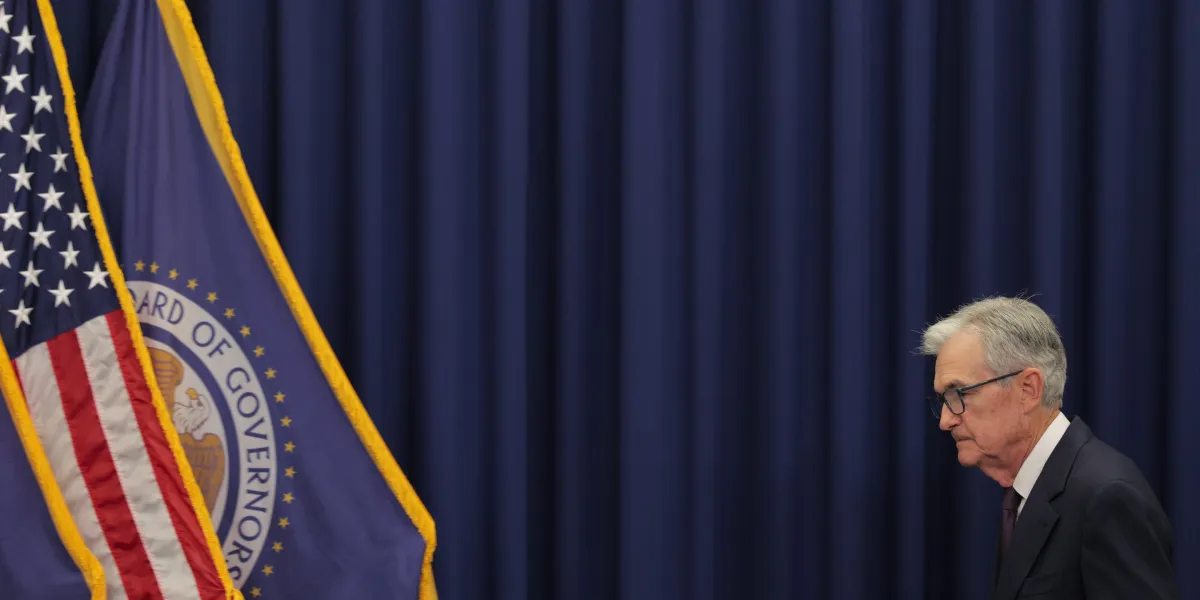
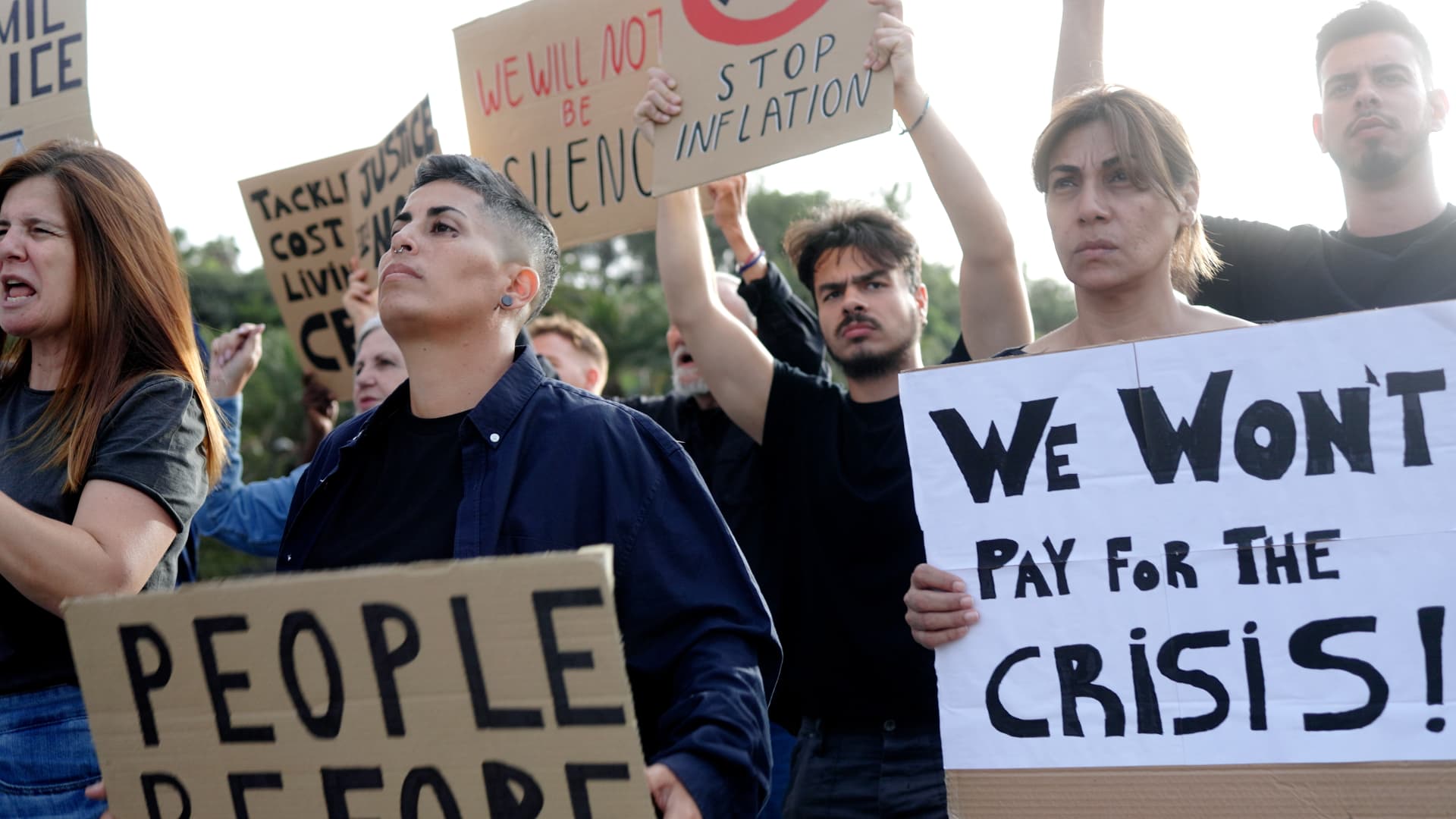
Federal Reserve Chair Jerome Powell last week pushed back when asked whether stagflation posed a threat to the U.S. economy. His successor may face a tougher challenge, as Wall Street forecasters raise their expectations of recession, brought on in part by the Iran war and potential for higher prices.
In recent days, economists have pulled up their risk assessments of a U.S. contraction amid heightened uncertainty over geopolitical risk and a labor market that for the past year has shown strains over the past year.
Moody’s Analytics’ model has raised its recession outlook for the next 12 months to 48.6%. Goldman Sachs boosted its estimate to 30%. Wilmington Trust has the odds at 45%, while EY Parthenon has it at 40%, with the caveat that “those odds could rapidly rise in the event of a more prolonged or severe Middle East conflict.”
In normal times, the risk for a recession in any given 12-months span is around 20%. So while the current predictions are hardly certainties, they signify elevated risk.