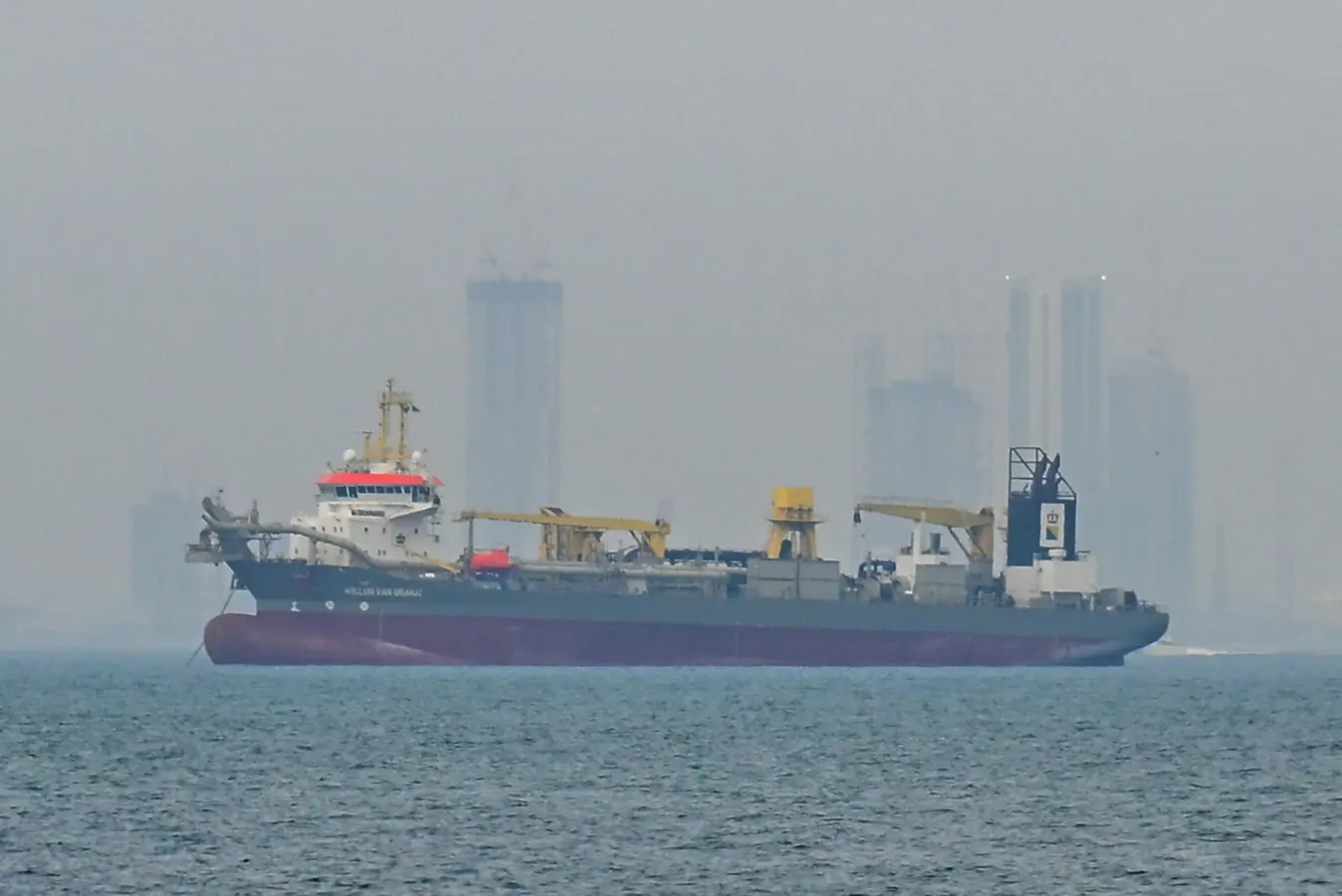
ToplineHeadline inflation in the U.S. may hit 4.2% in 2026 as a result of the spike in global energy prices triggered by the ongoing U.S.-Israel war with Iran, the Organization for Economic Cooperation and Development warned on Thursday.A commercial ship is viewed anchored off the coast of the United Arab Emirates, in the Strait of Hormuz.Anadolu via Getty ImagesKey FactsThe OECD, an intergovernmental organization that includes 38 of the world’s top economies, released its interim economic outlook report, saying the war “will test the resilience of the global economy.”The report said while projected global GDP growth for 2026 remains unchanged at 2.9%, the spike in energy prices triggered by the closure of the Strait of Hormuz is “adding to inflationary pressures.”The OECD forecast showed U.S. headline inflation could hit 4.2% in 2026, while the G20 group of advanced economies could see the marker hit 4%.This is a significant upward revision from the agency’s previous economic outlook report published in December, which projected U.S. inflation for 2026 at 3% and the G20 at 2.8%.The report said countries in Asia that are heavily reliant on energy imports from the Middle East will face the most “immediate risks,” but the consequences of the Strait of Hormuz’s shutdown is “likely to spread quickly given the global nature of energy markets.”Crucial Quote“In the United States, the impact of higher energy prices on inflation will more than offset the effect from the decline in effective tariff rates on imports, especially given that the initial tariff rate increases from the first half of 2025 have only been partially passed through to consumer prices,” the report said.What To Watch ForThe report noted that its current inflation projections are underpinned by market expectations that “point to a gradual decline in energy prices.” However, it warned that a “prolonged disruption to shipments through the Strait of Hormuz or sustained closures of oil and gas facilities could lead to significantly worse outcomes.” In a scenario where global oil prices rise to $135 per barrel, Global inflation could rise by an additional 0.7 percentage points this year, followed by 0.9 points in 2027. TangentBloomberg on Wednesday reported that the Trump administration is examining the potential economic impacts of a hypothetical scenario in which global crude oil prices could rise to $200 per barrel. The report noted that such modeling of a bigger jump in oil prices is “part of regular assessment done during times of strain and is not a prediction,” but it shows that White House may be looking at all possible contingencies. Big Number$105.60 per barrel. That is the current price of crude oil based on the global benchmark, the Brent Crude Index, which rose around 3.3% on Thursday. The index had slipped below $100 per barrel on Wednesday, amid market enthusiasm over a potential U.S.-Iran peace talks, but since then, Tehran has strongly dismissed the Trump administration's suggestion that any such talks are happening.Further ReadingFuel Rationing, No AC, 4-Day Work Week: How Countries Are Dealing With The Iran War Oil Crisis (Forbes)
Inflation May Hit 4.2% As Iran War Hikes Oil Prices, OECD Warns
The organization, comprised of 38 of the world’s most advanced economies, said the conflict in the Middle East was testing the "resilience of the global economy."
503 words~2 min read