Soaring oil prices won’t just cause you trouble at the tank.
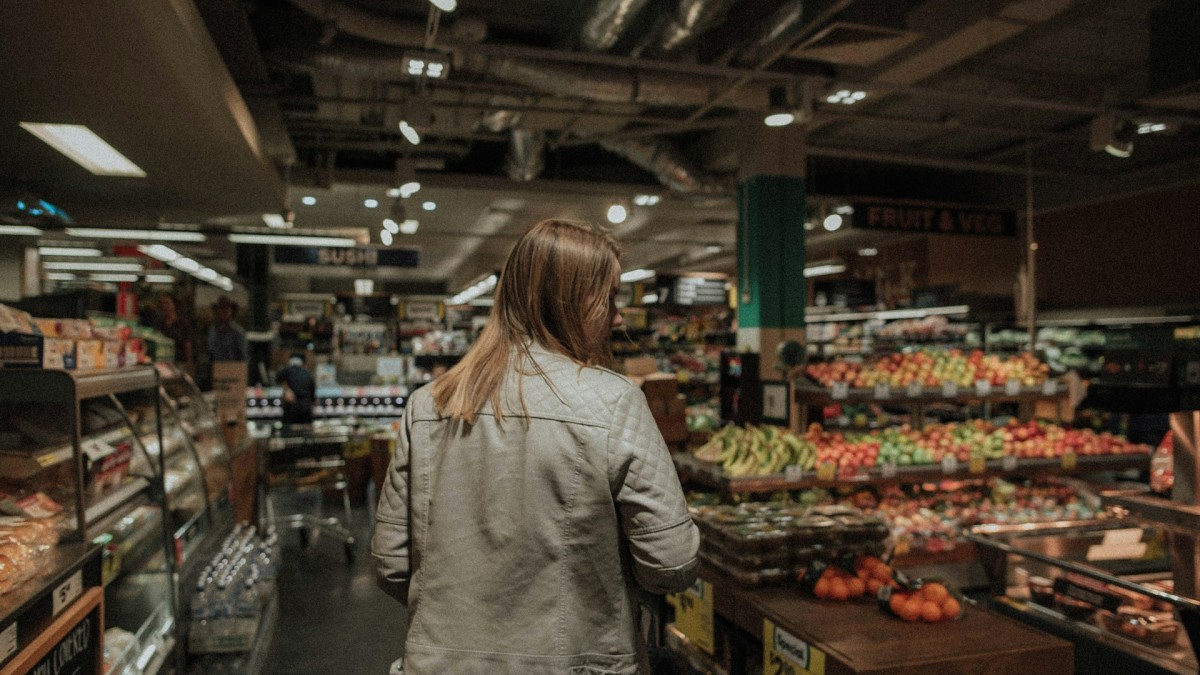
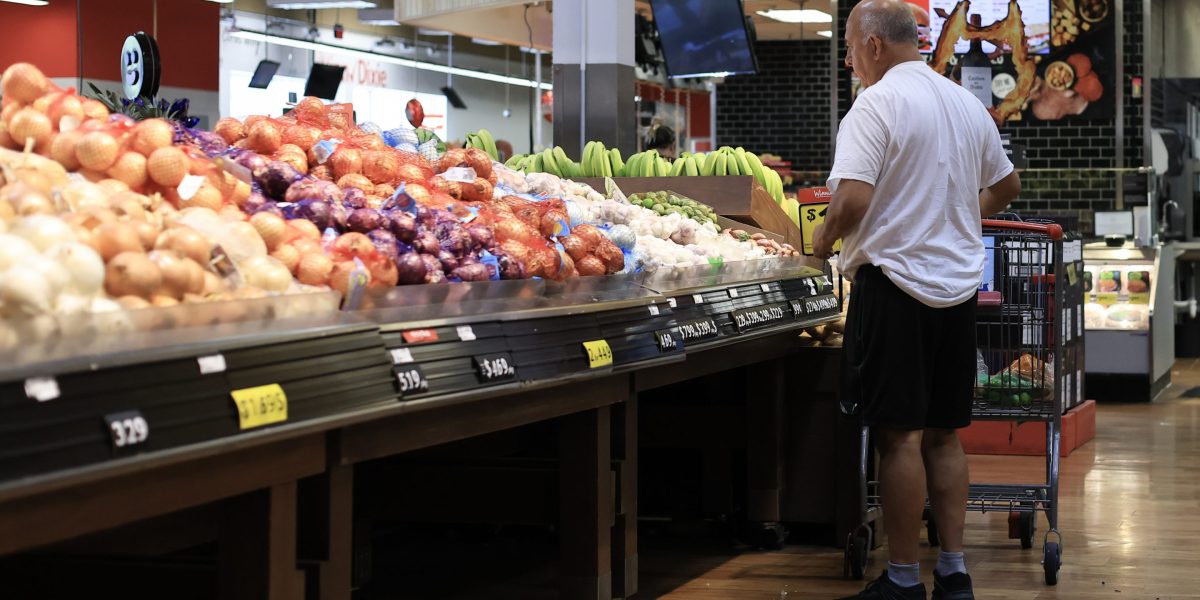
Energy is one of the most critical inputs for the food supply chain, which means the impacts of the war could show up on your grocery receipt. “There’s a very strong correlation between the movement of energy prices and the movement of food prices,” Dr. Ricky Volpe, an agricultural economist and professor of agribusiness at Cal Poly, told Fortune. “We’ve seen oil top $100 a gallon before and that happened to coincide with significant food price inflation.”
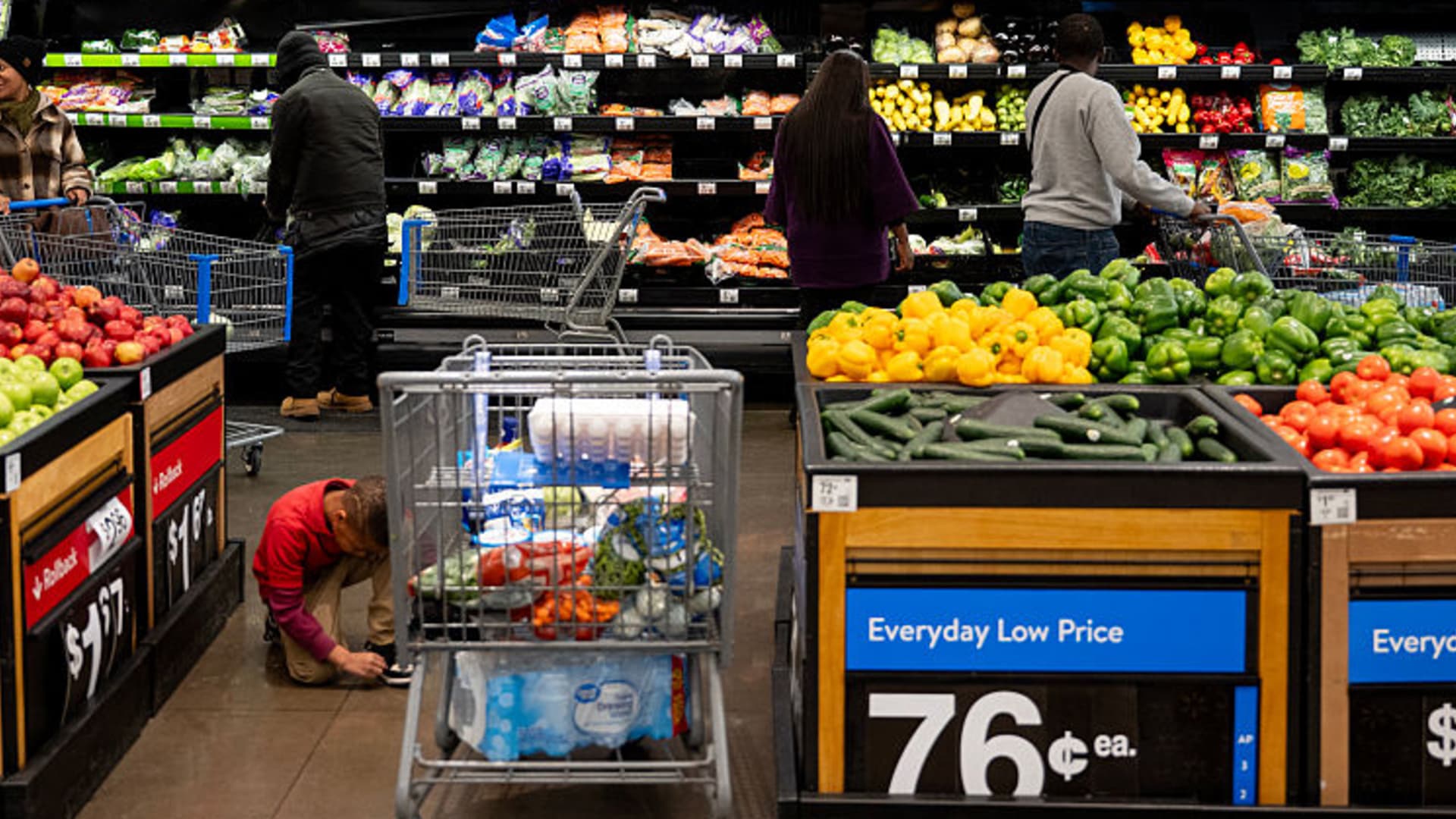
The war in Iran is adding another layer of volatility to an already shaky U.S. economy. Goldman Sachs has increased the chance of a recession occurring within 12 months to 25%, up five percentage points. And food affordability has been a top concern for many Americans, with food prices still on the rise despite efforts to cool inflation. Food prices have risen nearly 24% above pre-COVID levels and consumer sentiment remains near historic lows.
An energy-rich supply chain
The longer the war extends, the more drastic the impact on food prices. But if the war does end by the end of the month, as Trump has stated he’s hoping to be the outcome, it’s unlikely you’ll see a spike in grocery prices, according to experts. “If we’re talking just a few weeks, very likely you’re not going to see this show up in your grocery receipts,” Dr. David Ortega, an agricultural economist and professor at Michigan State University, told Fortune. “But if we’re talking a month or more, a few months, then it’s a different story.”