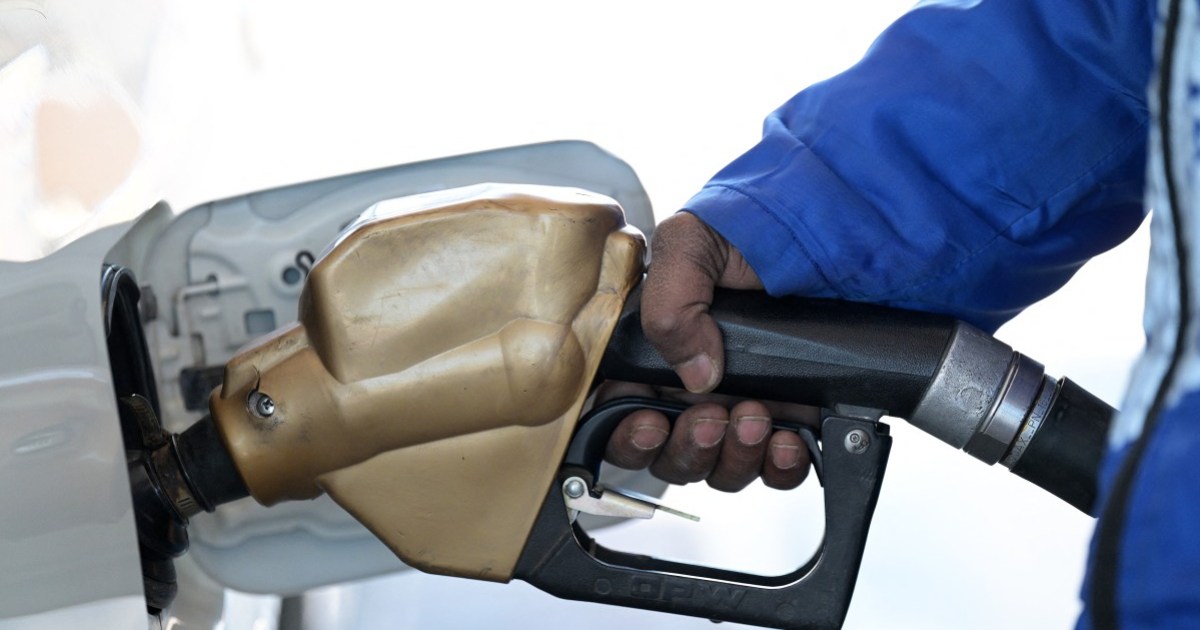
The price of oil rarely makes it into dinner table conversation.
But over the last two weeks it has dominated headlines, with huge and unusual rises and falls starting to feel like the new norm.
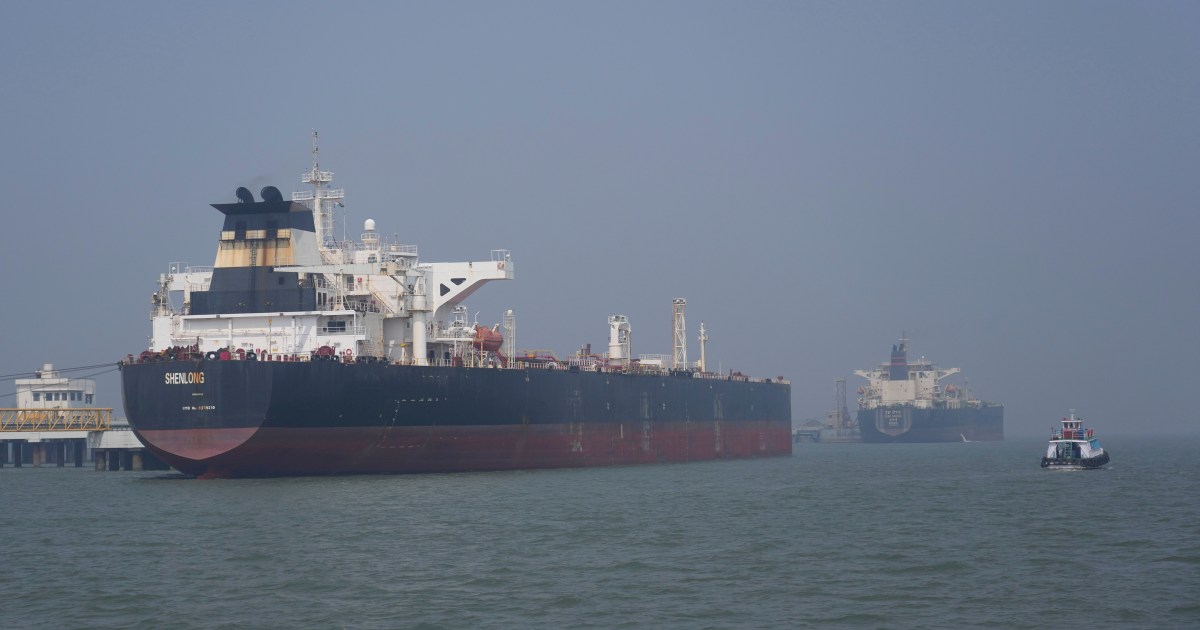
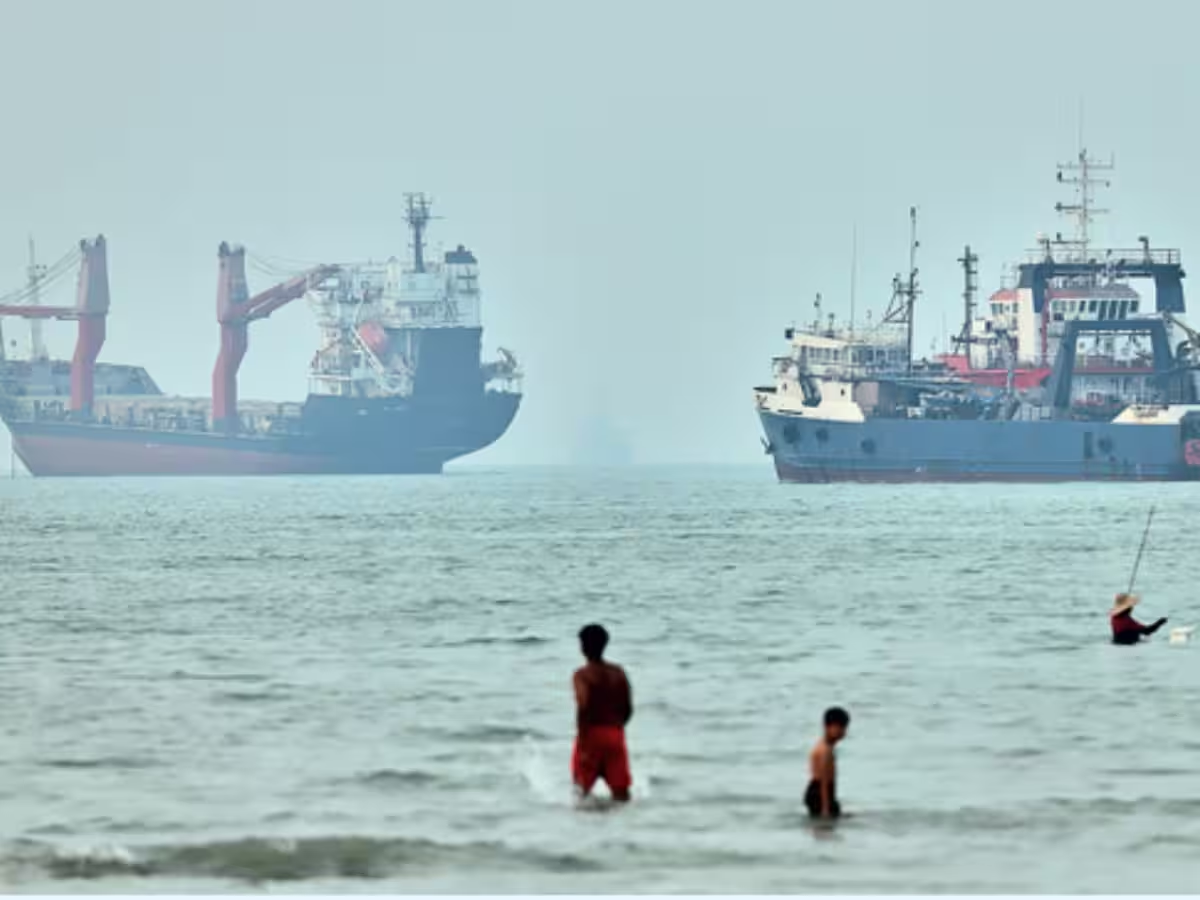
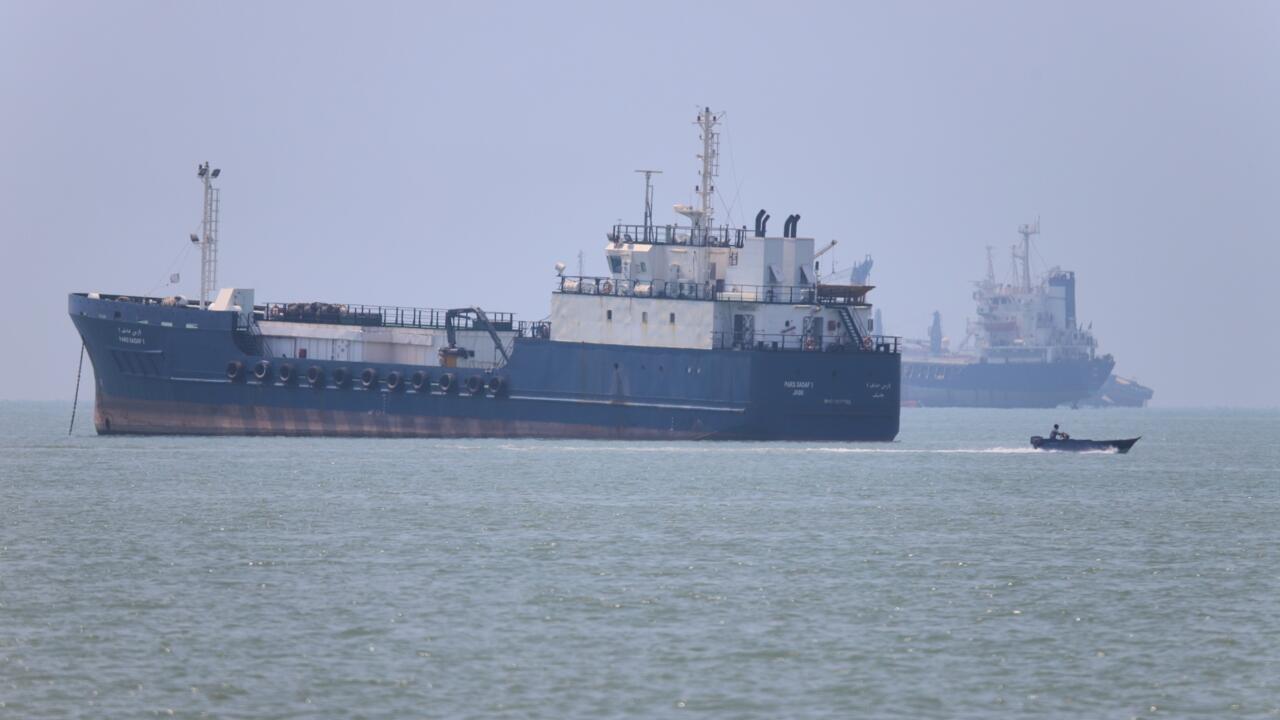
It is currently trading over a third higher than before the conflict began, pushed up by air strikes on shipping and energy infrastructure and the effective closure of the key Strait of Hormuz, a vital waterway that carries a fifth of global oil supplies.
There were wild swings in the price on Monday, which was described by the BBC's economics editor Faisal Islam as the most volatile day of oil trading in history.
Most of the talk around prices concerns the cost of Brent crude - a widely-used international benchmark for oil.