Oil markets have lurched from panic to relief and back again since the outbreak of war in the Middle East, with markets bracing for further volatility.
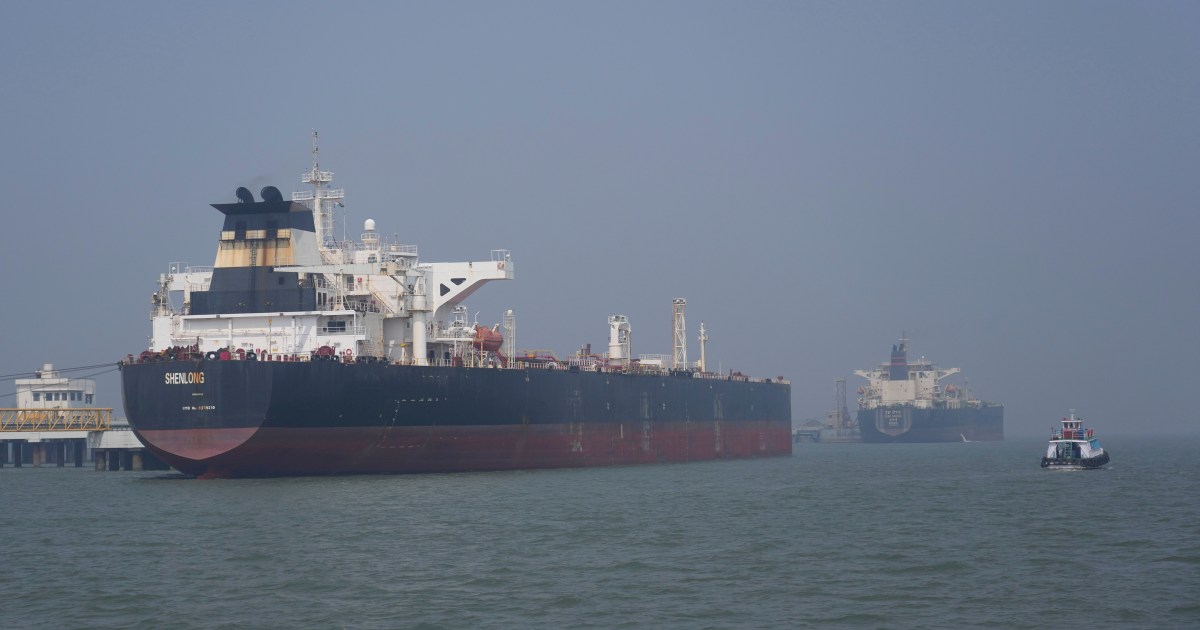
Prices surged more than 55% since the start of the war, with Brent crude jumping from around $72 a barrel on February 27 to nearly $120 at its peak, as fears mounted over supply disruptions through the Strait of Hormuz. Brent crude jumped 51% in March, one of the largest one‑month oil price surges on record.
Headlines about the war led to oil notching its biggest daily gain since the Russia-Ukraine war, while others sent Brent crude to its biggest daily drop in decades.
Here are some of the key moments that oil reacted to since the start of the U.S.-Israeli war against Iran, and where it might go next.
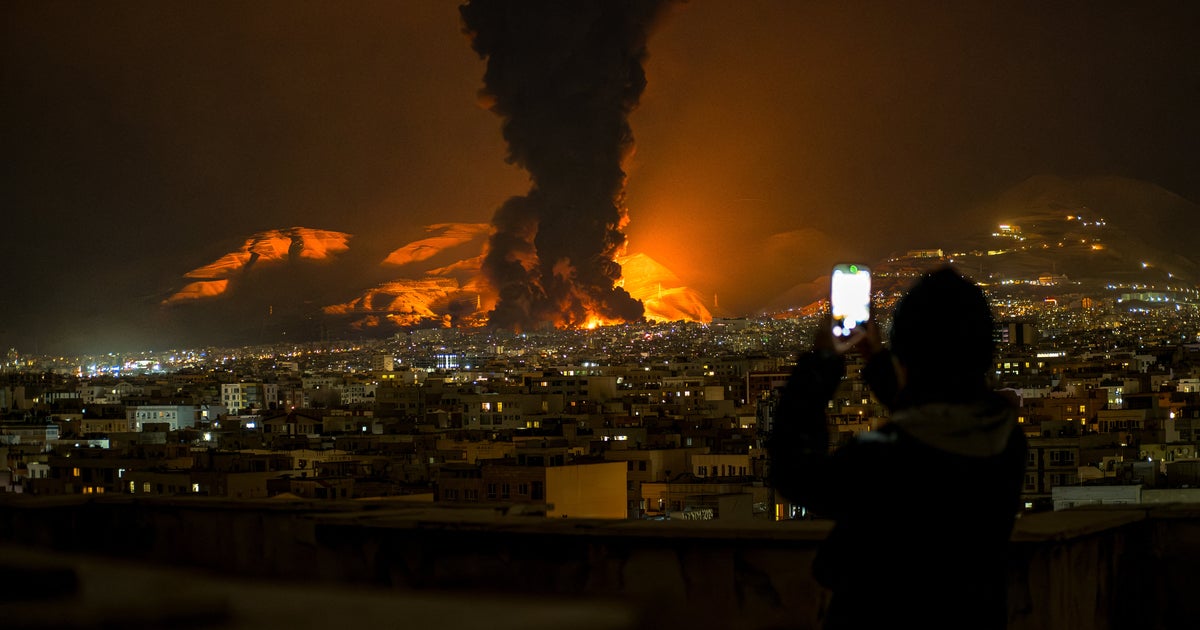
The war began with joint US-Israel strikes against Iran on February 28, a Saturday when oil wasn’t trading. The strikes killed several key Iranian officials, including Ayatollah Ali Khamenei, the Islamic Republic’s longtime supreme leader. Iran responded quickly, hitting infrastructure across Gulf capitals and throwing the region, and millions of barrels of oil, into chaos.