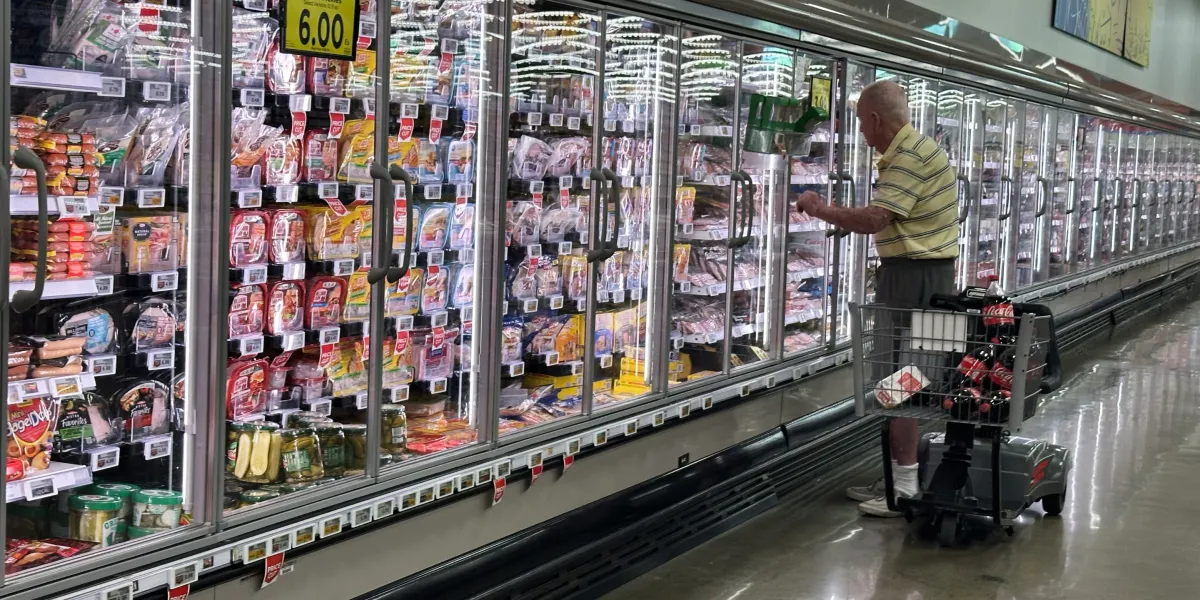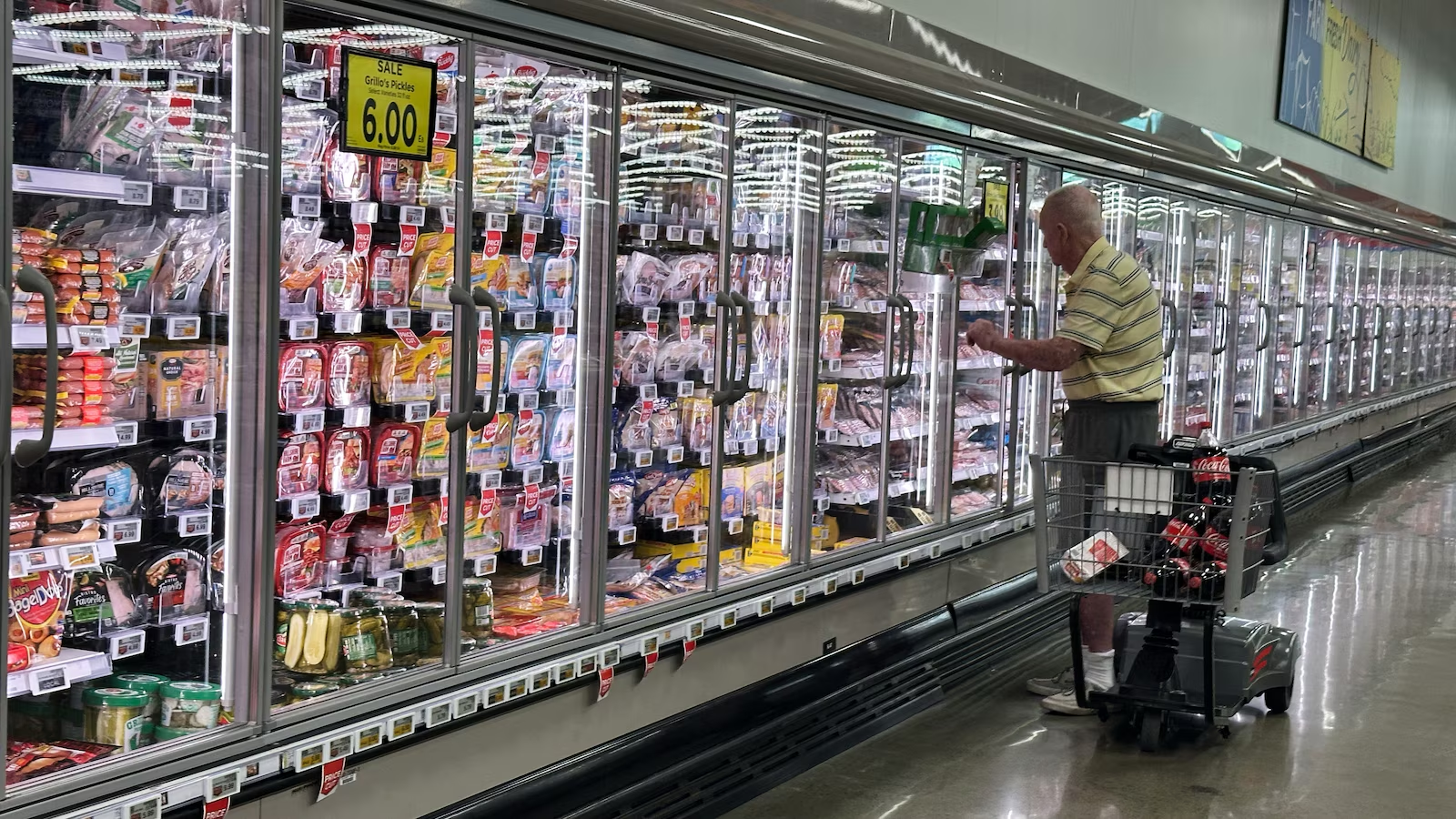
Rising oil prices tend to push up the cost of groceries, but that doesn’t mean shoppers need to rush out and stock up, economists say.
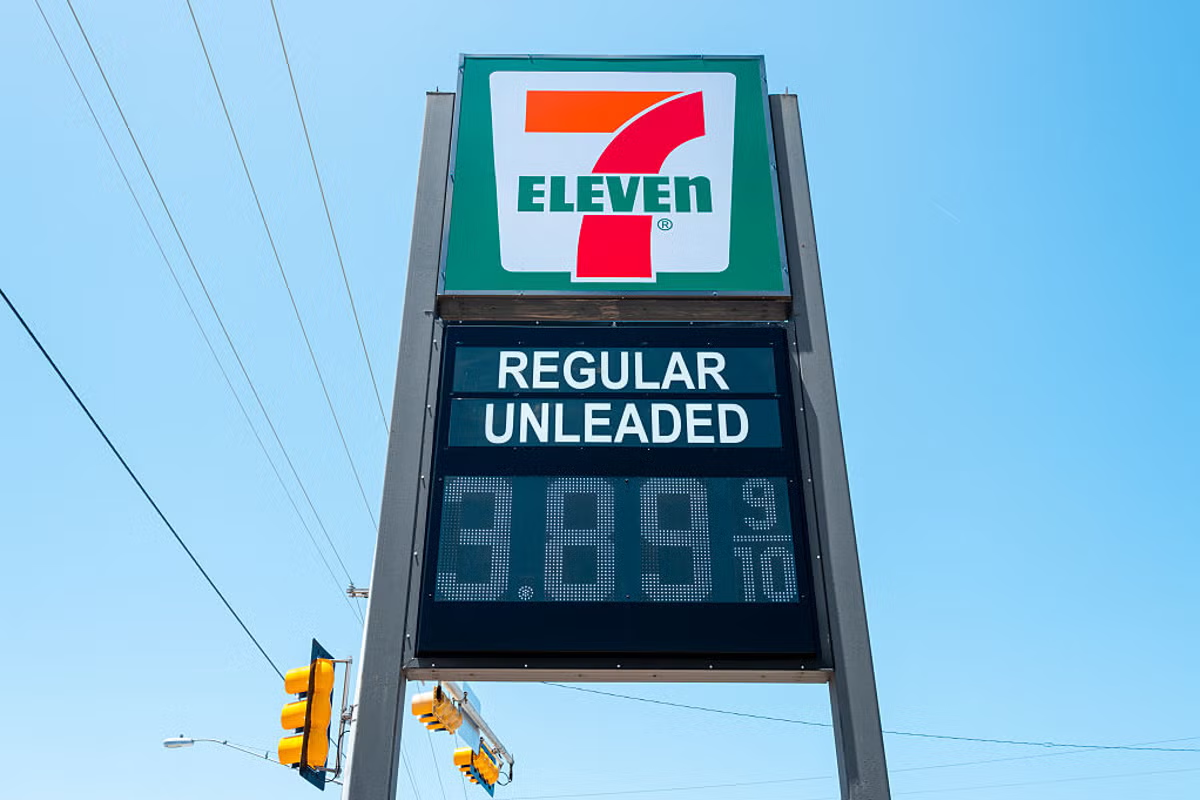
Brent crude has surged above $100 a barrel in recent weeks — after trading closer to $60 in January — as the Iran conflict disrupts flows through the Strait of Hormuz, a chokepoint that carries about one-fifth of the world’s oil.
Higher oil prices can raise costs across the food supply chain, from fuel used in farming and fertilizer production to transportation and refrigeration, according to the Federal Reserve Bank of St. Louis.
Many consumers are already reacting: About 48% said they’re buying certain items in bulk because they expect prices to rise, according to a survey of 1,000 U.S. adults conducted March 9 to 13 by ecommerce platform Omnisend.
But that kind of behavior can backfire, economists say, by creating demand spikes, straining supply chains and putting additional upward pressure on prices.