F
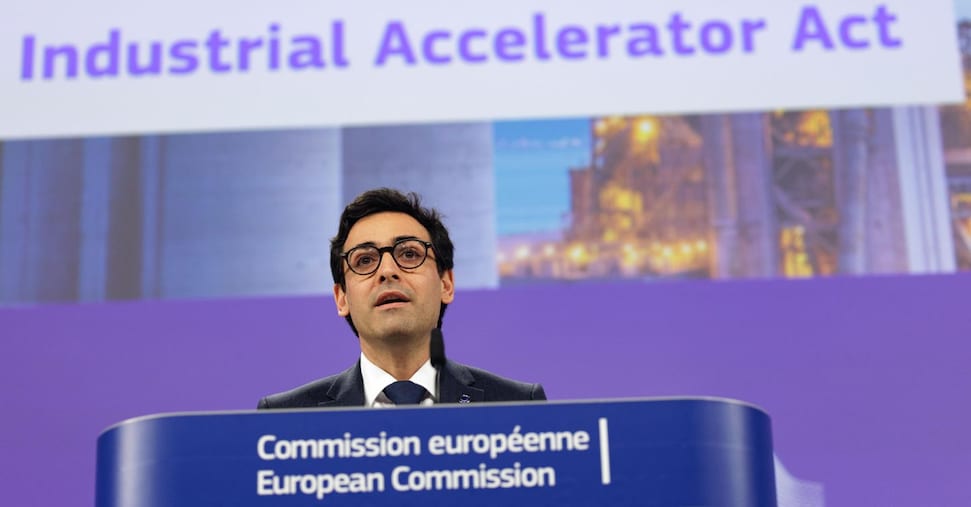
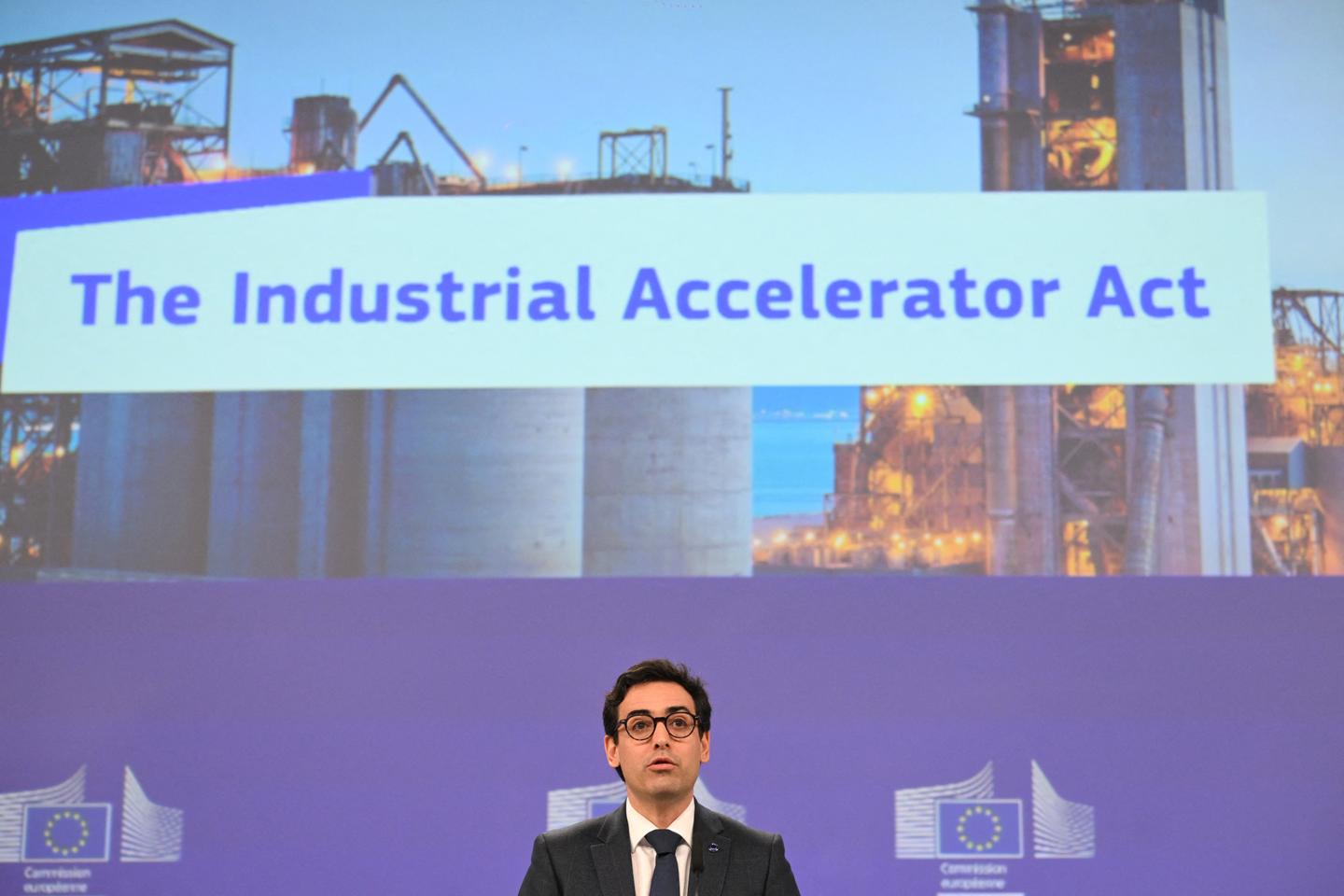
or years, the concept of European "industrial sovereignty" remained little more than empty rhetoric, never leading to any real policy to protect and promote manufacturing and production on the continent. With the Industrial Accelerator Act, presented on Wednesday, March 4, the European Commission has finally proposed an antidote to deindustrialization. Today, the European Union's 27 member states have no choice: Facing economic decline and strategic vulnerability in a world that is increasingly shaped by power struggles, they cannot remain stagnant.
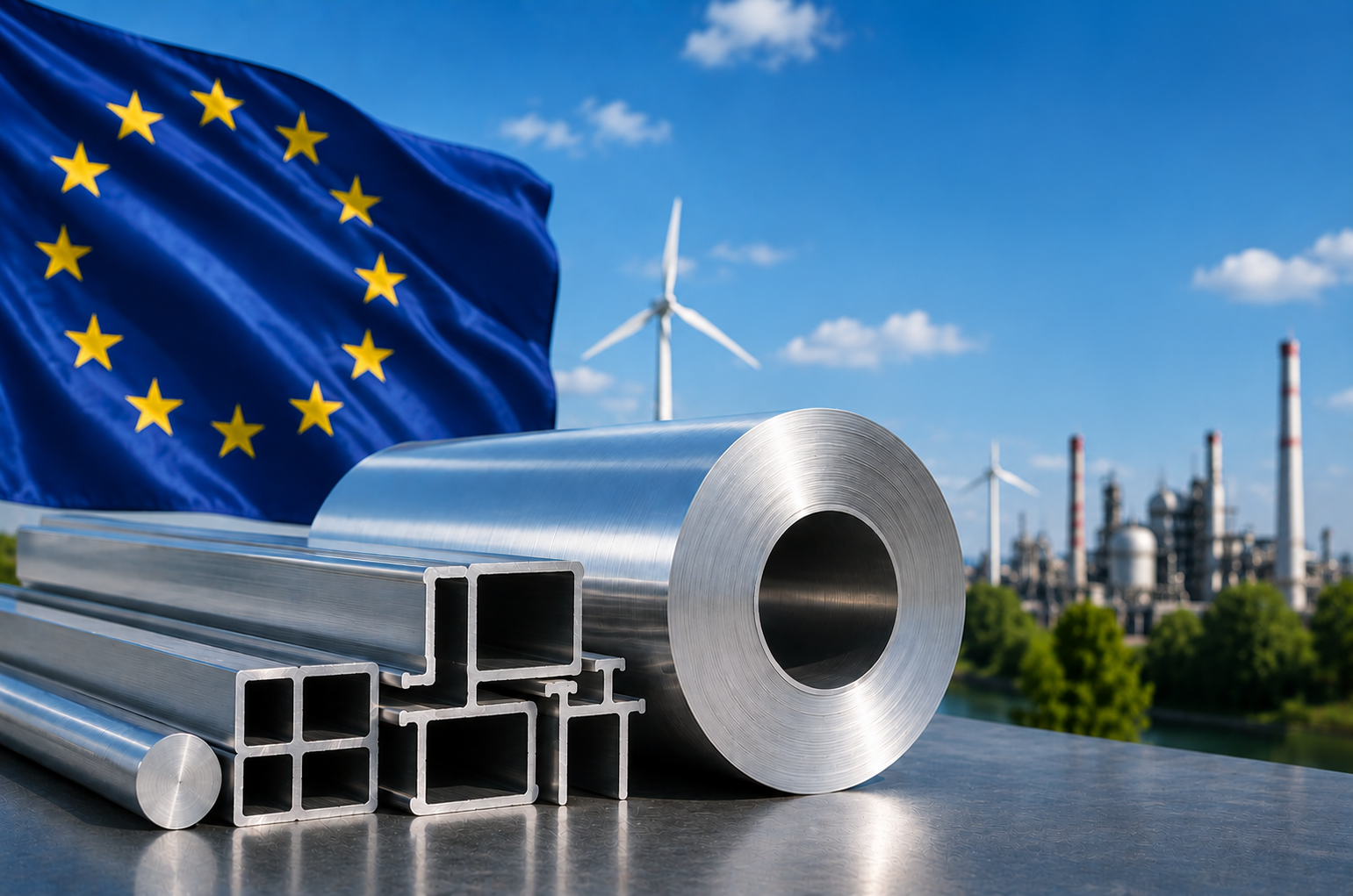
The act aims to promote European preference in industrial policy, by making access to public procurement markets and state subsidies conditional on strict local production requirements. This "Made in EU" principle would apply to decarbonized heavy industrial production (aluminum, cement, etc.), green technologies (wind turbines, electrolyzers, heat pumps, batteries, photovoltaics, etc.), nuclear power, and electric and hybrid vehicles – which would have to include 70% of locally sourced components (excluding the battery).
For the EU, this is a double break with the past. Beyond implementing the principle of European preference, the act would enshrine industrial policy as a tool for trade policy. By introducing the concept of reciprocity, the act sends a clear message to the EU's trade partners: Countries that close off their public procurement markets will no longer enjoy free access to Europe. This marks a paradigm shift for a union built on the idea of free trade – sometimes to the detriment of its own interests.