As fish stocks dwindle, surf tourism may offer a lifeline to traditional caballitos de totora fishers, whose vessels are thought to be among the first ever used to ride waves
J
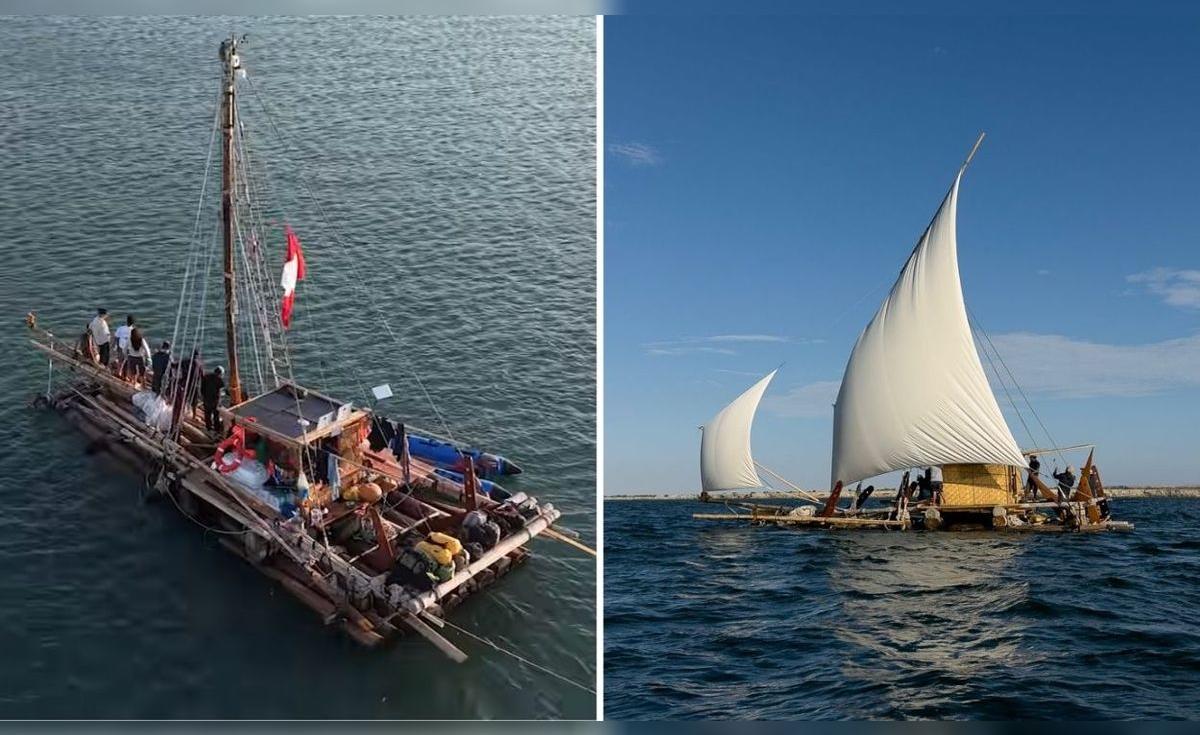
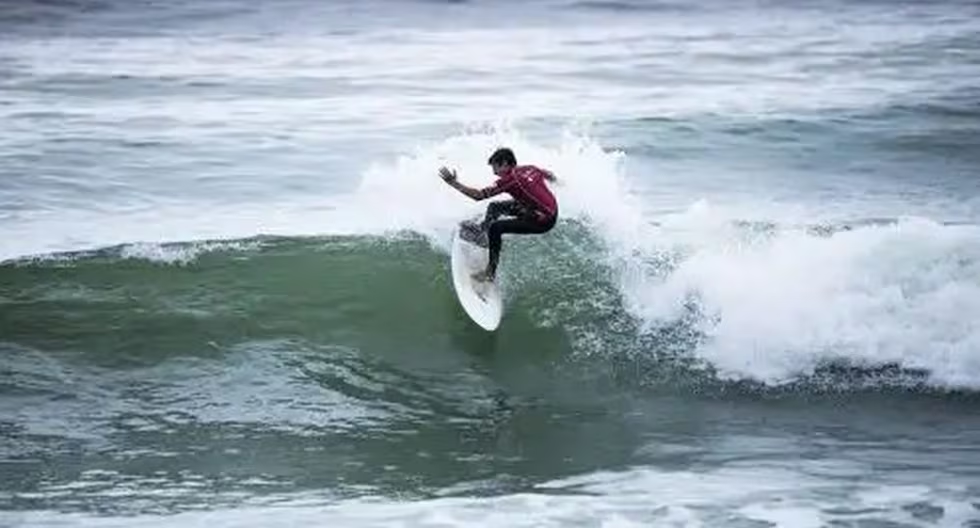
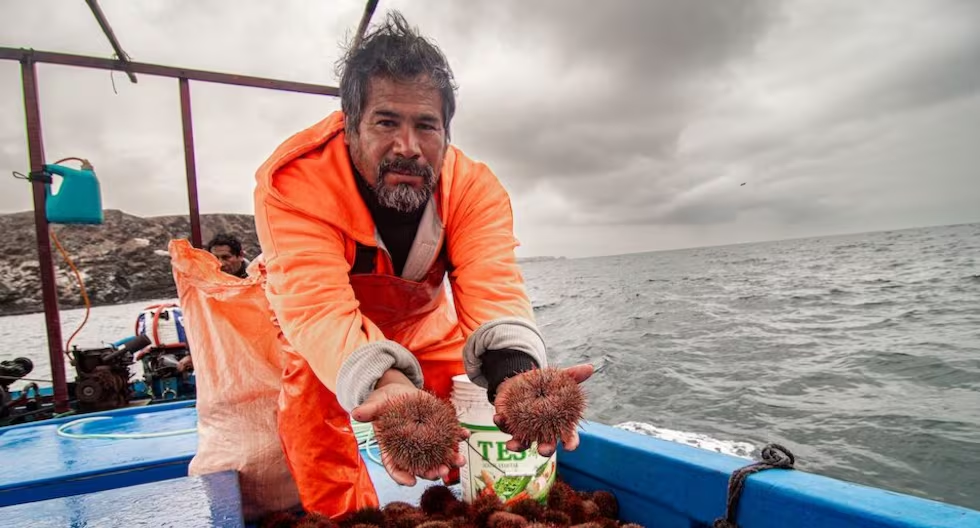
ust before dawn, in a scene that has repeated itself over thousands of years on the north coast of Peru, fishers drag boats made of bound reeds to the water’s edge and, kneeling on them, use paddles shaped from split bamboo to row out into the Pacific Ocean to catch their breakfast. A few hours later, these surfer fishers return with netfuls of their catch, riding waves on the final stretch back to the shore. From the main beach in Huanchaco – a seaside town near the city of Trujillo – the fish are taken to sell at the market or to beachfront restaurants preparing meals for tourists.
The four-metre-long reed vessels – known as caballitos de totora in Spanish, or “little reed horses” – are placed upright on their ends by the promenade on El Mogote beach so that the seawater drains away and they are ready to be used the next morning.
Archaeologists estimate that fishers in Peru have been using the reed boats for approximately 3,500 years. Elaborate ceramics dating back to the sophisticated Moche culture (AD100-800) and the later Chimú civilisation (900-1470), depict figures astride the craft, which was called a tūp in the now-extinct Mochica language. They are believed to be among the first crafts to be used for riding waves, possibly predating Polynesian proto-surfing in Hawaii.