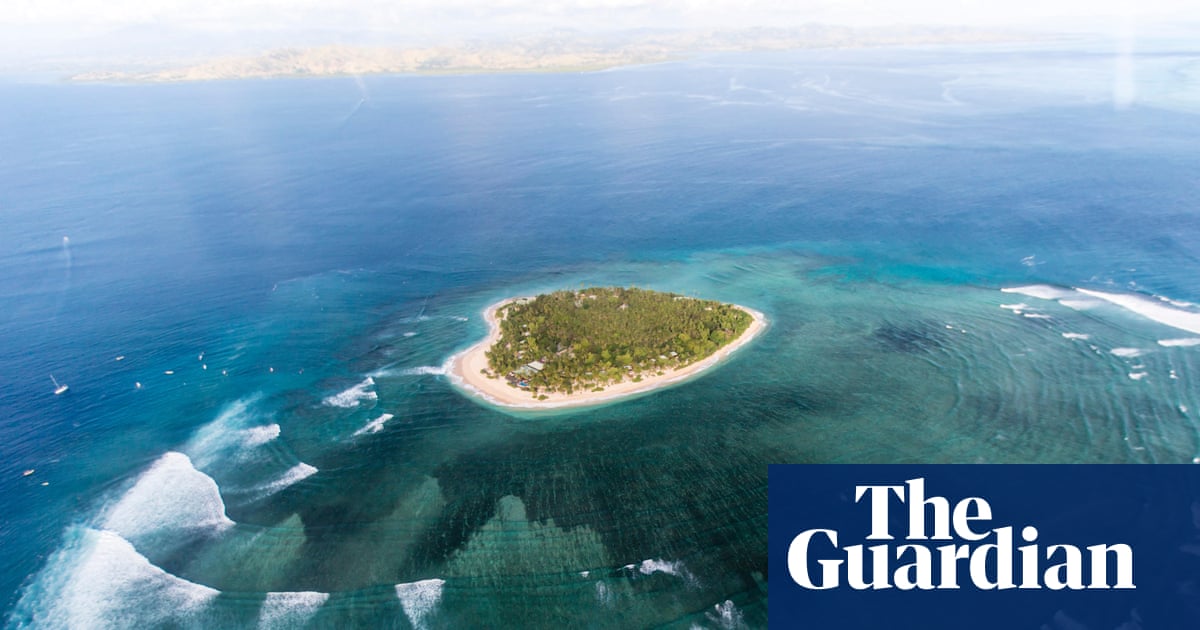
Move to bring back customary marine rights is celebrated, but concerns remain about potential effect on tourism and lack of clarity about how it might work
I
n Fiji, babies know a connection to the sea from birth; their umbilical cords, or vicovico, are sometimes implanted in the reefs that frame the coastal Pacific nation, embedded among the coral. It’s an age-old practice among iTaukei, the Indigenous Fijian people – creating a lifeline to the ocean, a reminder of their roles as traditional custodians.
Yet for decades, controversy over the rights to the Fijian seabed has cast a long cloud over the island nation, which sees a million tourists flock to its shores each year, many to surf the perfect, barrelling reef breaks. It has led to heartache and, at times, violence.
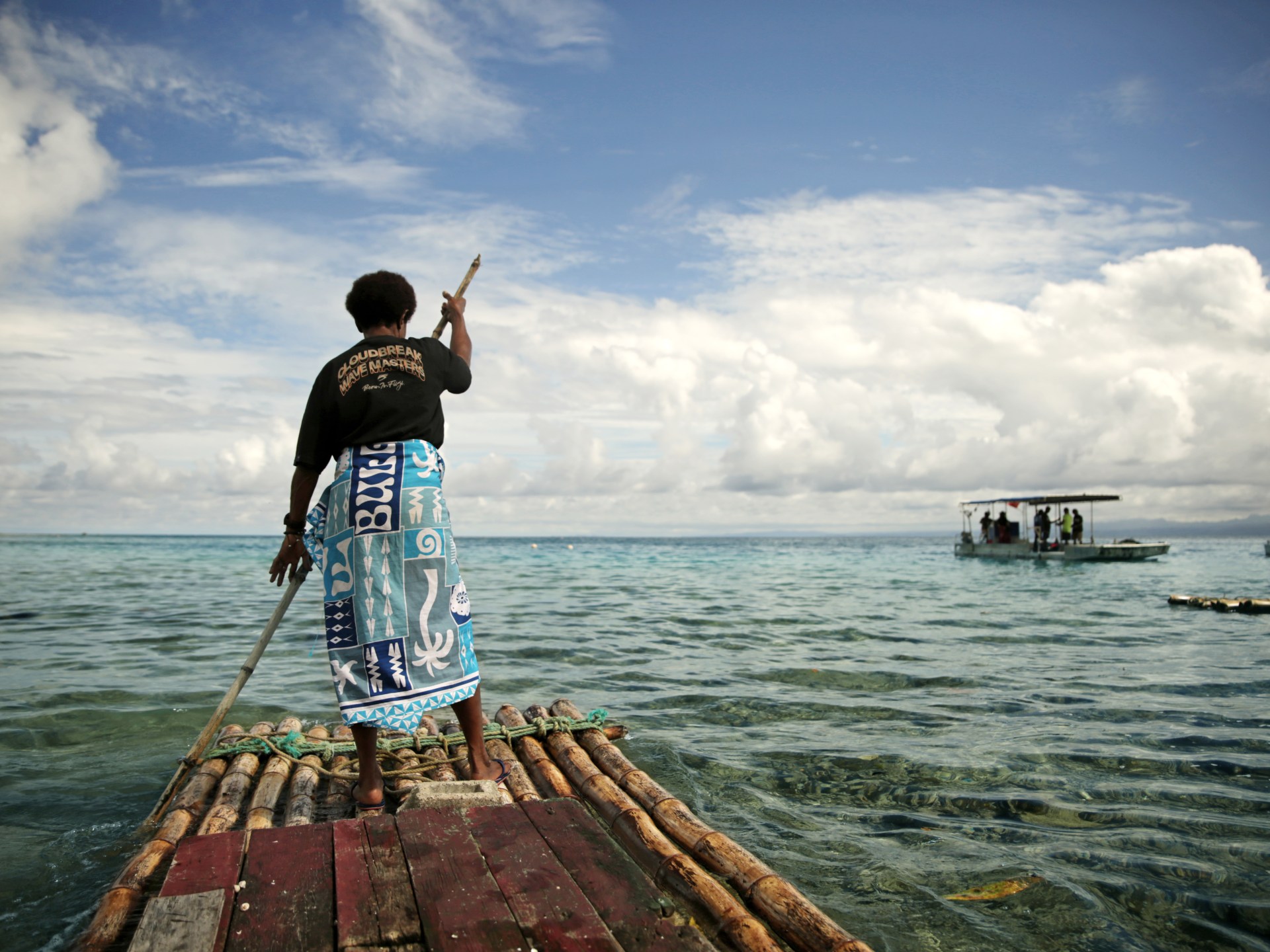
Until 2010, access to Cloudbreak, one of the world’s most famous surf waves, was barred to Fijian locals, due to an exclusivity deal with a high-end resort from the early 80s. “It was demeaning, it was shameful,” says Ian Ravouvou Muller, an iTaukei surfer who recalls being threatened and chased out of the waters where the vicovico of his three sons are buried. “We are a saltwater people.”