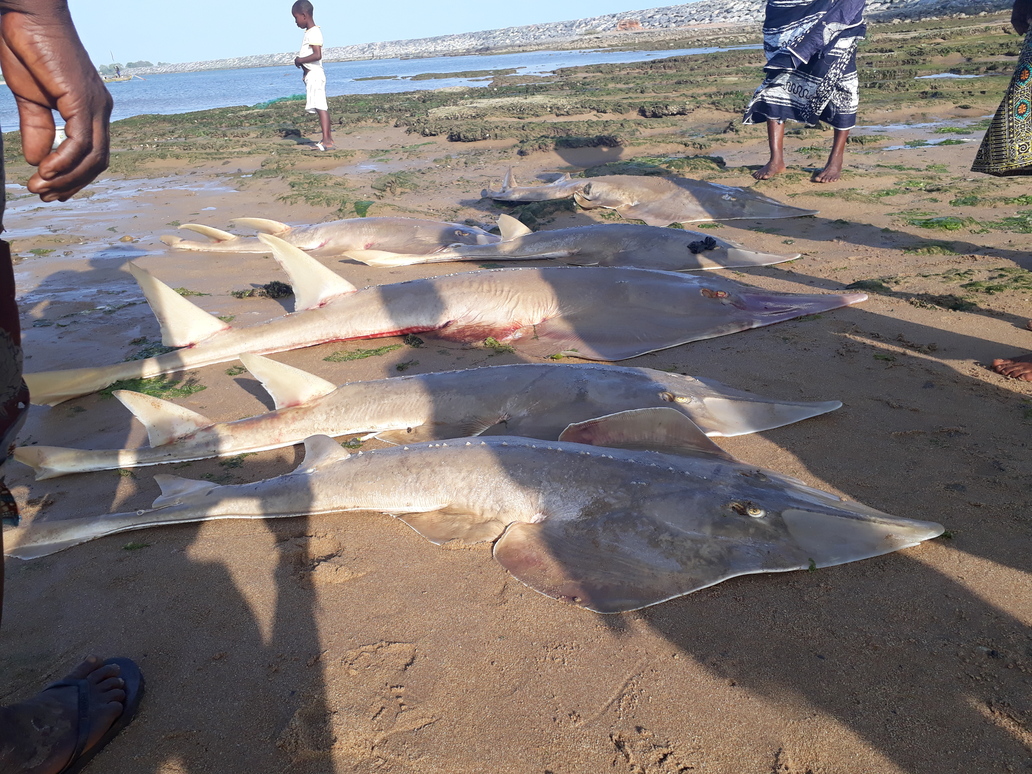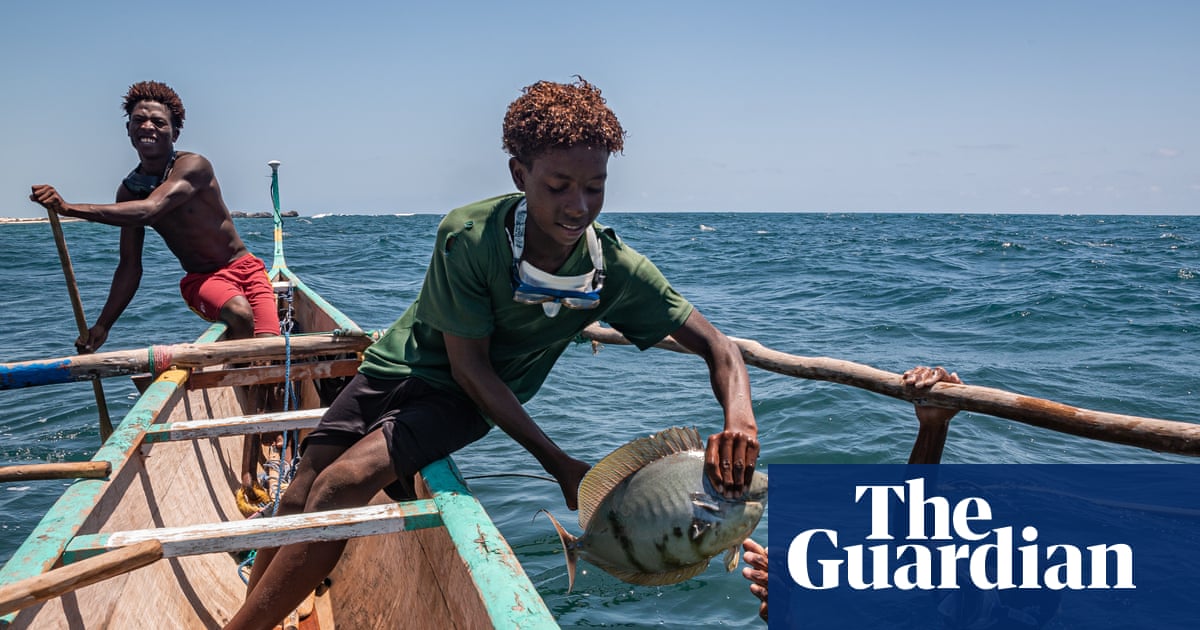
Seaweed has become a key cash crop as climate change and industrial trawling test the resilient culture of the semi-nomadic Vezo people
A
long Madagascar’s south-west coast, the Vezo people, who have fished the Mozambique Channel for countless generations, are defined by a way of life sustained by the sea. Yet climate change and industrial exploitation are pushing this ocean-based culture to its limits.
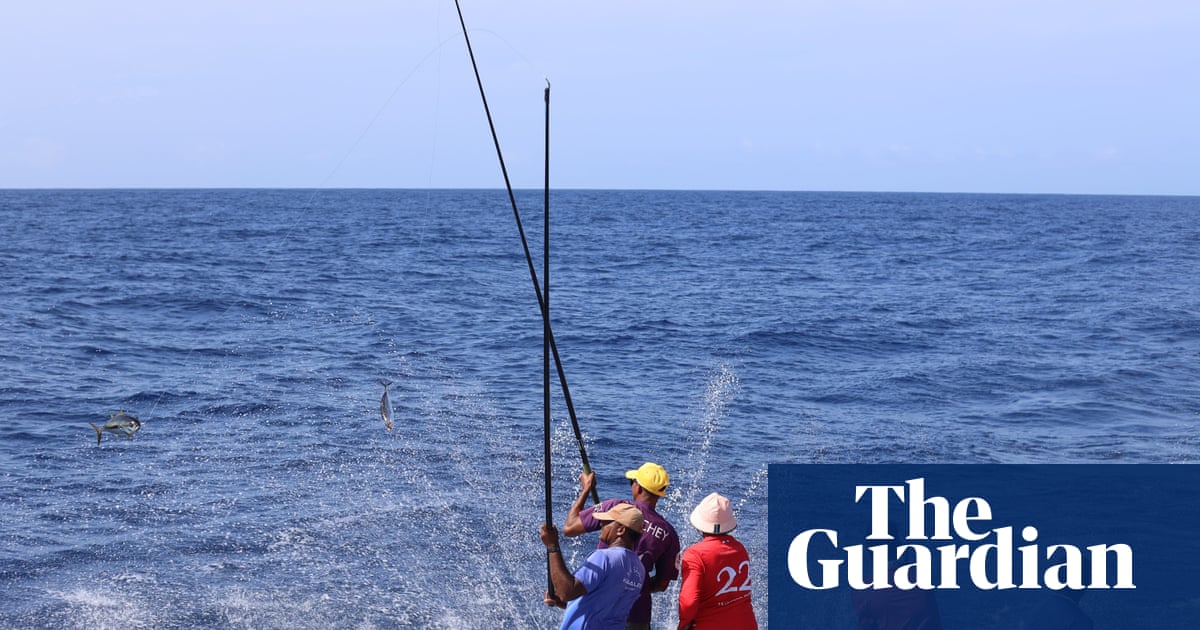
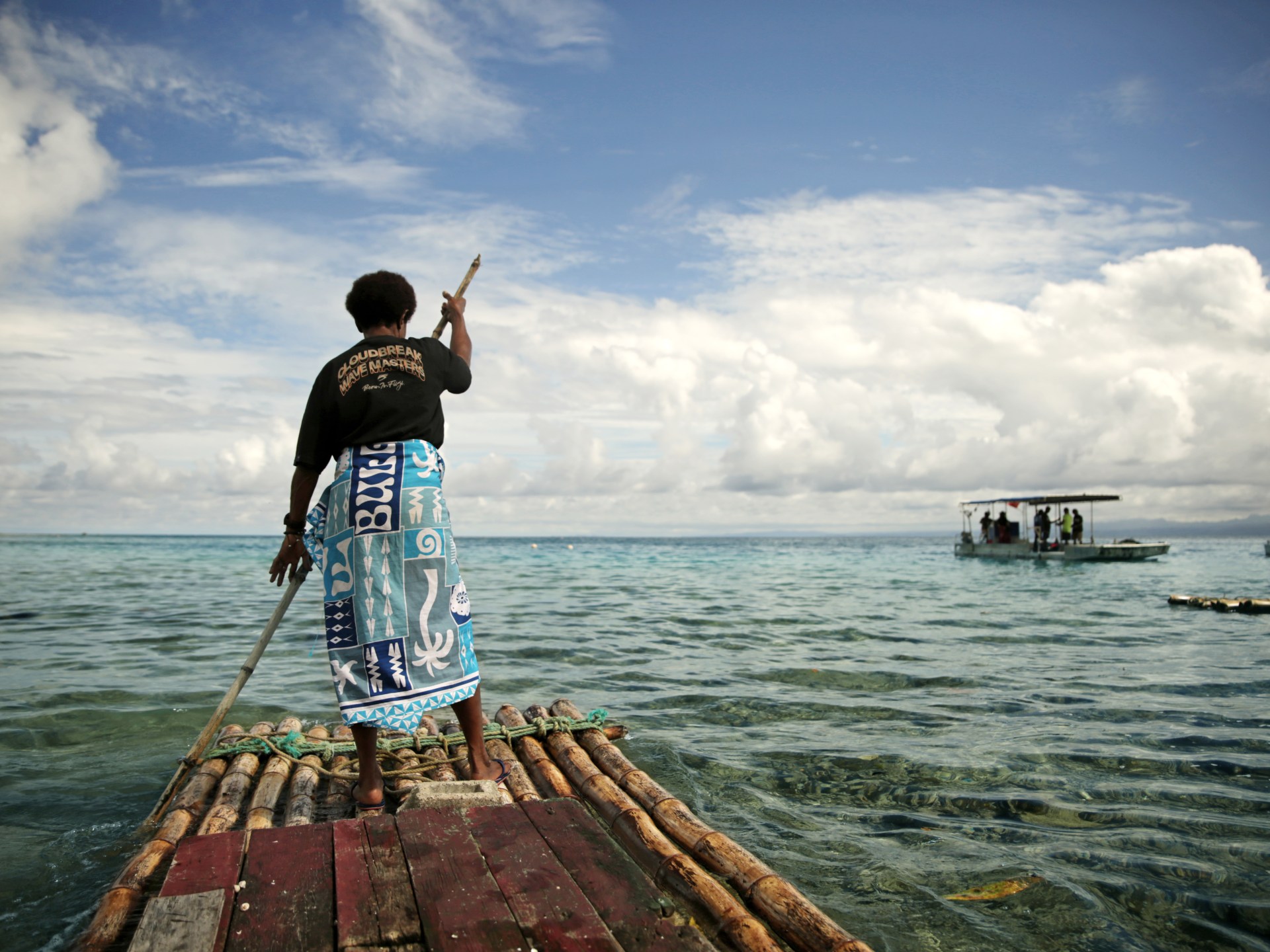
Coastal villages around Toliara, a city in southern Madagascar, host tens of thousands of the semi-nomadic Vezo people, who make a living from small-scale fishing on the ocean. For centuries, they have launched pirogues, small boats carved from single tree trunks, every day into the turquoise shallows to catch tuna, barracuda and grouper.
“We rely solely on the ocean,” says Soa Nomeny, a woman from a small island off the south-west coast called Nosy Ve. “Whatever we catch today, we eat today. If we catch nothing, we don’t eat.”