Fearing that extreme weather threatened its epic breaks, Oriente Salvaje is piloting the first surf insurance policy to protect livelihoods and ecosystems
I
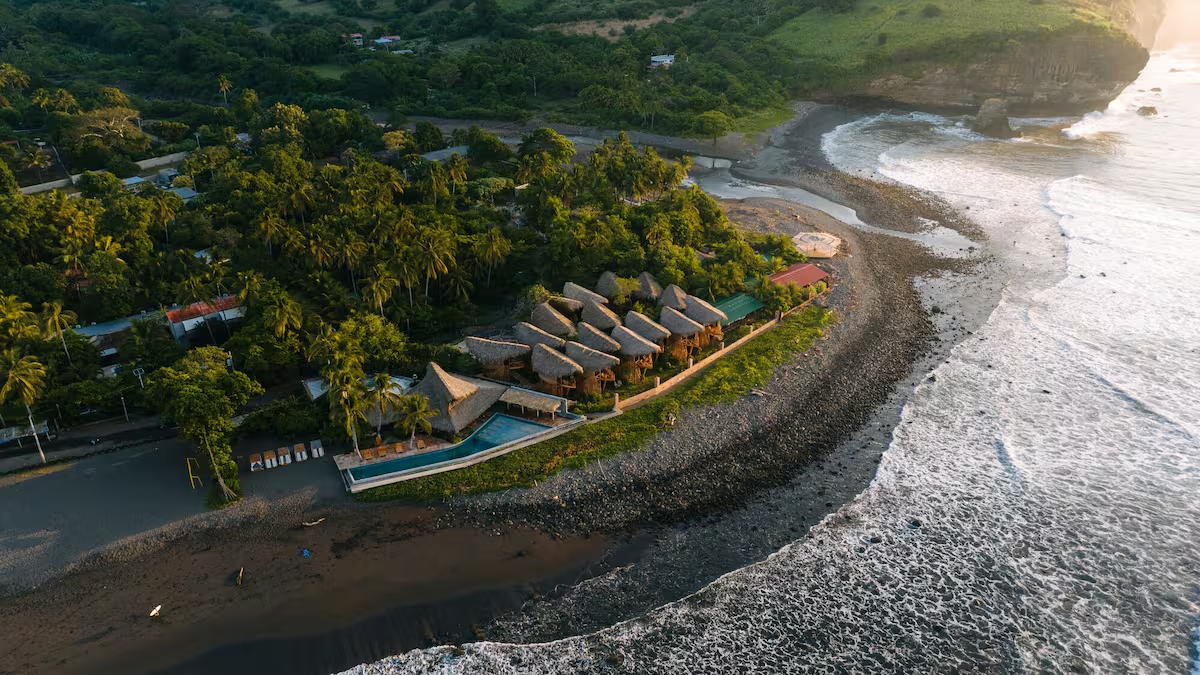
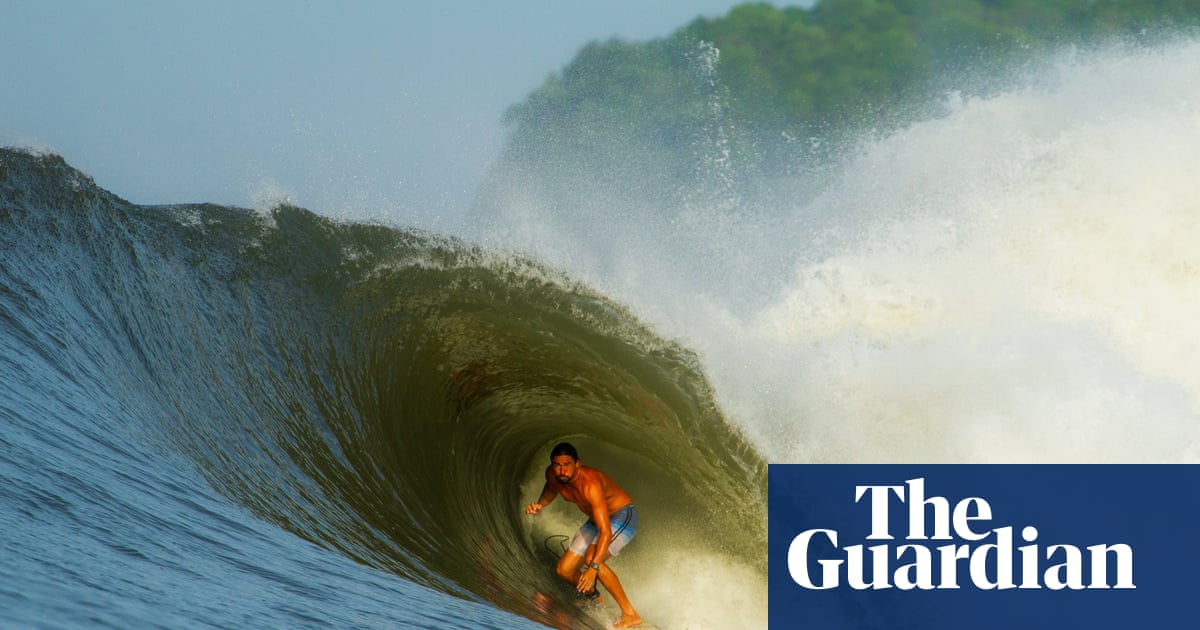
n the late 1990s in El Salvador, Rodrigo Barraza went in search of every surfer’s dream: a pristine wave, far from the crowds. Down a rough dirt track hours from any city, he found it: a little-known surf spot on the country’s eastern shores, where long lines of waves form a crisp right-hand break, surrounded by thousands of hectares of tropical forest.
“I fell in love with the place,” says Barraza. In 2004, he opened a small hotel there, and along with some surfing friends, founded a tourism association. They developed sustainable tourism standards and committed to protect the surrounding biodiverse ecosystem of rare dry tropical forest, rivers and mangroves. They called it Oriente Salvaje – the “wild east”.
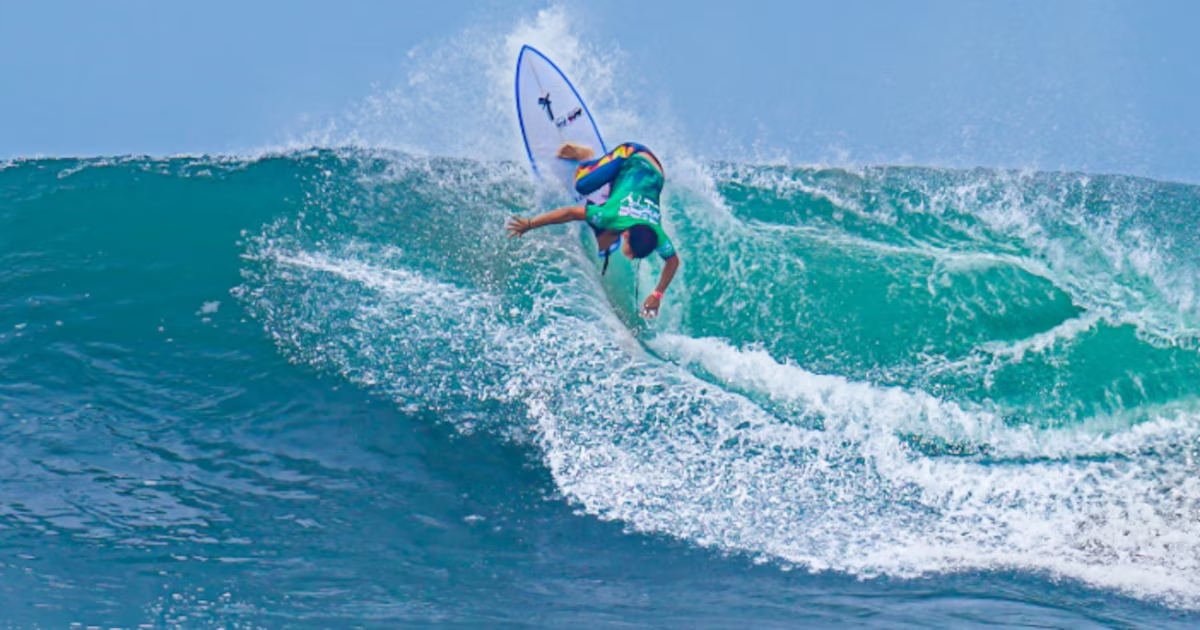
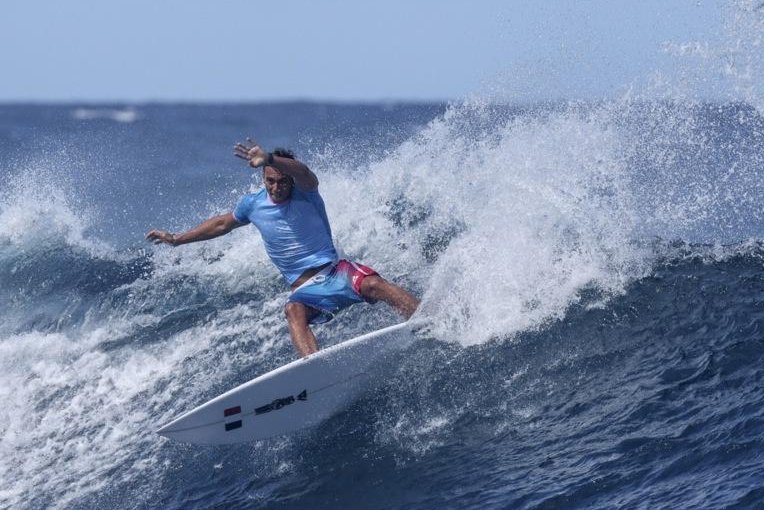
Today, Oriente Salvaje, which encompasses 19 kilometres of coastline, has a thriving surf industry that attracts intrepid wave hunters, who venture out to ride its world-class breaks, Las Flores and Punto Mango. A surf break is a natural feature such as a sandbar, coral reef, or headland which gives rise to ocean swells that break to form rideable waves. Yet this surfer’s idyll is increasingly threatened by a changing climate. Intense tropical storms cause flooding, churning up the picture-perfect waves, blocking transport routes, and keeping surfers away.