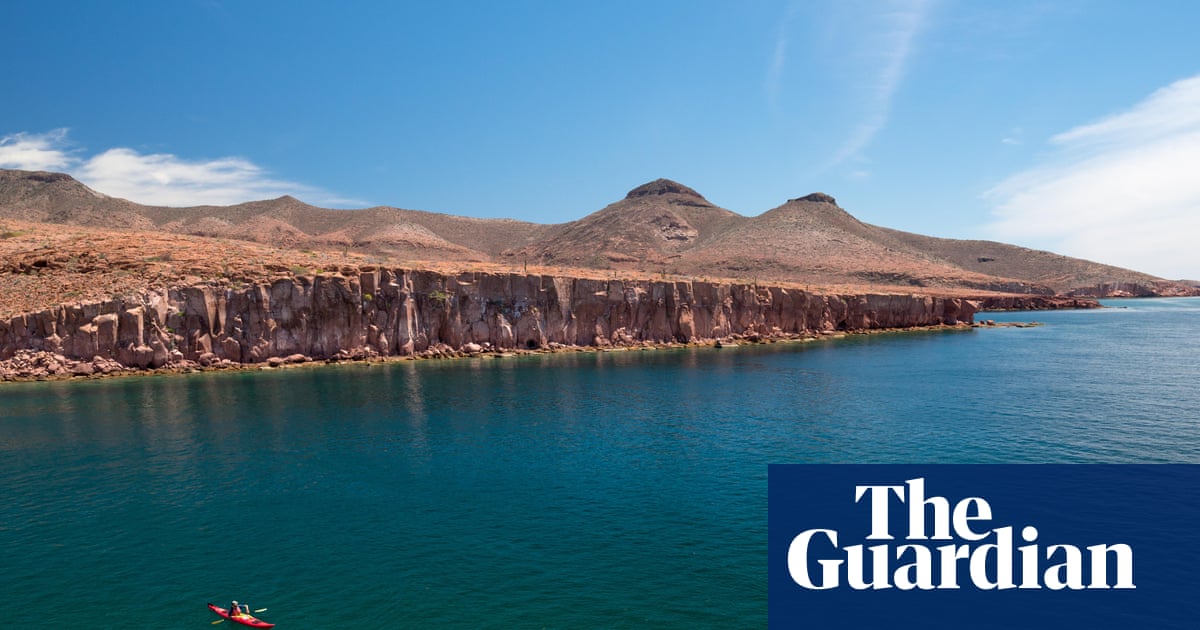
When developers began circling Espíritu Santo island in the 1990s, a private conservation effort saw them off. But today the Unesco site faces a new threat: mass tourism
O
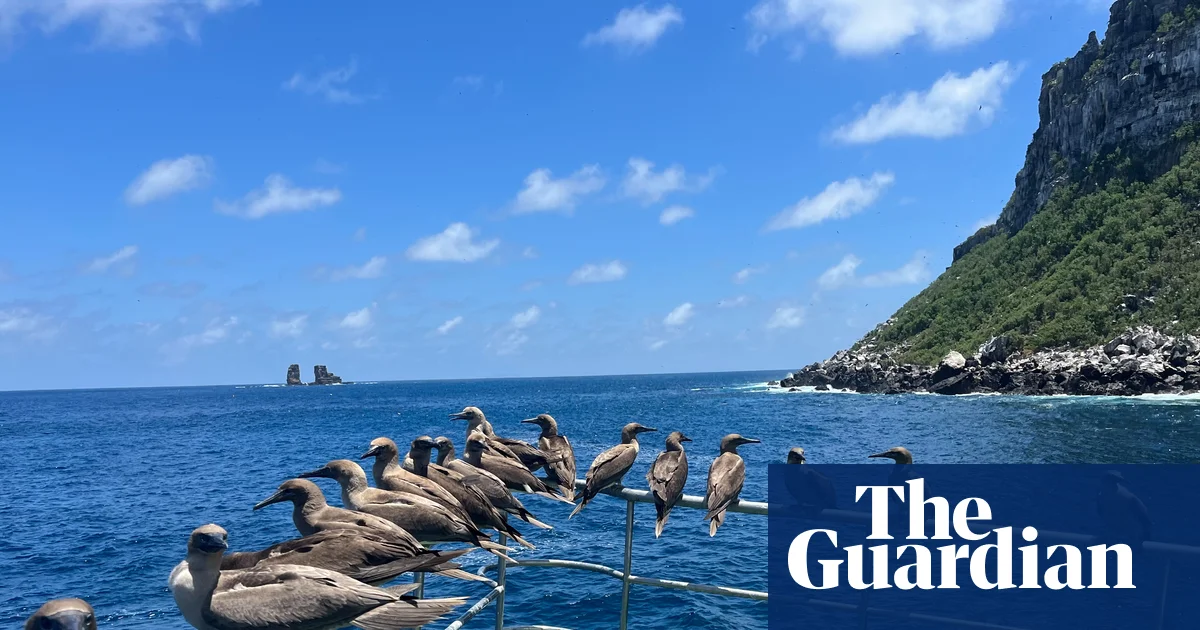
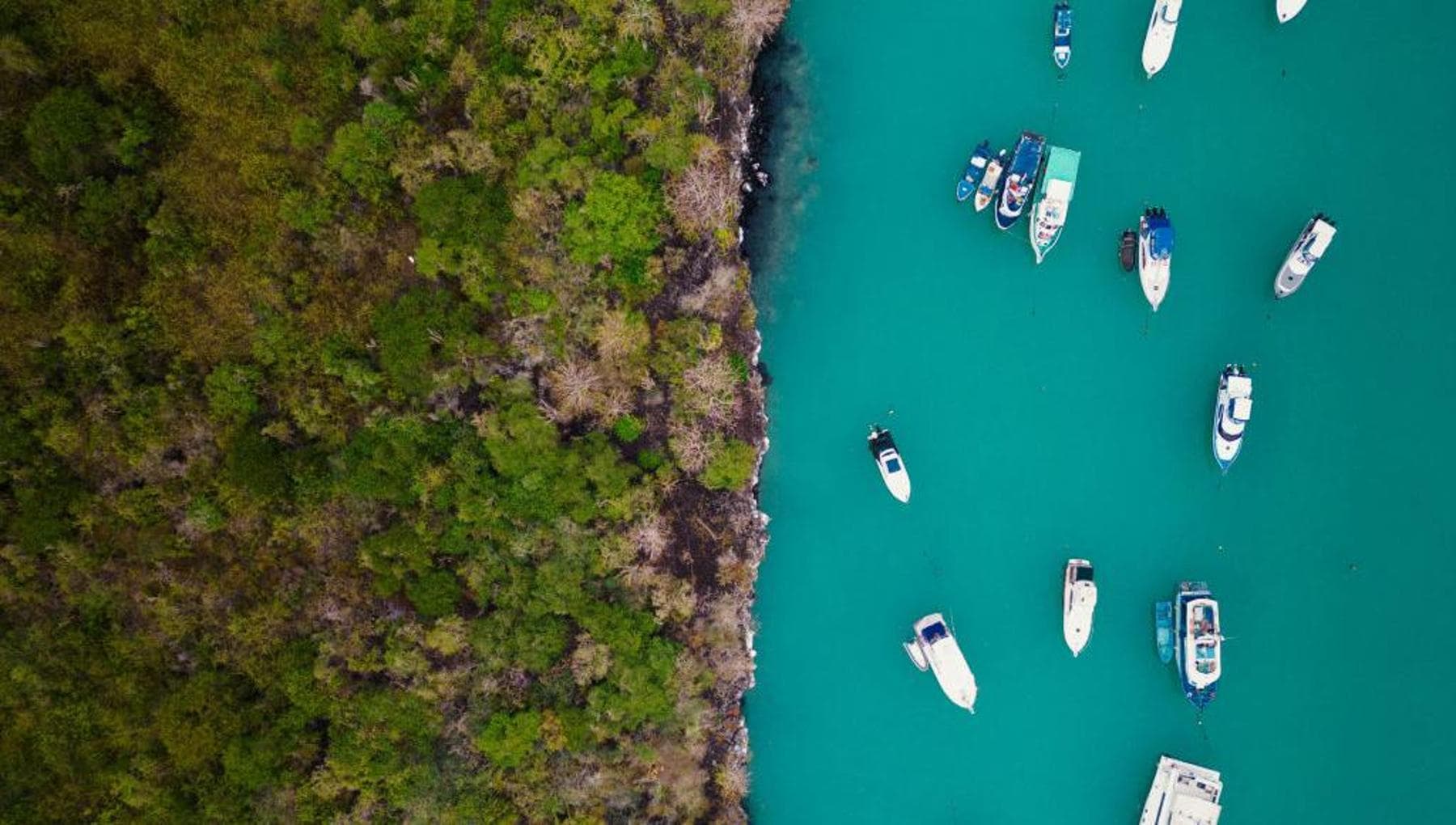
n a clear day over the Sea of Cortez, Espíritu Santo looks untouchable. Turquoise water laps at the shores of the island’s rocky coves; whale sharks cruise past snorkellers; seabirds caw over ancient cliffs. The pristine island and its Unesco-protected surroundings – informally called “Mexico’s Galápagos” – are a cocoon of biodiversity.
Yet an increase in tourist numbers has led to growing unease among the island’s longstanding stewards, as environmentalists report a decline in the area’s marine life and call for stricter regulations.
Espíritu Santo is no stranger to conflict. In the 1990s, the island, roughly the size of Manhattan, was a potential goldmine. Developers were reported to have plans for a casino. The fight to save it, led by grassroots activists and a local billionaire, was an early example of private conservation. Three decades on, those involved warn of its fragile legacy.