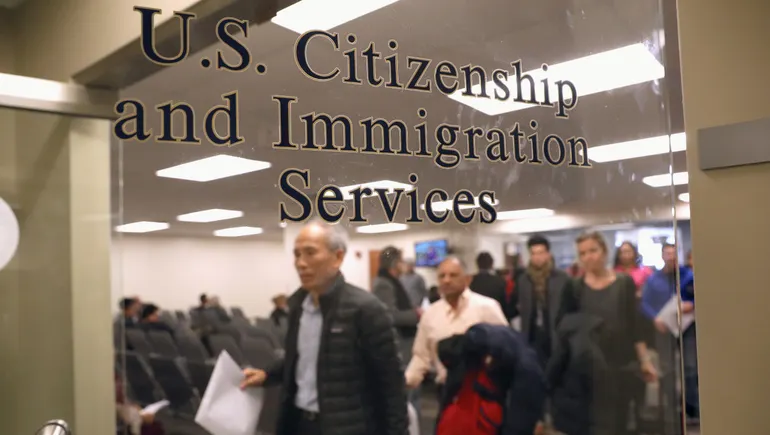
After weeks of heightened immigration enforcement activity in Minnesota, anxiety has spilled into the workplace. Employees at companies, including Google and Target, have pressed leadership for clarity and protection amid fears of potential Immigration and Customs Enforcement raids. The questions landing on HR’s desk are no longer hypothetical: If federal agents show up at the office, what—legally and practically—should leaders do?
The answer hinges on the paperwork in an ICE agent’s hand, says Corie Anderson, a Minneapolis-based attorney at Ogletree Deakins. She urges companies to prepare for that moment by understanding three key types of documents, each carrying very different legal implications for what employers must, and don’t have to, allow.
1) Notice of inspection (I-9 audit): If agents request employment eligibility verification forms, known as I-9s, employers typically have three days to comply. That window is critical. HR leaders should avoid inadvertently waiving it in the rush of the moment, Anderson says, and use the time to coordinate with counsel and ensure records are in order.
2) Administrative warrant: This warrant authorizes an arrest or a seizure but not a blanket search of private workplace property. ICE agents cannot enter non-public spaces without employer consent.