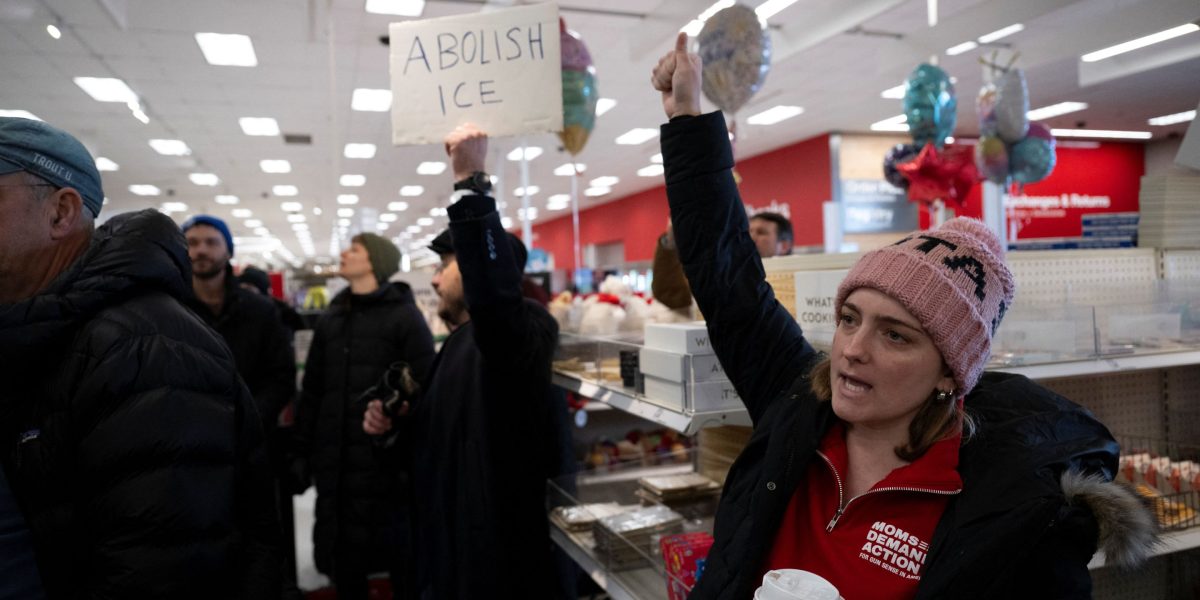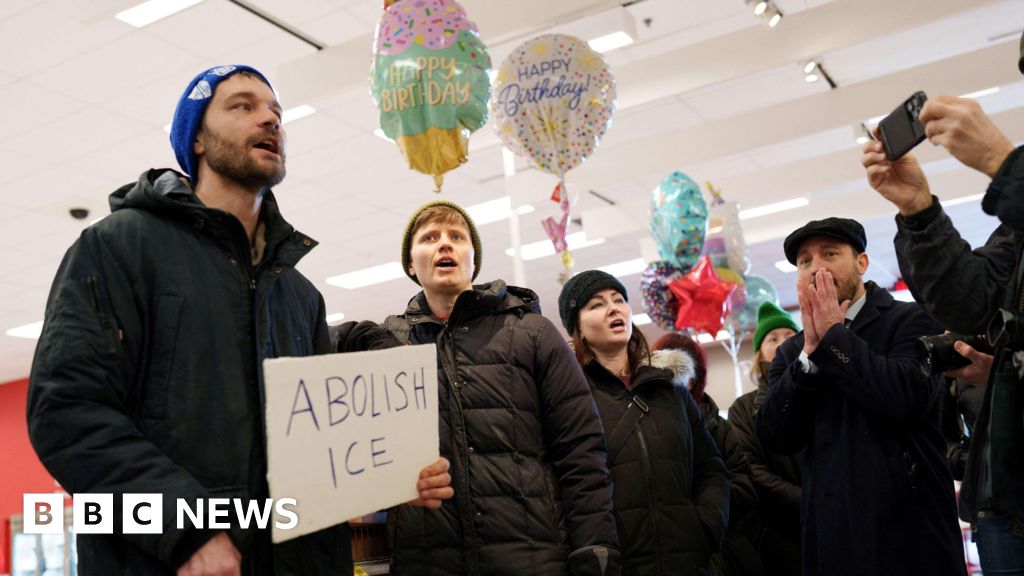
When U.S. Border Patrol agents entered a Target store in Richfield, Minnesota, in early January, detaining two employees, it marked a new chapter in the relationship between corporate America and the federal government.
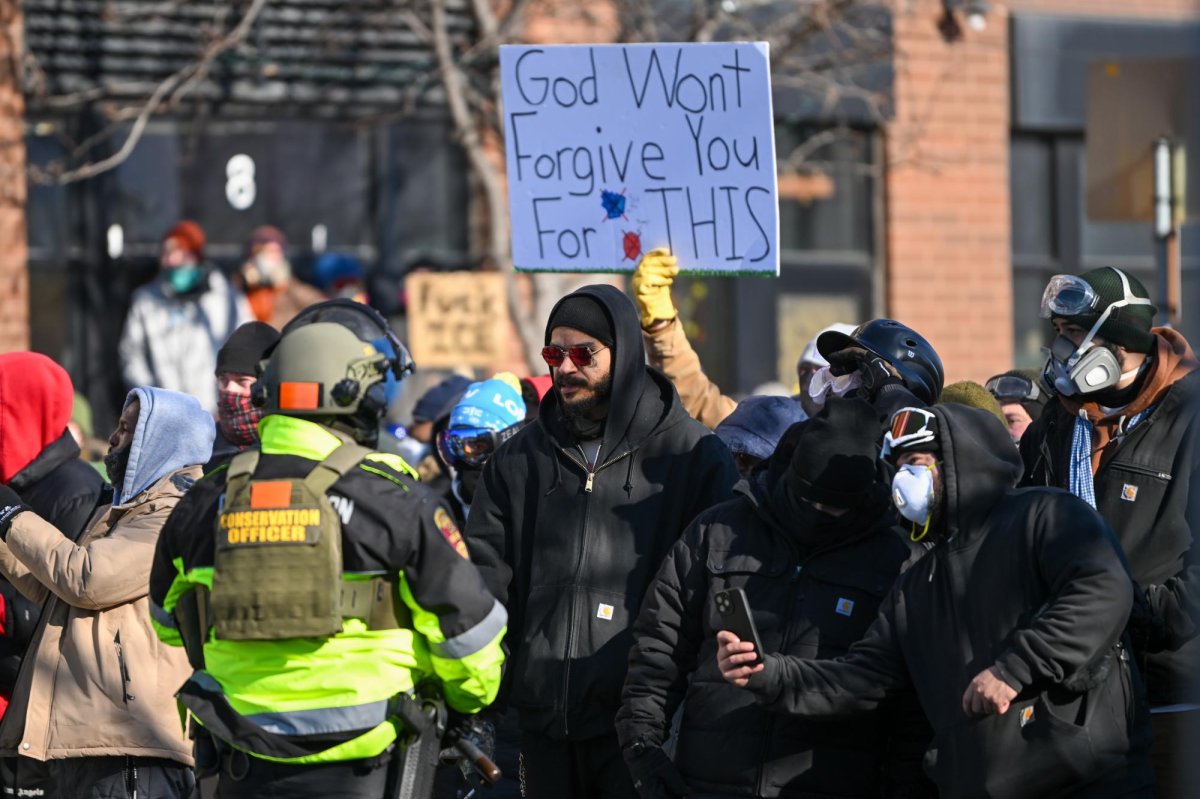
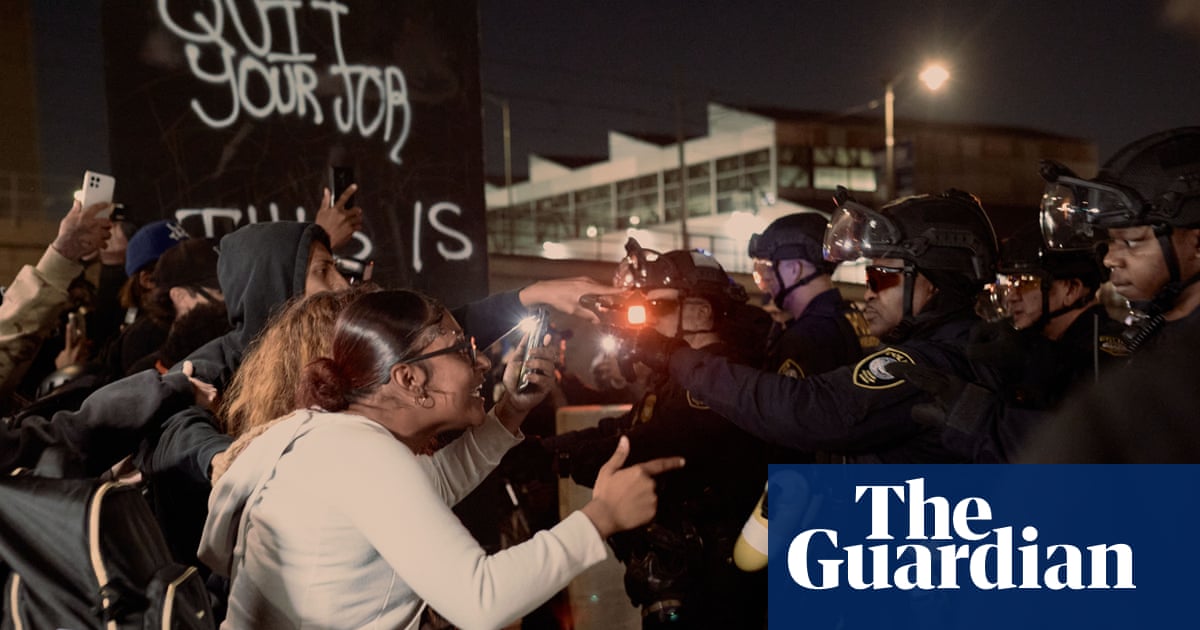
Across the Twin Cities, federal immigration enforcement operations have turned businesses into sites of confrontation — with agents in store parking lots rounding up day laborers, armed raids on restaurants and work authorization inspections conducted in tactical gear.
Some retailers report revenue drops of 50% to 80% as customers stay home out of fear. Along Lake Street and in East St. Paul, areas within the Twin Cities, an estimated 80% of businesses have closed their doors at some point since the operations began.
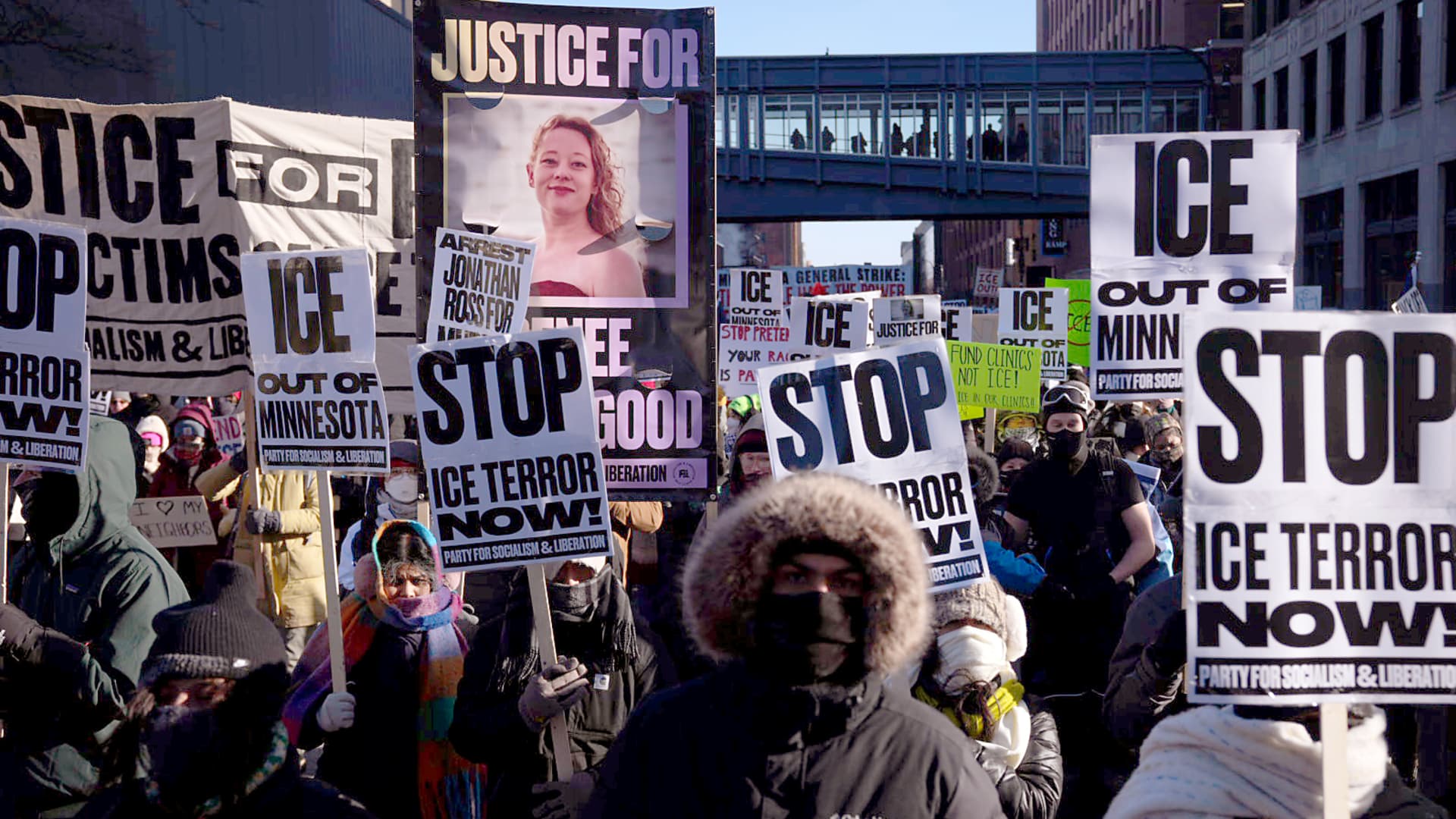
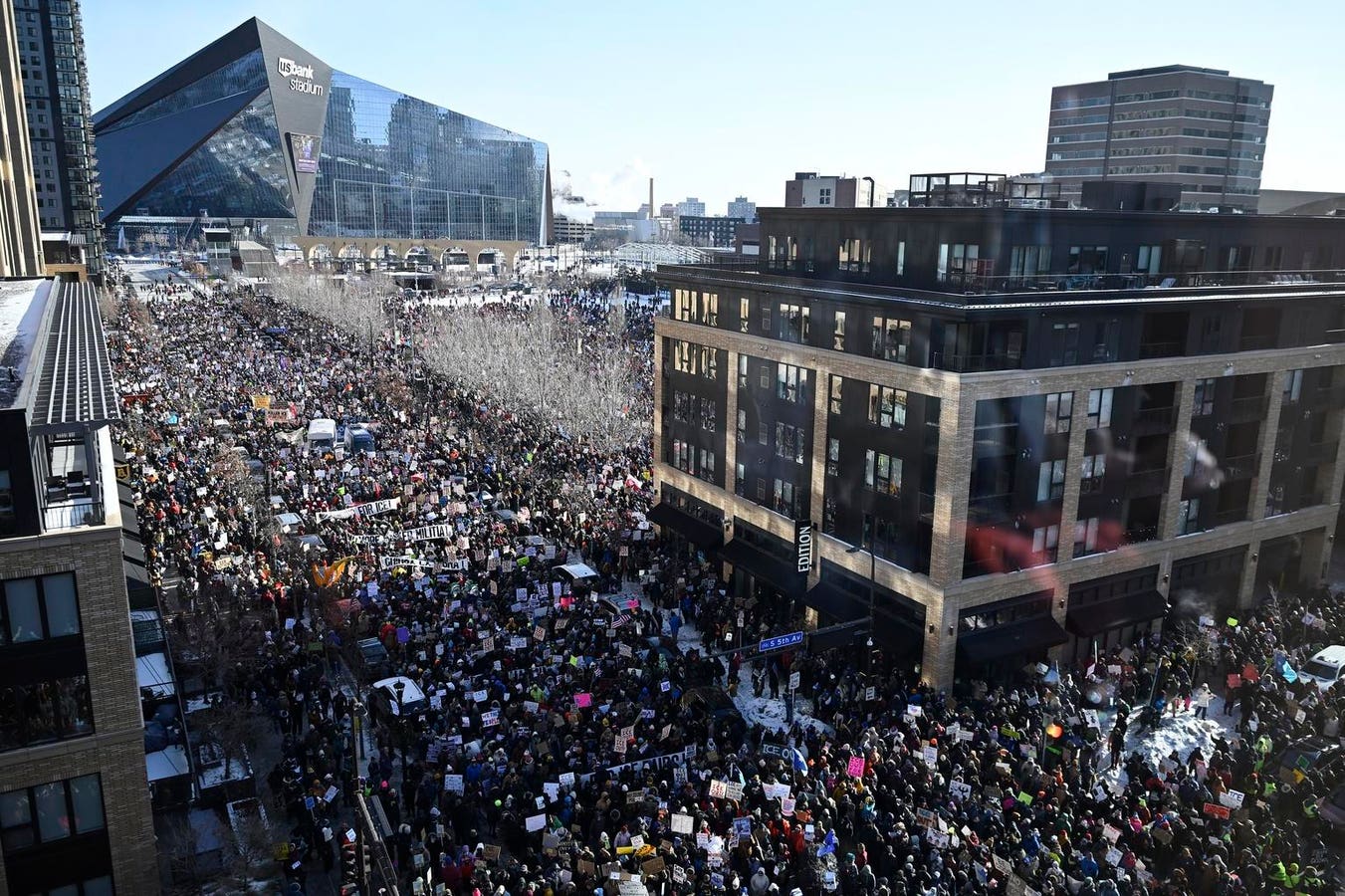
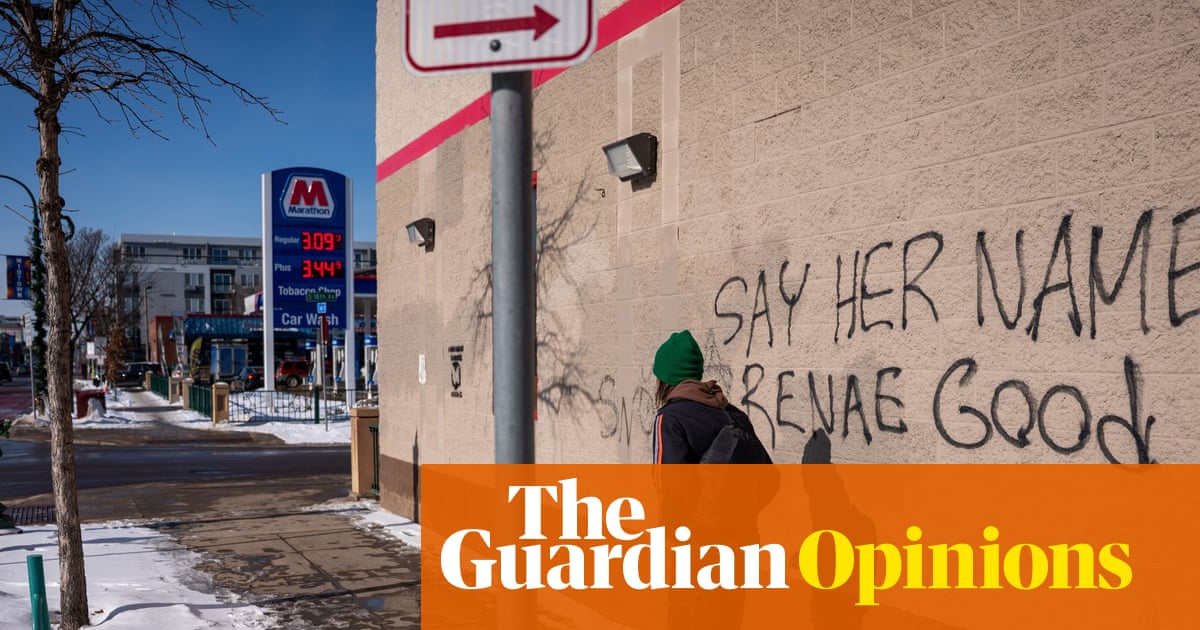
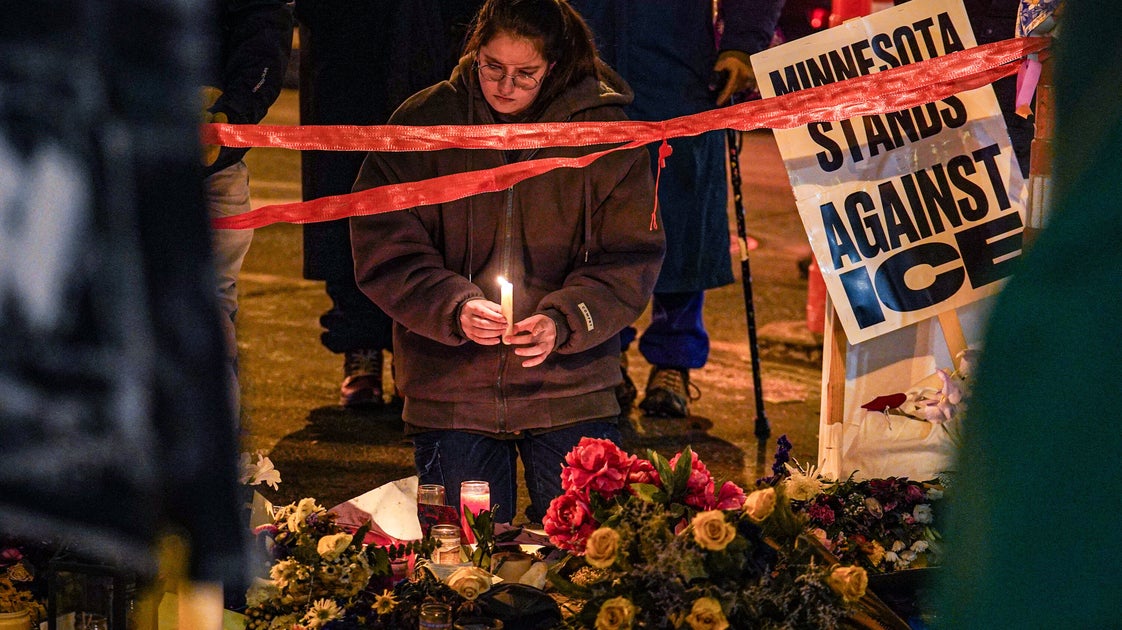
Then came the killing of U.S. citizens Renee Good and Alex Pretti, the latter of which came a day after widespread protests and a one-day business blackout involving over 700 establishments.
The response of corporate America to those killings was instructive — both for what was said and left unsaid. After the Pretti killing, more than 60 CEOs from Minnesota’s largest companies — Target, 3M, UnitedHealth Group, U.S. Bancorp, General Mills, Best Buy and others — signed a public letter organized by the Minnesota Chamber of Commerce. The letter called for “peace,” “focused cooperation” among local, state and federal officials, and a “swift and durable solution” so that families, workers and businesses could return to normal.