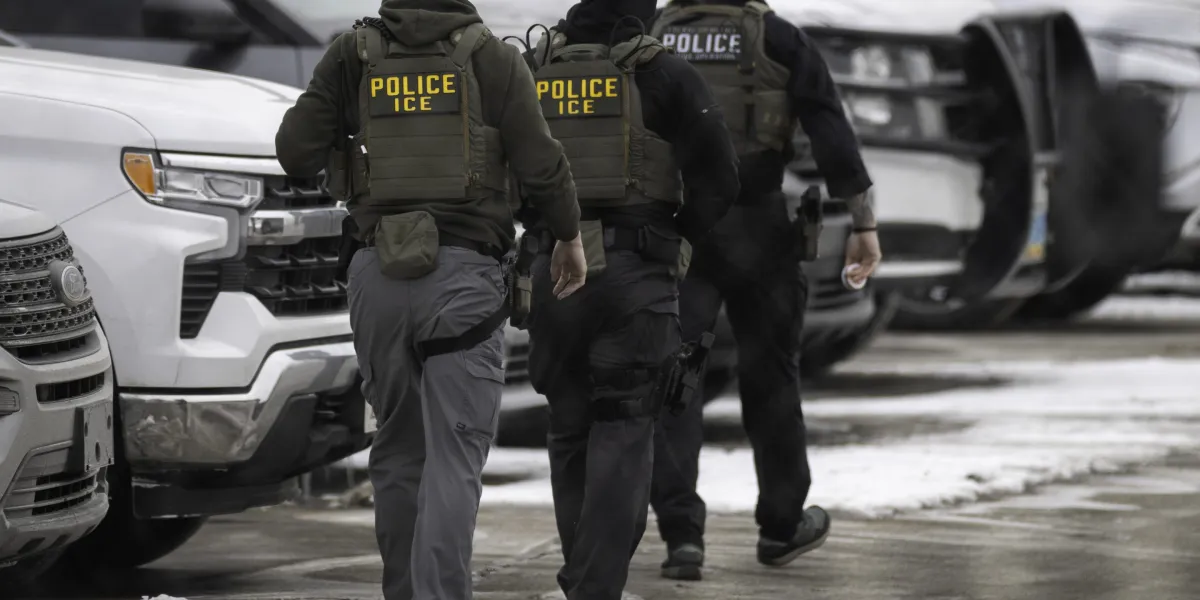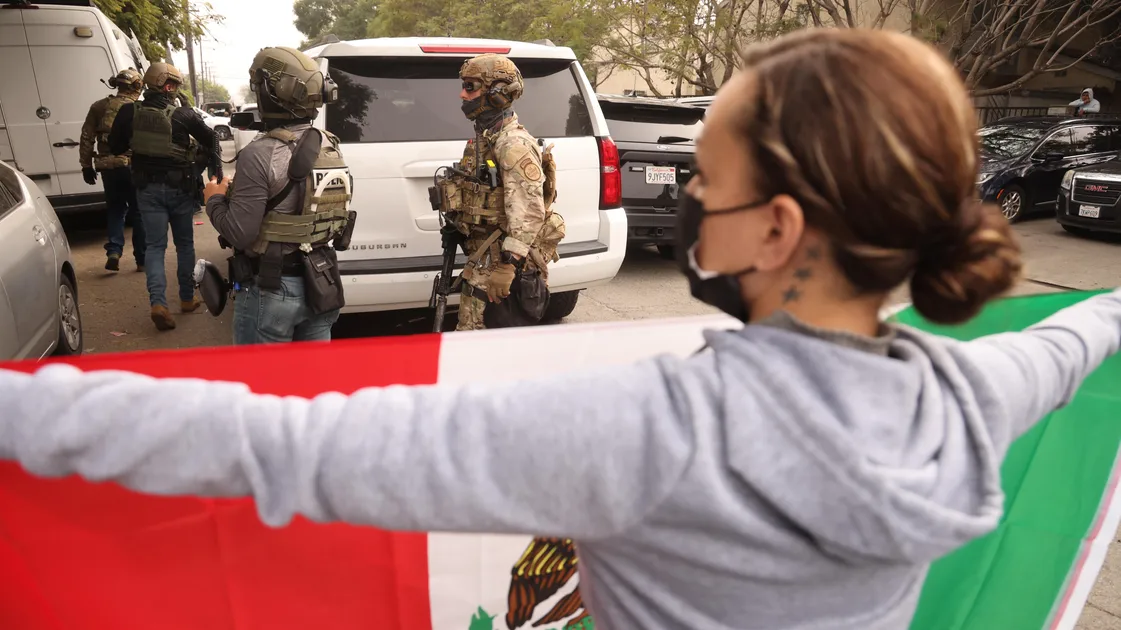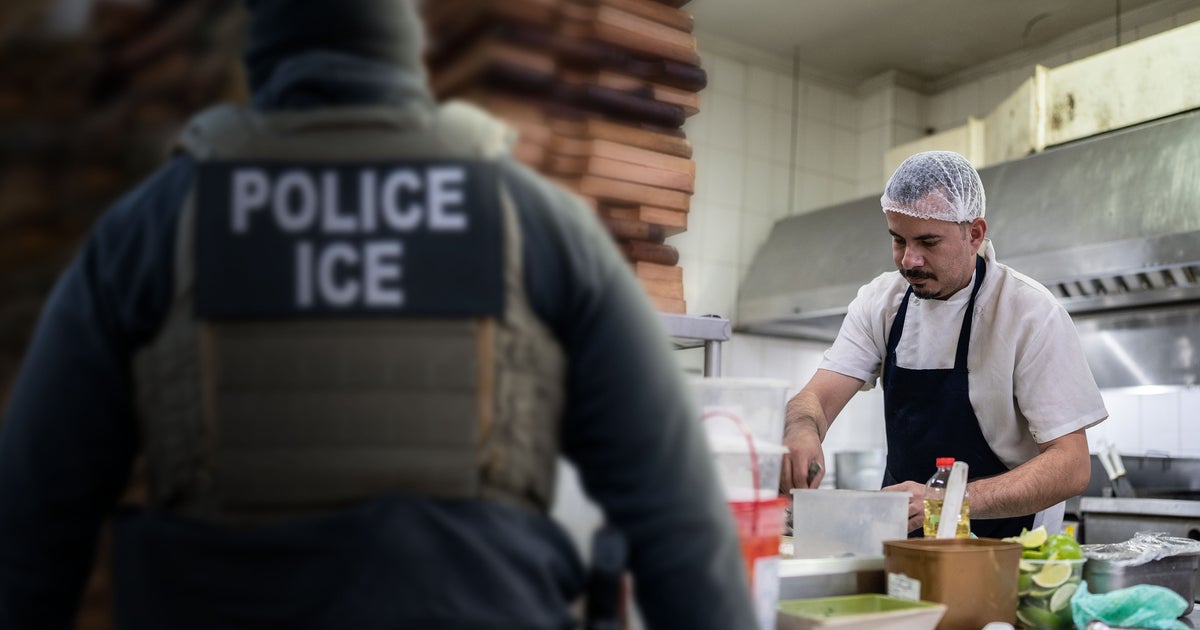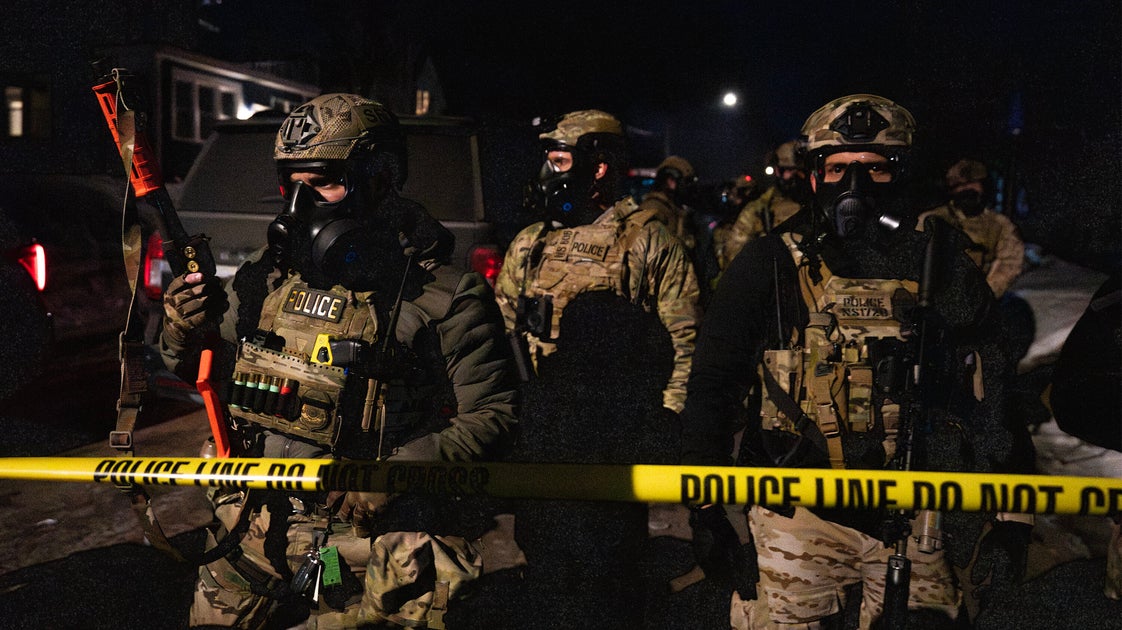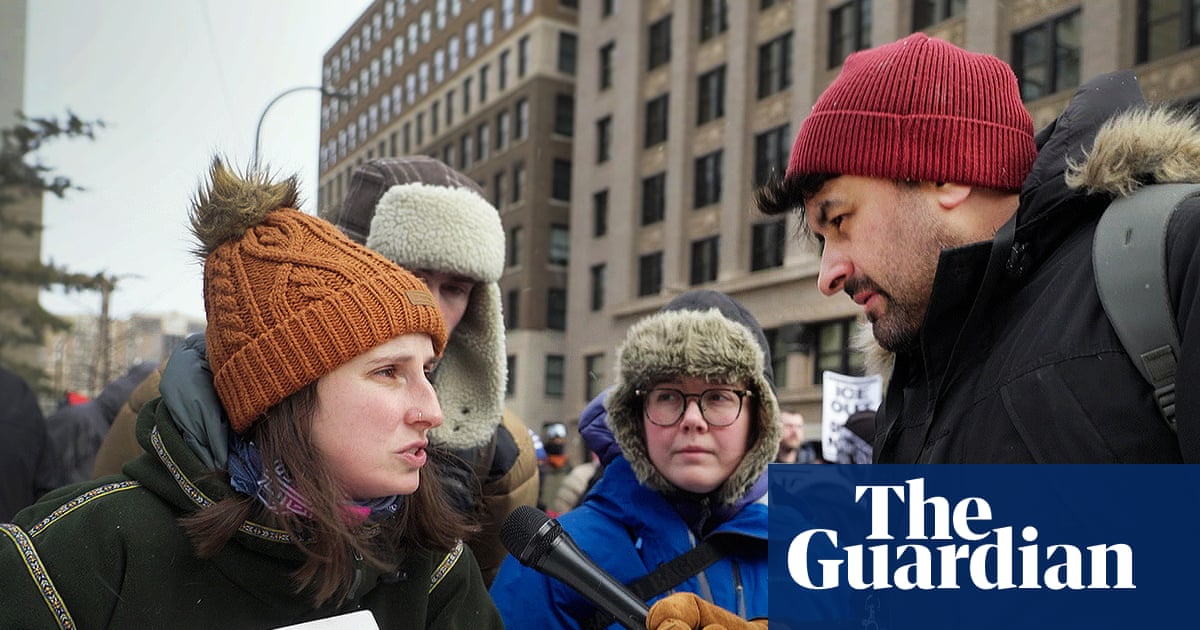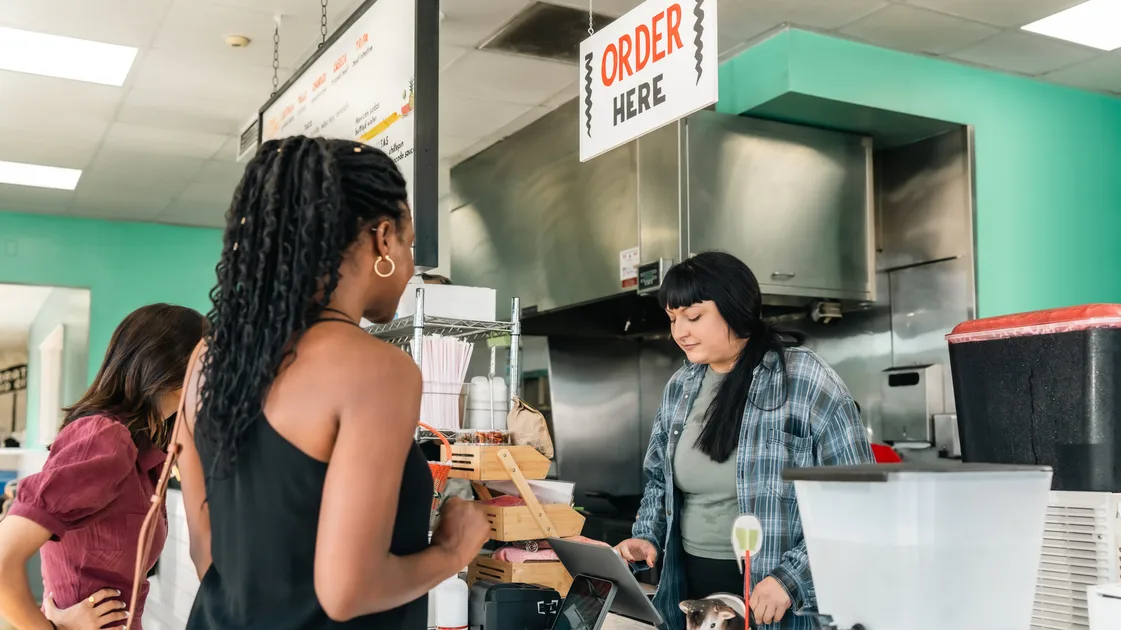
Just a week after the killings of Renee Good and Alex Pretti in Minnesota, Americans were horrified to learn of an incident where four ICE agents enjoyed a meal at a Minnesota Mexican restaurant only to raid it hours later. The hypocrisy was stunning, and with all eyes on this region, this story made national headlines.Yet it’s one of many, most of which remain unreported, as immigrant-owned businesses are being targeted — a fact that has been confirmed by organizations such as 50501 Georgia — since President Donald Trump began deploying strong-arm Immigration and Customs Enforcement forces to blue cities across America in June.Ashna Khanna, executive director of social welfare organization Asian American Advocacy Fund, explains, “Because of fear of retaliation and deportation among workers, many encounters go unreported publicly” and instead are “shared anecdotally through community groups, worker centers and mutual aid networks rather than official stats.” In fact, for this story, every single chef-owner and restaurateur consulted across the spectrum — gender, race, and both naturalized and multigenerational American citizens — declined to speak on the record, even anonymously, out of safety concerns.Meanwhile, tourist boards of various parts of the country, including those outside of the major deployment cities, confirm anonymously that “ethnic” restaurants have been raided both before and during opening hours.The American Immigration Council noted just last month that federal law enforcement has increased arrests by 600%, and detainment, regardless of criminal record or cause, has gone up by 75%. And that’s just what we know. ROBERTO SCHMIDT via Getty ImagesMessages of support hang last month on the front door of a Mexican restaurant in White Bear Lake, Minnesota, after ICE agents descended on the area.Suffice it to say, it might be easier than you think to find yourself in the wrong place at the wrong time, which has made many wonder: What do you do in the event of a raid? Here’s what you need to know.1. Know Your RightsThe American Civil Liberties Union remains the leading authority for guidance on best practices during a raid and is trusted by officials such as Atlanta Mayor Andre Dickens’ Office of International and Immigrant Affairs. Especially handy is a Know Your Rights page that walks users through various scenarios.It’s best to be familiar with them in advance, as “knowing your rights ahead of time helps people respond calmly if they ever encounter a situation such as [a raid],” Khanna said. The first thing anyone should understand, says immigration attorney Victoria Slatton, is that “ICE does not have the right to enter private areas of a business without a judicial warrant.” Refusing agent entry into private areas such as a kitchen, offices or storage areas without identification and a warrant is well within the restaurant owner or manager’s right. Therefore, should you see agents entering beyond the public space of the dining room without consent, their entry is a violation, and documentation via photos or video is advisable.Additionally, all people in the U.S., regardless of citizenship status, have a right to remain silent beyond simple self-identification; to peacefully express your views; to refuse to sign any documents you don’t understand and to seek legal counsel if pressed. You also have the right to advise workers of theirs, such as asking to see the warrant that is the basis for their arrest, said Noel Nichols, director of marketing and communications for 50501 Georgia. Destinations themselves may offer additional support, which is why Felipe Garcia, president and CEO of Visit Tucson, said, “Make sure you know your resources, using the tools and community hotlines provided by the city you’re visiting.”2. Should You Stay Or Should You Go?“There is no ‘right’ social response to a stressful and unpredictable situation — people should do what they feel safest doing in the moment,” Khanna said. She and Slatton agree that your immediate safety is tantamount. “If someone believes they could be at risk of detention,” whether due to profiling or immigration status, Slatton said, “the safest option is to calmly and quietly remove themselves if possible. Avoid running or drawing attention and just leave in a normal, nonconfrontational way.” All advocacy groups interviewed emphasized the importance of calm discretion.If you’re a diner and decide to leave, ask for the check if possible. If not, pay an estimation of your bill and gratuity in cash if you have it, or be sure to return later to close out. As Garcia said, we should “do what is fair to the restaurant owners,” especially during what is clearly a bad day.“That said, these situations can be unpredictable, and we have seen an increase in the use of force during some enforcement actions,” Slatton said. You can always change your mind and go quietly.Anadolu via Getty ImagesICE officers question a man's status in December near a Somali mall in Minnesota. 3. What To Do (And What Not To Do) If You StayTo protect restaurant workers, Khanna suggests that restaurants post Know Your Rights information in common areas in languages spoken by staff and patrons; provide staff training emphasizing calm and how to ask for a warrant; make sure every staff member has an emergency contact filed; and avoid keeping unnecessary personal or immigration-related documents on site, as “ICE often looks for records during enforcement actions and keeping only what is legally required can reduce risk.”If you’re a diner, “The most important role bystanders can play is being witnesses and helping ensure the person taken into custody is not forgotten,” Slatton said. Documenting what you see helps create accountability, which can make all the difference later in court. She said, “If it is legal in your state, you can record video” — from at least 10 feet, Garcia advises — “take notes about the time, location, and number of agents, and look for badge numbers or agency names. That information can be very helpful to attorneys and family members later.”If you choose to record, keep your hands visible, narrate quietly and record continuously, as the latter maintains clarity of record. Nichols said a good stopping point is after all agents have left in their vehicles so that you have shots of their cars and license plates.She also notes that “ICE agents may not confiscate your phone or demand that you not photograph or video them. If they make requests that are not legal, you will have to decide based on your comfort level whether to comply or assert your rights.” In the case this happens, she suggests reporting it to your local community groups.If things continue going sideways to the point that the situation becomes physical, Slatton warns, “your rights to defend yourself are very limited when law enforcement is involved. … You cannot use force against officers, even if you believe the arrest or detention is unjust or aggressive.” “Intervening is automatically ‘obstruction’ at minimum and allows ICE to justify any amount of force they may take in response,” Nichols added. This can lead to criminal charges, even if the officer’s actions were improper, and “is sure to escalate the situation,” which puts everyone in danger.It can also negatively impact the person you may be trying to protect as they navigate the legal aftermath. Slatton said, “Courts generally expect people to challenge misconduct later through legal channels, not in the moment. And even though ICE doesn’t have jurisdiction over U.S. citizens on paper, civilians cannot interfere with an arrest; I think we’ve all seen what happens when they even perceive interference.”Slatton continued, “If an officer uses force, the safest legal option is to stay calm, avoid escalation and comply as much as possible while clearly stating you do not consent and wish to remain silent,” she emphasized.After you leave, Slatton suggested that customers can report the incident to a local immigrant rights hotline or rapid response network, and Nichols added that you may also notify surrounding businesses and neighborhoods as to what is happening, advising businesses with vulnerable employees to lock their doors or go home. And if you’re a patron, keep supporting your local restaurants.“One important thing to keep in mind is that many immigrants right now are struggling with their normal day-to-day routines. Some are afraid to leave their homes,” Slatton said. “That fear has ripple effects. Local restaurants and small businesses, many of which rely on immigrant workers and customers, are likely feeling the impact. Being intentional about where you spend your money can make a difference. Supporting local, immigrant-owned or -staffed businesses is a practical way to show solidarity and help keep those community spaces alive.”
What To Do If ICE Raids A Restaurant You’re In
Experts share what to know (and do) if the unexpected were to happen, whether you're a worker or a diner.
1,423 words~6 min read