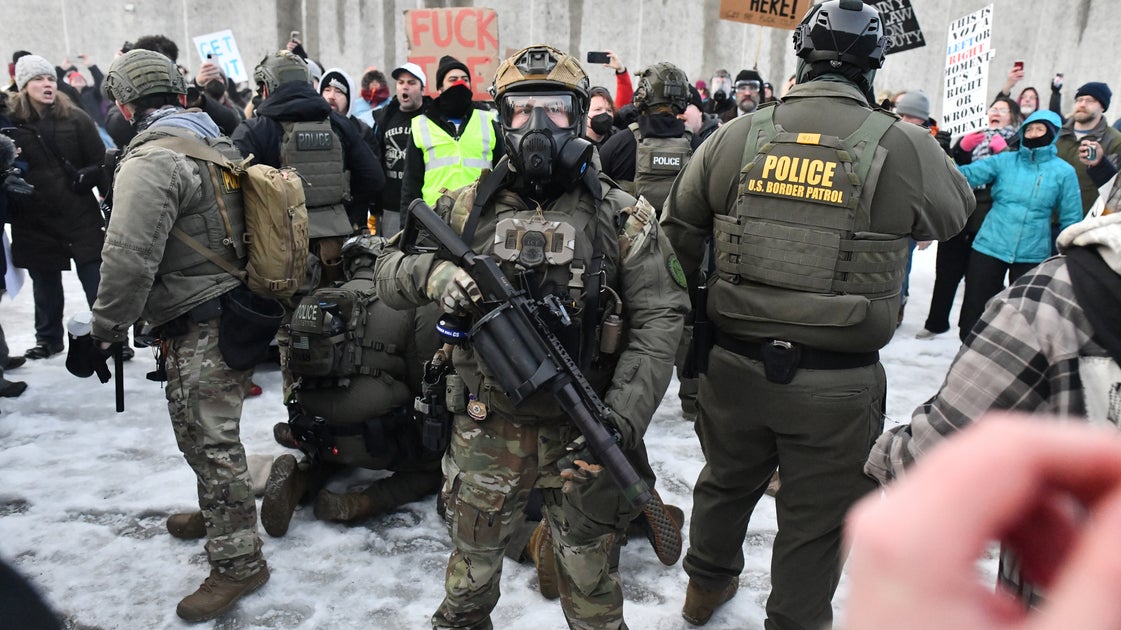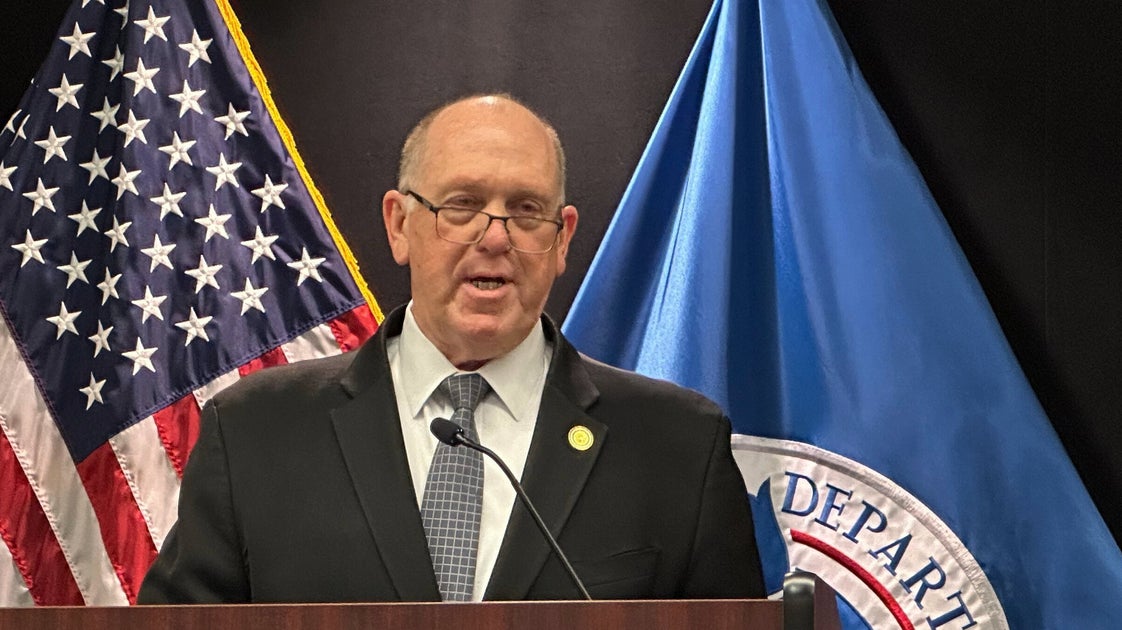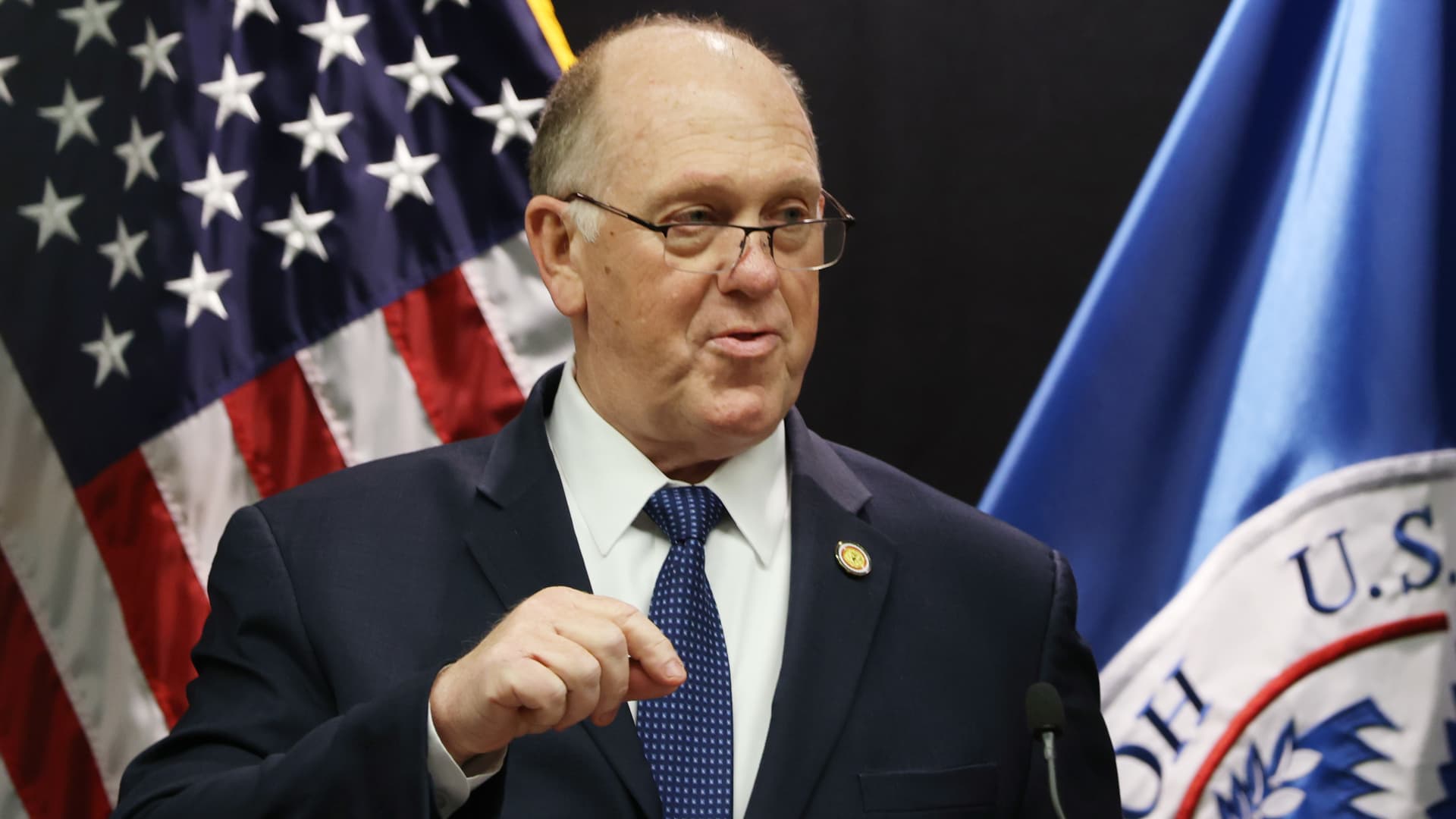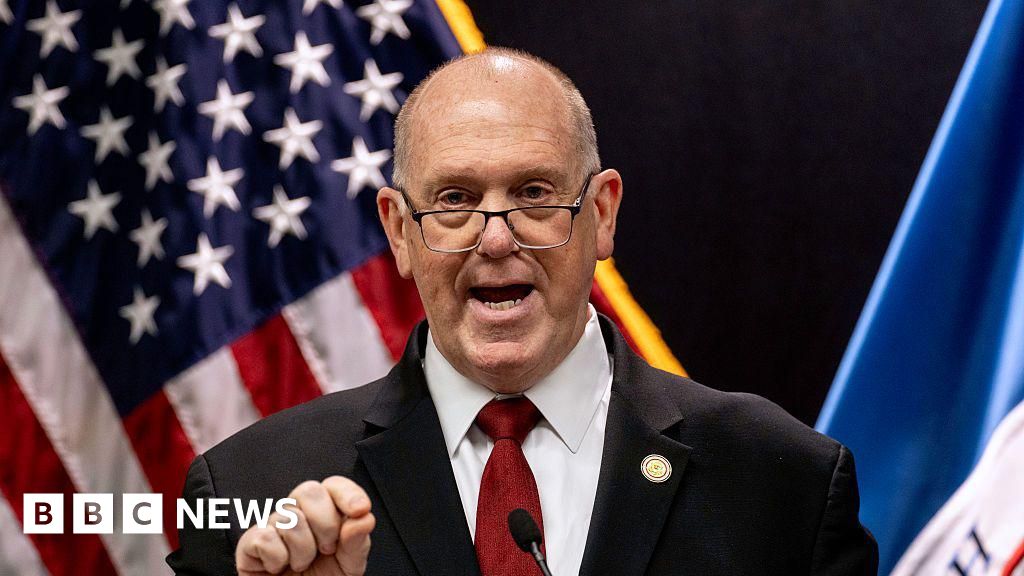
On February 12, Tom Homan, the so-called "border czar" and special adviser appointed by Donald Trump in 2024 to lead his anti-immigration policy, announced the end of a major police operation known as"Metro Surge" that targeted the arrest and expulsion of undocumented immigrants in Minnesota. The operation mobilized more than 3,000 agents from the United States Immigration and Customs Enforcement (ICE) and the United States Customs and Border Protection. While it resulted in nearly 4,000 arrests, including 2,000 expulsions, it also led to the deaths of two American citizens.
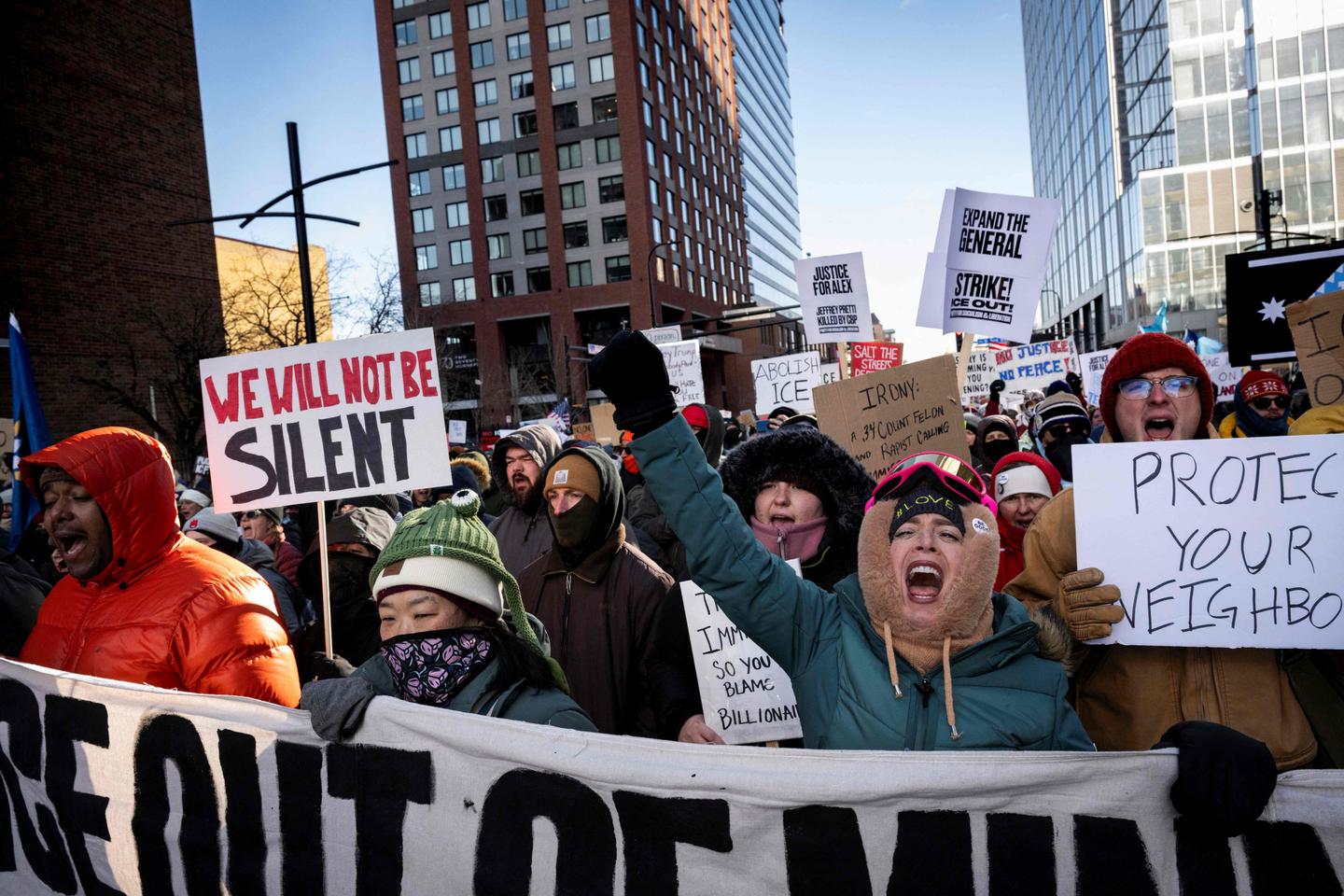
Designed as a show of federal government strength against local asylum policies, the operation was intended to make Minnesota a laboratory for political intimidation. Instead, it turned into a setback for the Trump administration, which failed to impose its balance of power and faced resistance that it had not anticipated. In response to opposition that resonated nationwide, Trump was forced to announce on February 4 that going forward a "softer touch" regarding immigration might be necessary.
Many viewed this failure as a spontaneous democratic awakening; others saw it as a sign of the Democratic Party's renewal. These interpretations capture part of the reality but nevertheless lack depth. The resilience of anti-ICE networks does not stem from fleeting outrage nor simple partisan alignment; rather, it proceeds from a long-term political configuration rooted in specific migration trajectories, firmly established mutual aid infrastructures and longstanding cooperation among community organizations, labor unions and local elected officials. What unfolded in January was not an improvised reaction, but the activation of a time-tested repertoire.