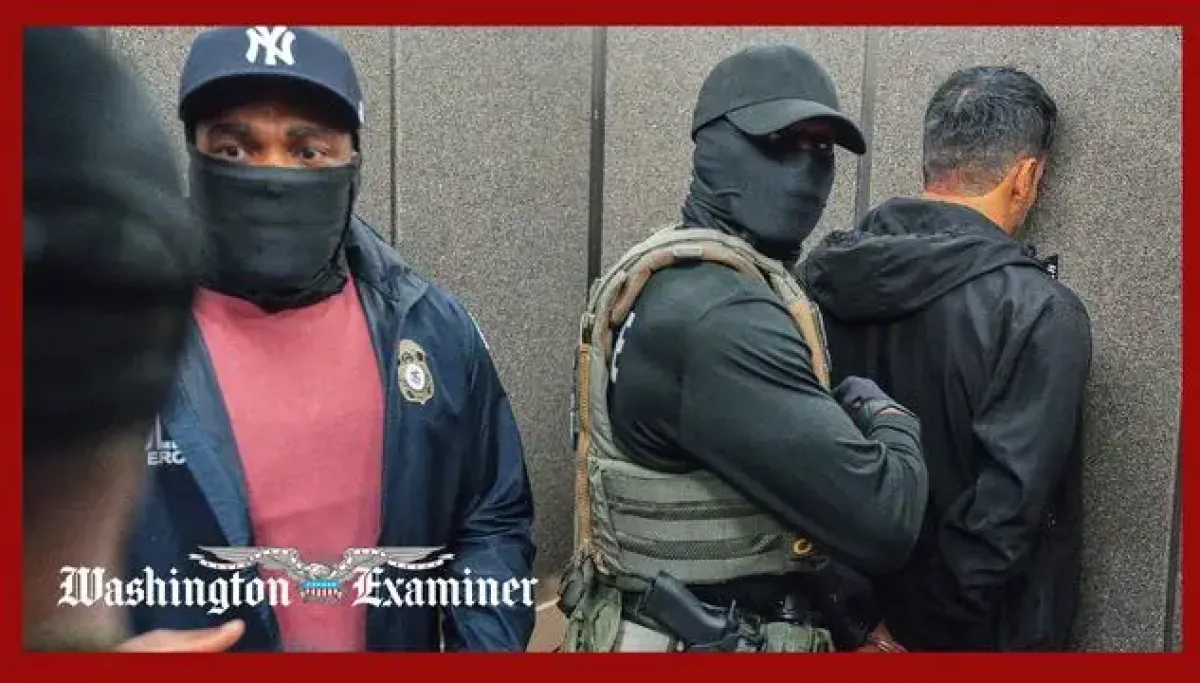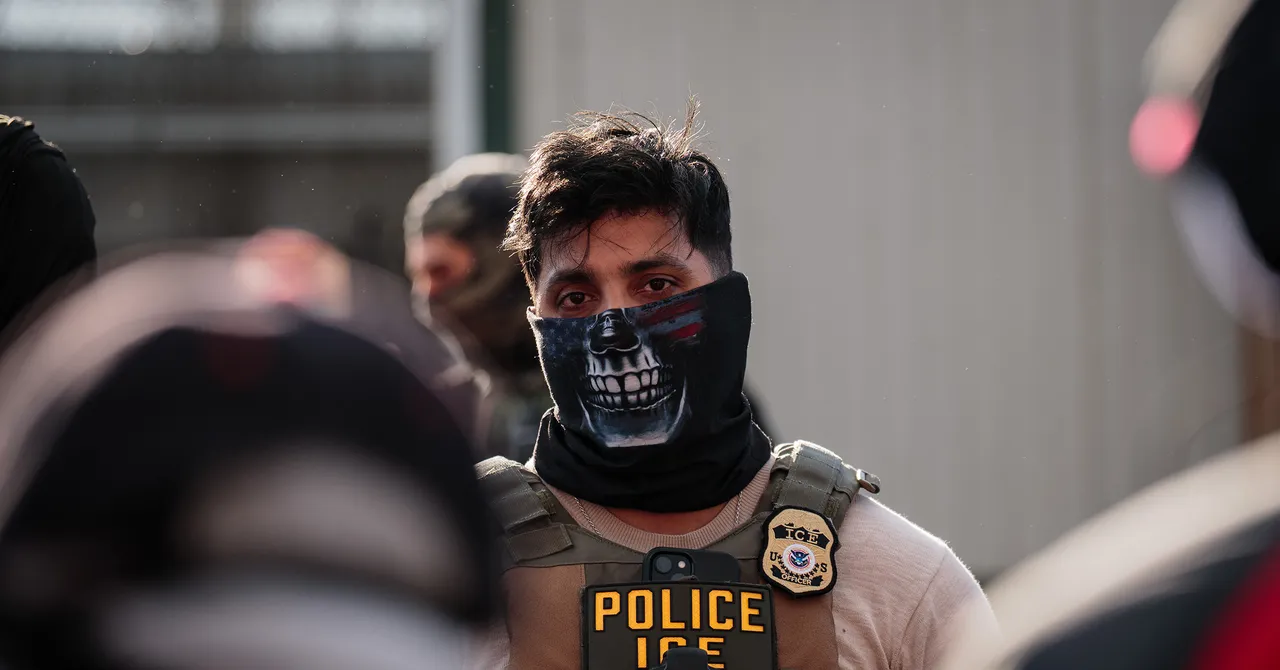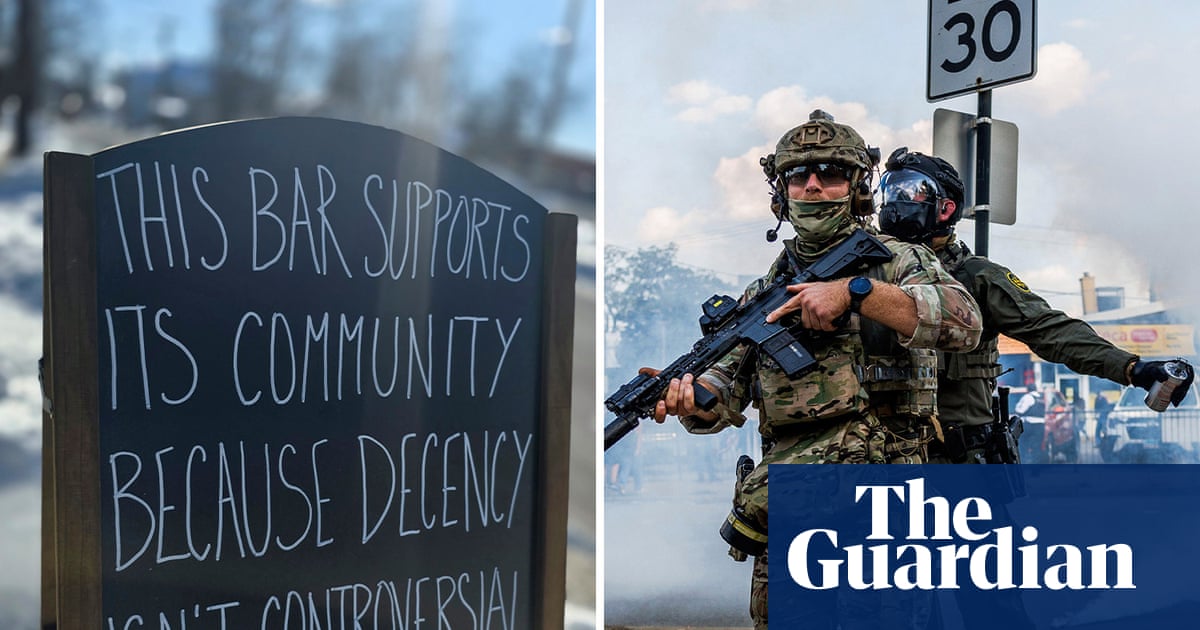
For the past year, ICE has been waging an ugly deportation campaign all across the country that has impacted everyone from American citizens exercising their First Amendment rights to, most recently, a 5-year-old boy. In some places across the country, small businesses are resisting however they can, including by displaying signs stating they will not serve ICE officers. A friend who spent a weekend in Portland, Maine, last month described, to her delight and surprise, signs on many of the small businesses’ doors — thrift stores and coffee shops in particular — announcing that ICE is not welcome inside. There’d recently been a swell in the presence of law enforcement in the area, and the liberal-leaning community at large was distressed. While Southern Maine is predominantly white, there are pockets of immigrant communities, many from Somalia, Sudan, Iraq, and Iran, that live in the area.The signs feel like a powerful and effective way to help protect their communities, but I wondered: Are they allowed to refuse service to ICE officers? Many of the signs specifically read, “ICE agents may not enter private areas without a judicial warrant.” There seems to be some confusion, however, about whether private businesses are legally allowed to ban law enforcement from entering their establishments. Last month, the gym chain Crunch Fitness went viral after an internal letter from its El Paso, Texas, location urging employees to cooperate with ICE officers and to “follow orders” was leaked. The memo went viral, and while some community members called for members to cancel their memberships, others claimed that the gym was simply notifying its employees what they were legally required to do. Last week, one Crunch location posted on its Instagram account, vaguely distancing itself from the franchise responsible for the memo, while also doubling down on its intent to follow the law. To iron out the intricacies of what is actually allowed, I reached out to legal experts to find out whether a business can technically deny entry to ICE officers and, if so, in which specific circumstances they’re able to do so.Without a warrant, an ICE officer can enter a business itself, but would need explicit verbal permission from the business owner to enter a private area located inside that business, says Jamene Christian, an attorney and member of the American Immigration Lawyers Association who practices in Georgia and Connecticut. These areas often include employee-only locker rooms, break rooms, storage areas, or back-of-house kitchens. Business owners can indicate that an area is private by putting up “Private” signs and having written internal policies stating that visitors and the public cannot enter certain spaces. However, ICE can freely enter areas open to the general public, such as lobbies, reception areas,and public retail spaces. “But keep in mind, even if ICE has made entry into a public space, the business owner can and should always demand that ICE leave the premises,” Christian says. Moreover, if an ICE officer does have a warrant, it must be signed by a judge and clearly state the specific court that issued it, says Brandon Tillman, an Illinois-based attorney who specializes in civil and criminal litigation. Christian adds context: “If the warrant is found to be erroneous, lacking in specificity or fraudulent, the owner may indeed be able to make a successful legal challenge to the unauthorized search and the evidence discovered during the unlawful search.” In other words, business owners should still challenge ICE and ask them to leave if they see fit — even if they appear to have a warrant, because most people who are not intimately familiar with the law won’t recognize what a valid warrant looks like.Another instance in which an ICE officer could enter is if an emergency requires immediate entry to prevent harm, such as if a suspect is trying to escape or destroy evidence that would hinder legitimate law enforcement efforts.For business owners worried about ICE’s presence, both Tillman and Christian recommend informing staff of their rights, including how to read and interpret warrants, and being very explicit about which areas of the business are private and not accessible to the public. “Consent, or rather lack of consent, is best affirmatively asserted. Although silence alone does not automatically constitute consent, failure to object or clarify that an area is not open to the public could later be argued as consent to enter,” Tillman says.It’s also essential for everyone employed at a business to be able to tell the difference between a judicial warrant and an administrative warrant, the latter of which is a legal document that authorizes an arrest but does not allow law enforcement to enter a private area. An administrative warrant usually has the seal of the Department of Homeland Security or the Department of Justice and is signed by an immigration official (rather than a judge).While delving into this topic, I also wondered whether putting up a sign denying ICE officers entry was actually calling more attention to that business and putting undocumented staff or patrons in danger. But then again, if enough businesses put up signs, then maybe it becomes more of a community-wide action rather than signaling out a specific business to ICE. Christian believes that displaying these signs can actually protect a business and deter ICE from thinking they will be able to make an easy arrest. “When a government enforcement agency knows that a citizen is aware of [their] rights, the enforcement agency will either make sure that paperwork is in order before targeting and interacting with the business owner, or move on to another business owner who, because there is no signage denying entry, will probably allow for non-authorized and illegal entry, inspections and or arrests,” she says.While immigration enforcement continues to spark fear and confusion, legal experts say the rules are actually pretty clear, and ICE officers thrive best in situations where people are not fully aware of their rights. For business owners, understanding that it’s fair to lawfully push back may be one of the most important protections they and their employees have.
This Bold Gesture Is Meant to Protect Employees From ICE — But Does It Work? Legal Experts Weigh In.
There’s confusion over whether private businesses can protect their employees with these signs.
1,008 words~5 min read