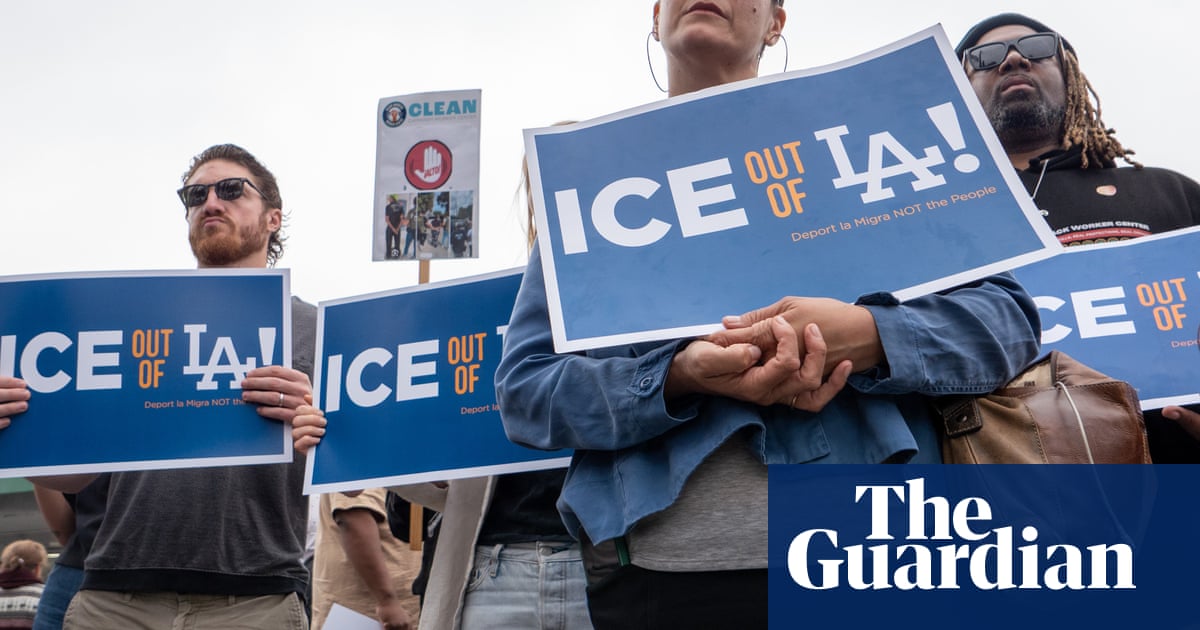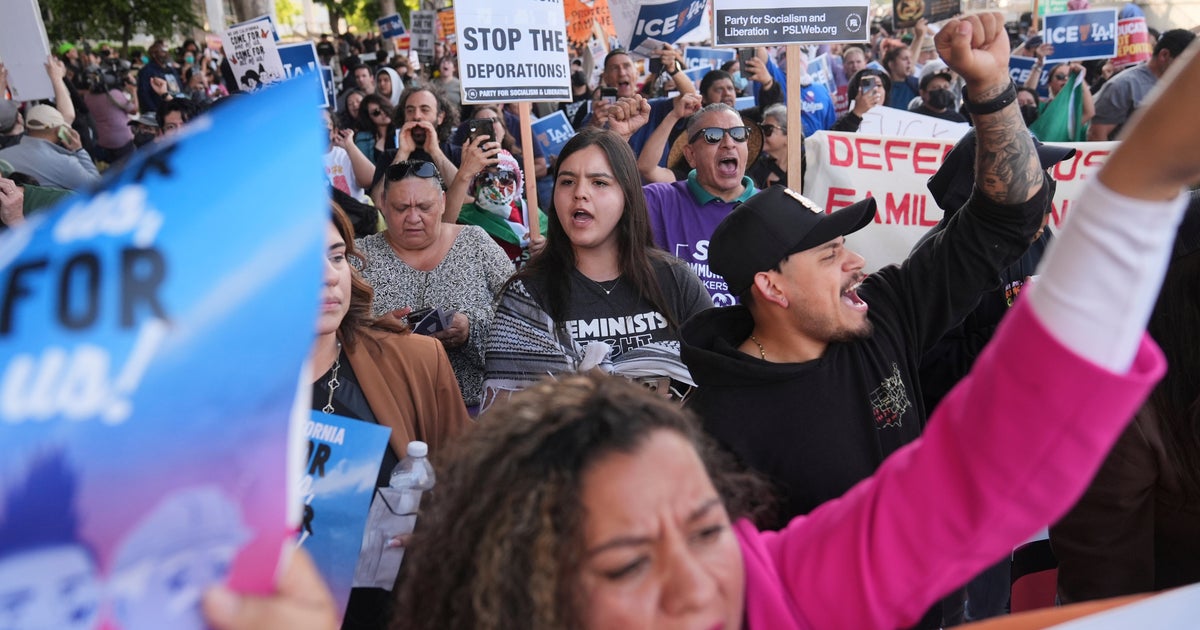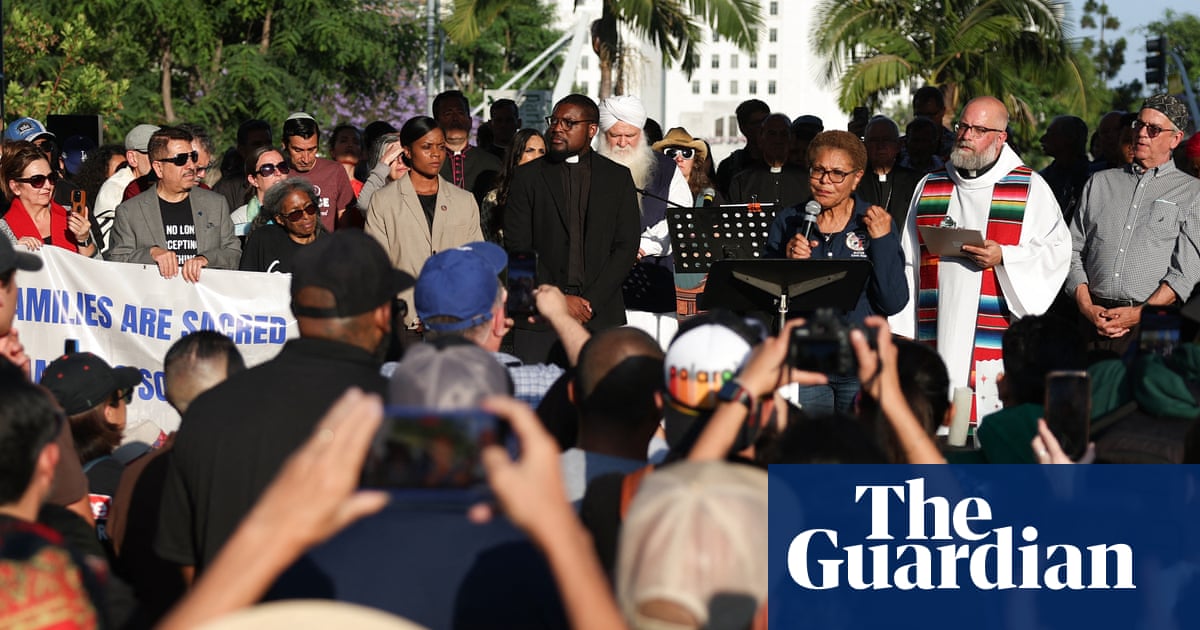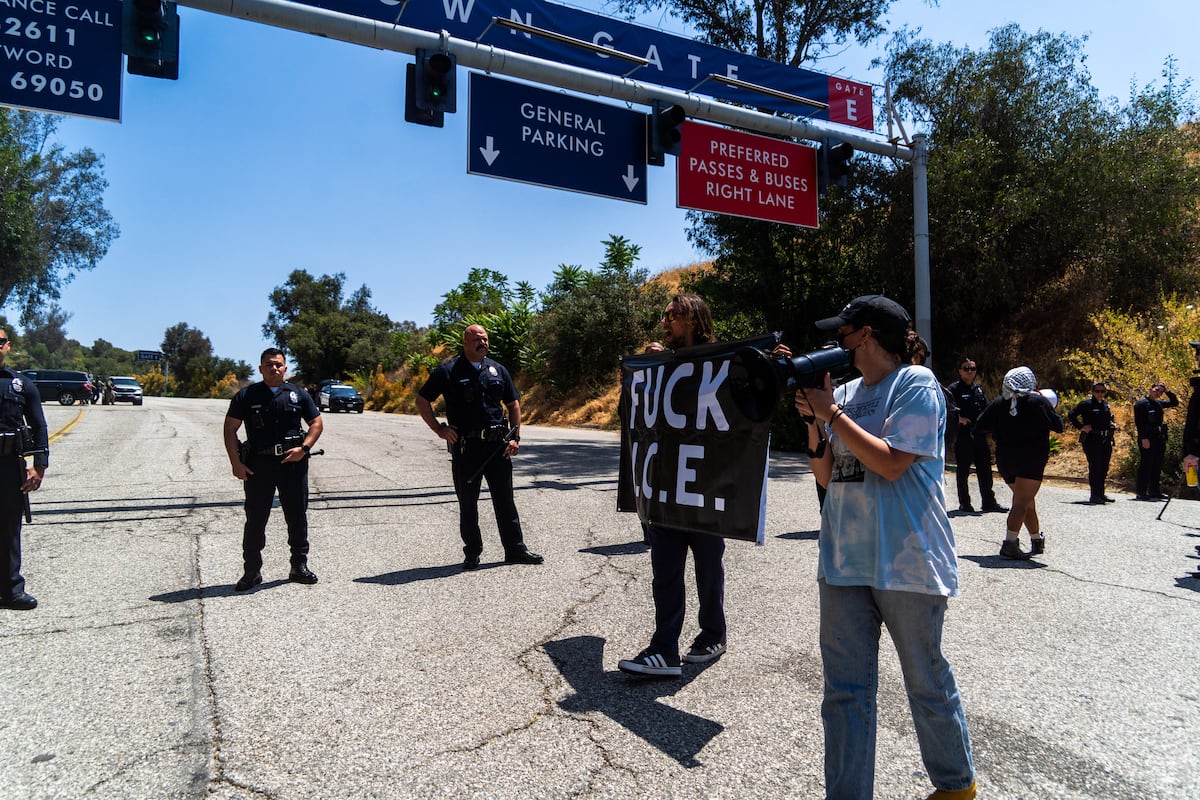
When federal immigration officers swarmed Los Angeles in June to carry out mass deportations, Magda’s income dried up almost overnight. For years, she had supported her family by selling Guatemalan food outside the Guatemalan consulate in Frogtown. But as word spread of “la migra” snatching people off the streets and disappearing them to far-flung detention centers, Magda’s customers stayed inside. Eventually, the little money she was able to make didn’t justify the risk of being kidnapped, and she started staying home too.
Magda, who asked to be identified by only her first name, received her first eviction notice in July. By the time the court summons came in October, she had lost hope. People facing eviction in Los Angeles are not entitled to legal representation, and despite calling various agencies and organizations seeking assistance, Magda felt she had reached a dead end. After living in Los Angeles for 13 years, she self-deported to Guatemala.
Los Angeles County, with a population that is nearly half Latino, is a key part of the Trump administration’s mass deportation agenda. Random arrests, detentions and deportations have been relentless since federal immigration officers were deployed there in June, even as Immigration and Customs Enforcement and Customs and Border Patrol have taken their operations to other cities. In September, the Supreme Court greenlit federal agents’ practice of deploying roving patrols to arrest people based on their race, spoken language and place of work — making Spanish-speaking street vendors and day laborers particularly vulnerable to detention and deportation.