T
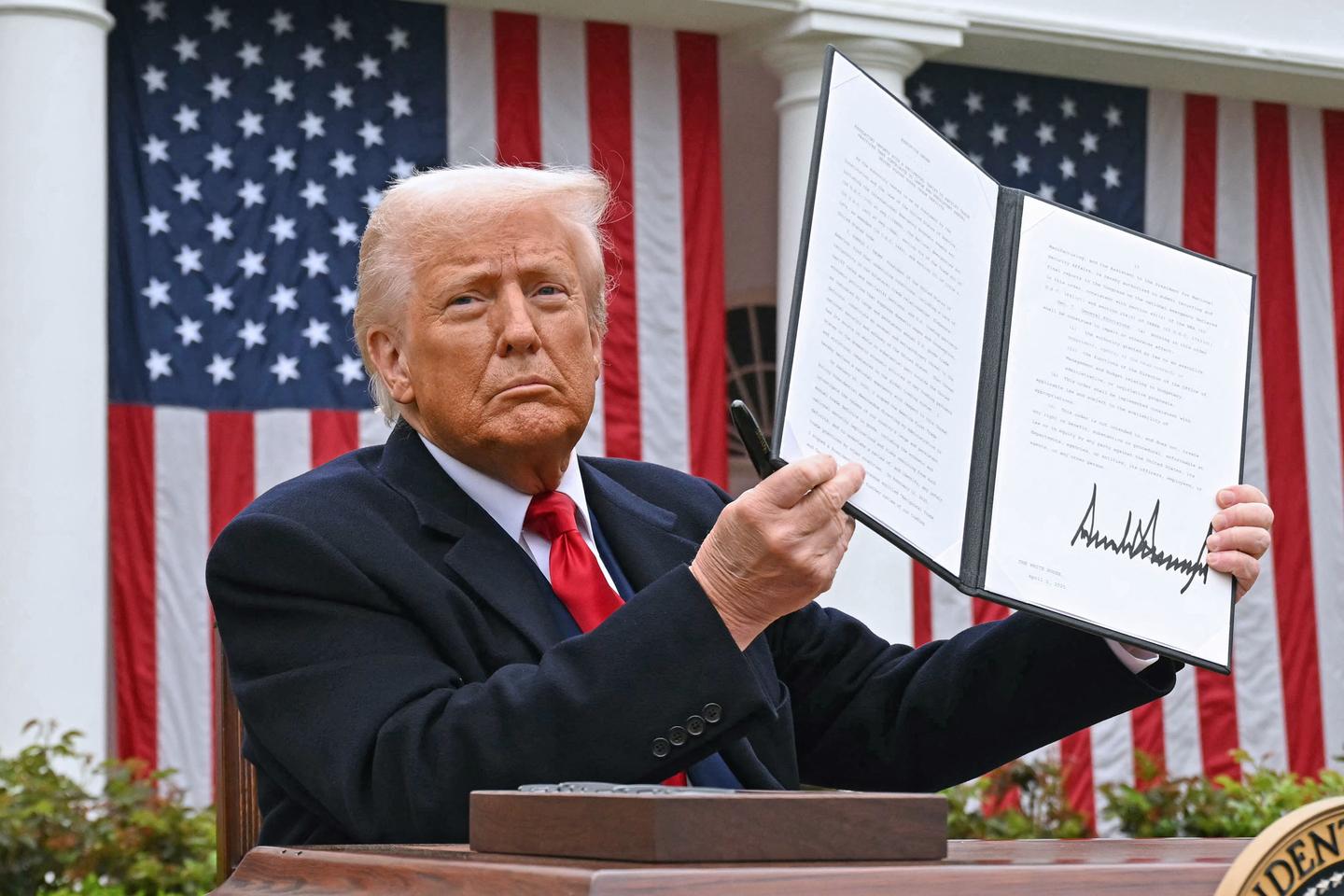
homas Paine, one of the most ardent supporters of American republicanism, did not hesitate to write in his 1776 best-seller, Common Sense, "In America, the law is king." Donald Trump has just learned that lesson the hard way: The law is king, or rather, the law as interpreted by the Supreme Court. The term "tariff," in the sense of customs duties, was the billionaire's favorite word in his imaginary dictionary. He did admit, however, that "God," "religion" and perhaps also "love" took precedence. But because he had based most of his foreign policy on the use of punitive tariffs, negotiable at the discretion of the customer or the country targeted, Trump has just suffered a tremendous setback.
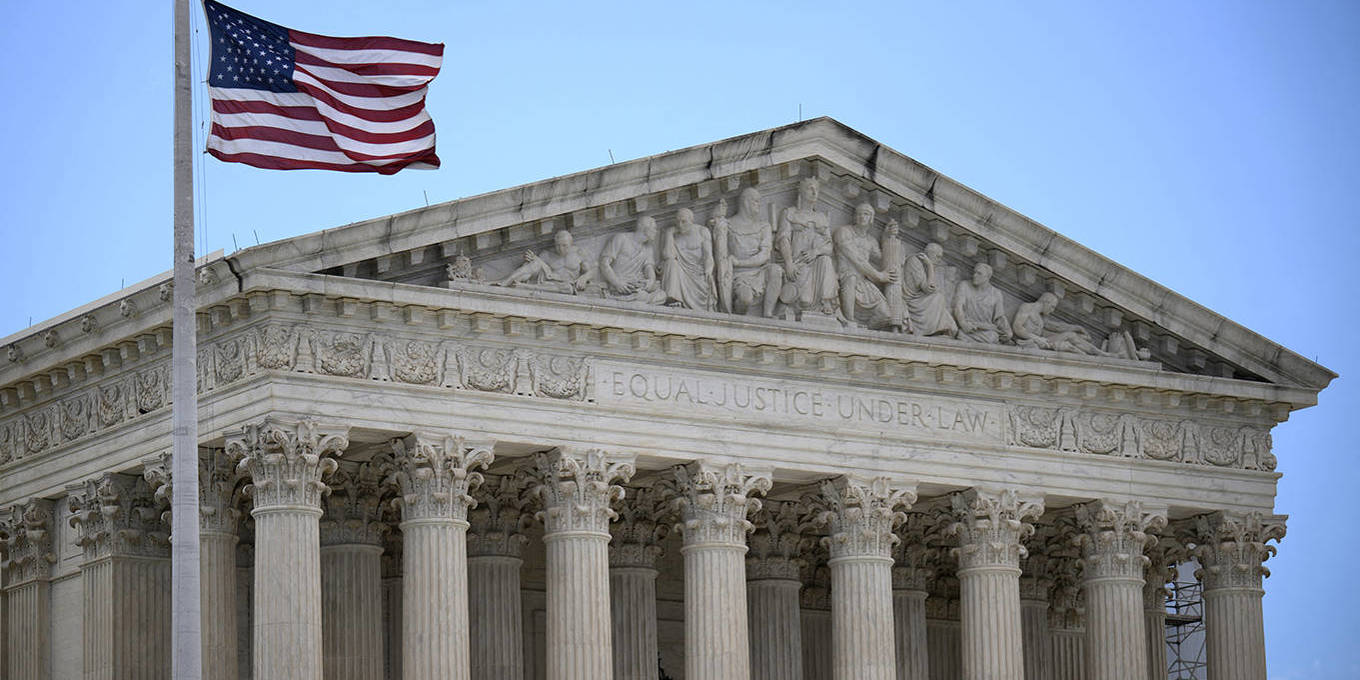
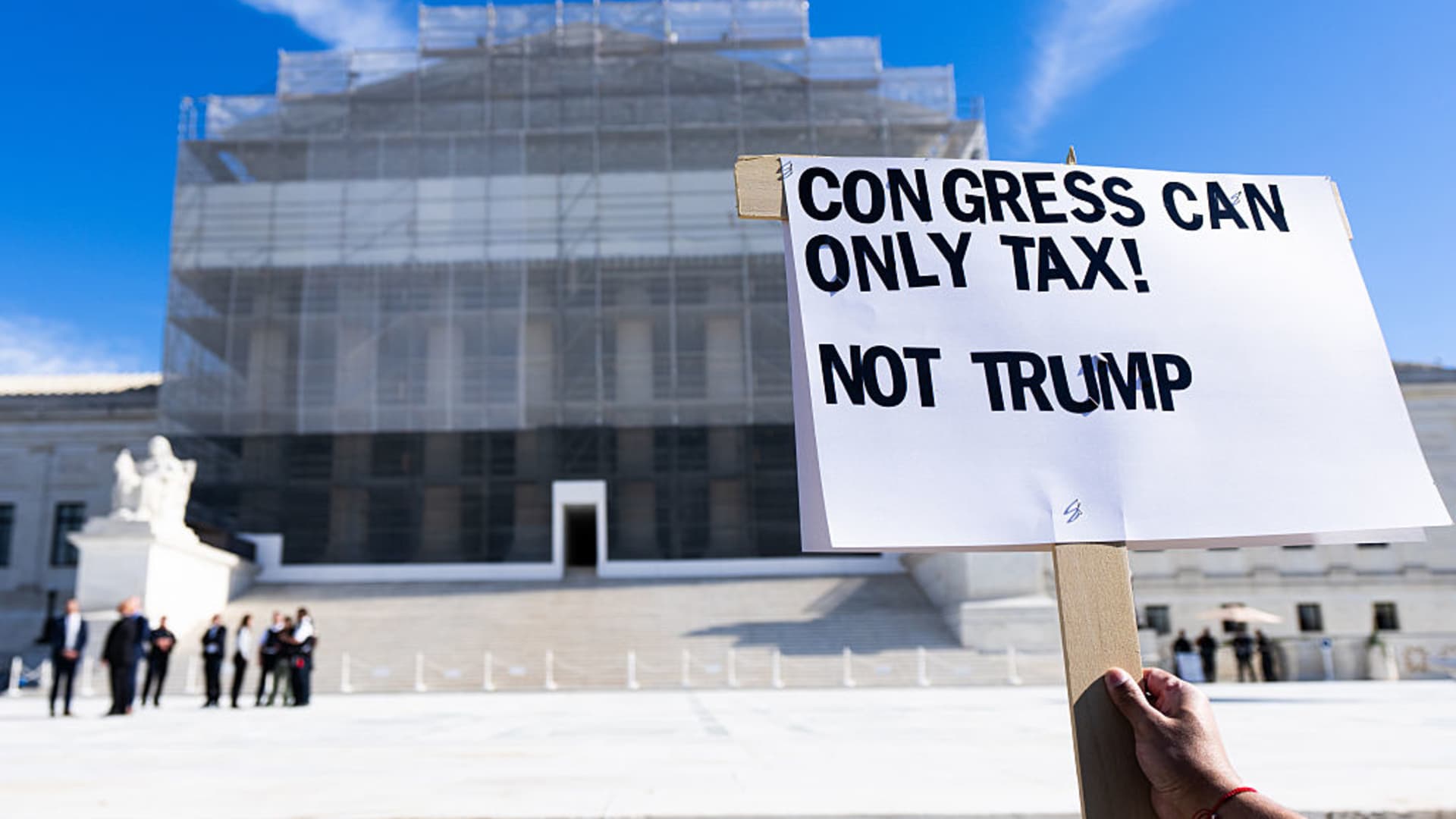
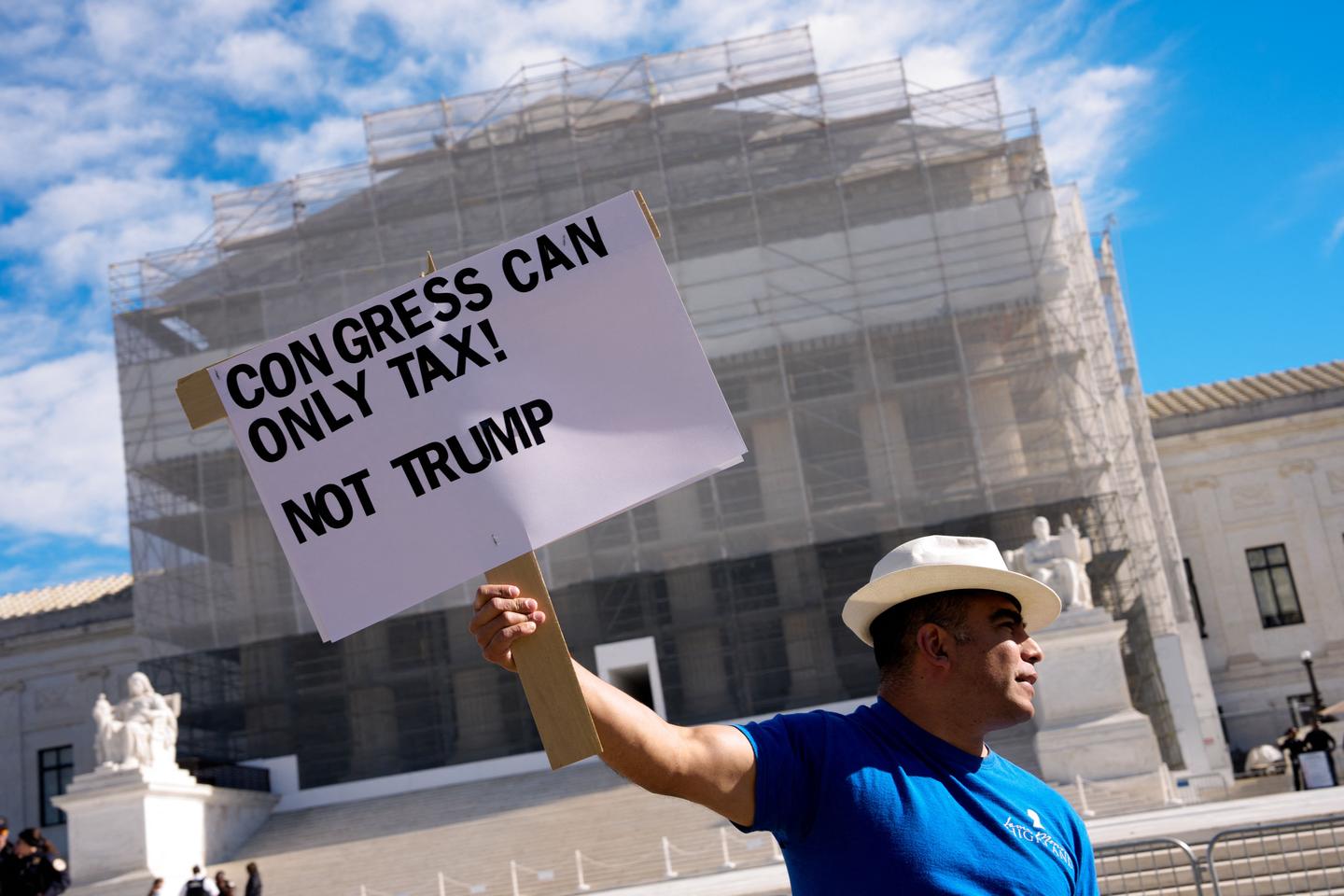
The Supreme Court's ruling, "Learning Resources, Inc. v. Trump," handed down on February 20 by a wide majority (six justices to three), is exemplary. For the first time under this administration, the nation's highest court ruled on a substantive issue and set the boundaries of a constitutional state – a concept the American president seemed to have forgotten even existed. What is the rule of law in the United States? It is the limitation of executive and legislative powers by a pre-established Constitution, created by a people acting in accordance with their constituent will. Once ratified by the people, only judges can interpret the meaning of this Constitution, and the president and his government are bound to respect the judges' decision.