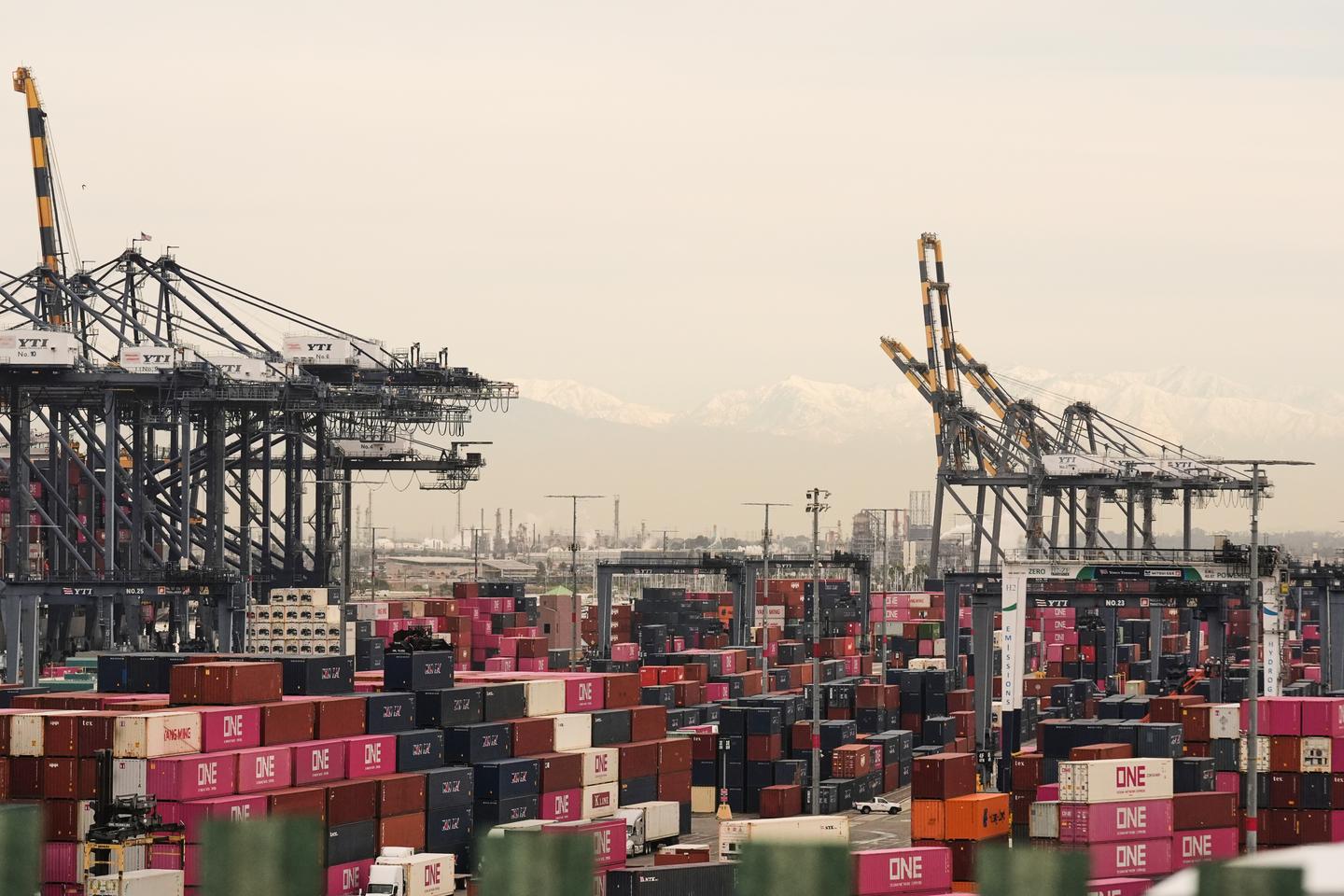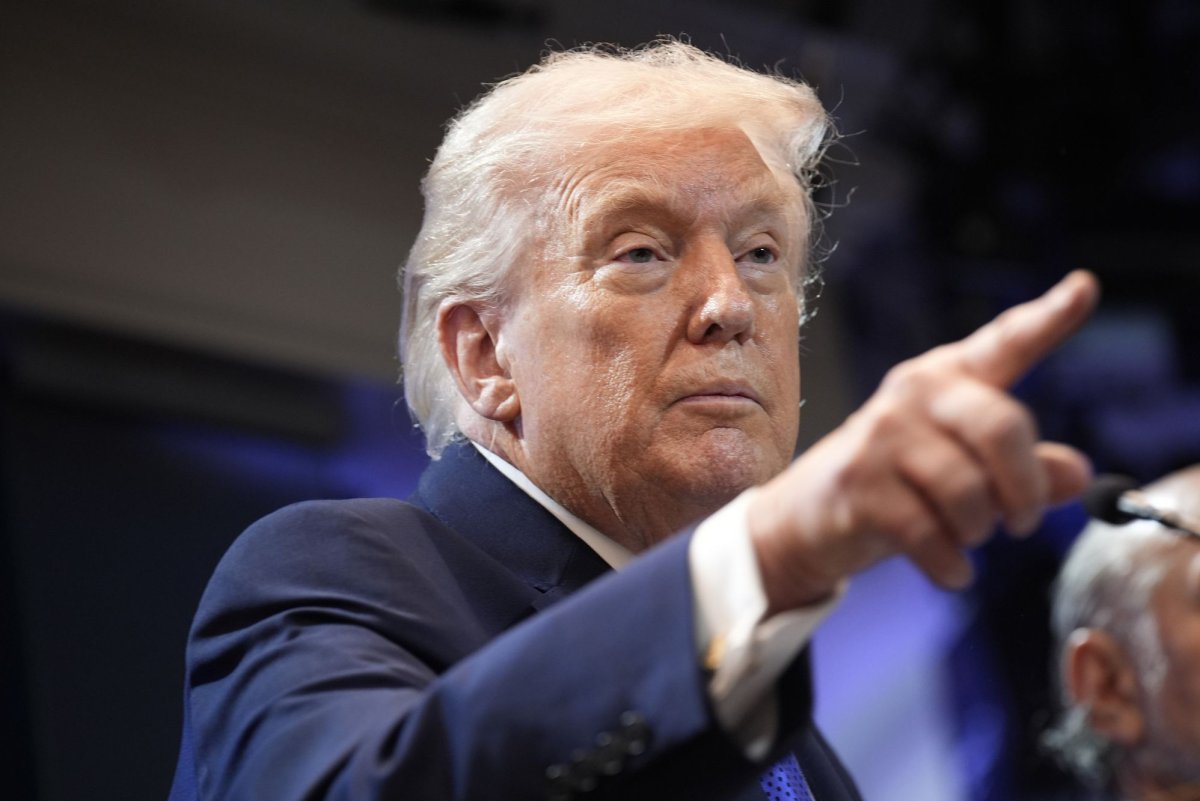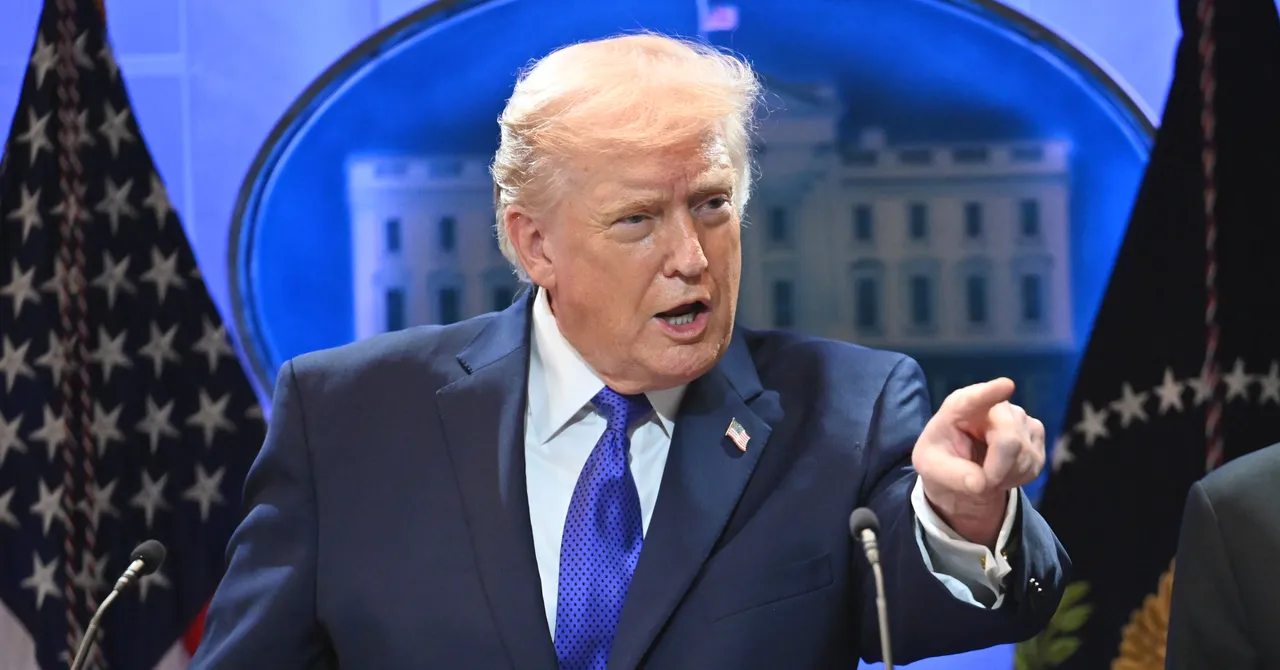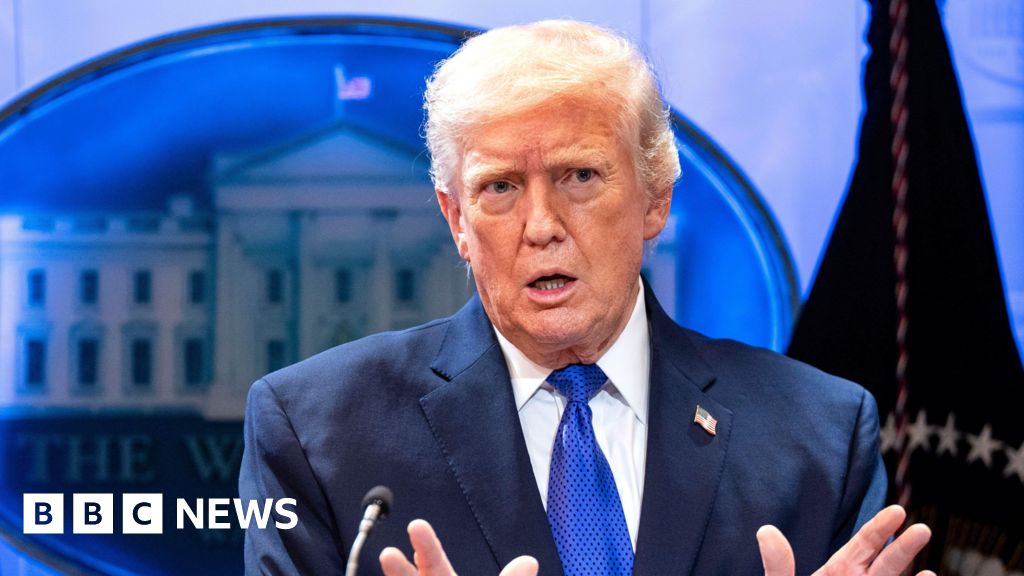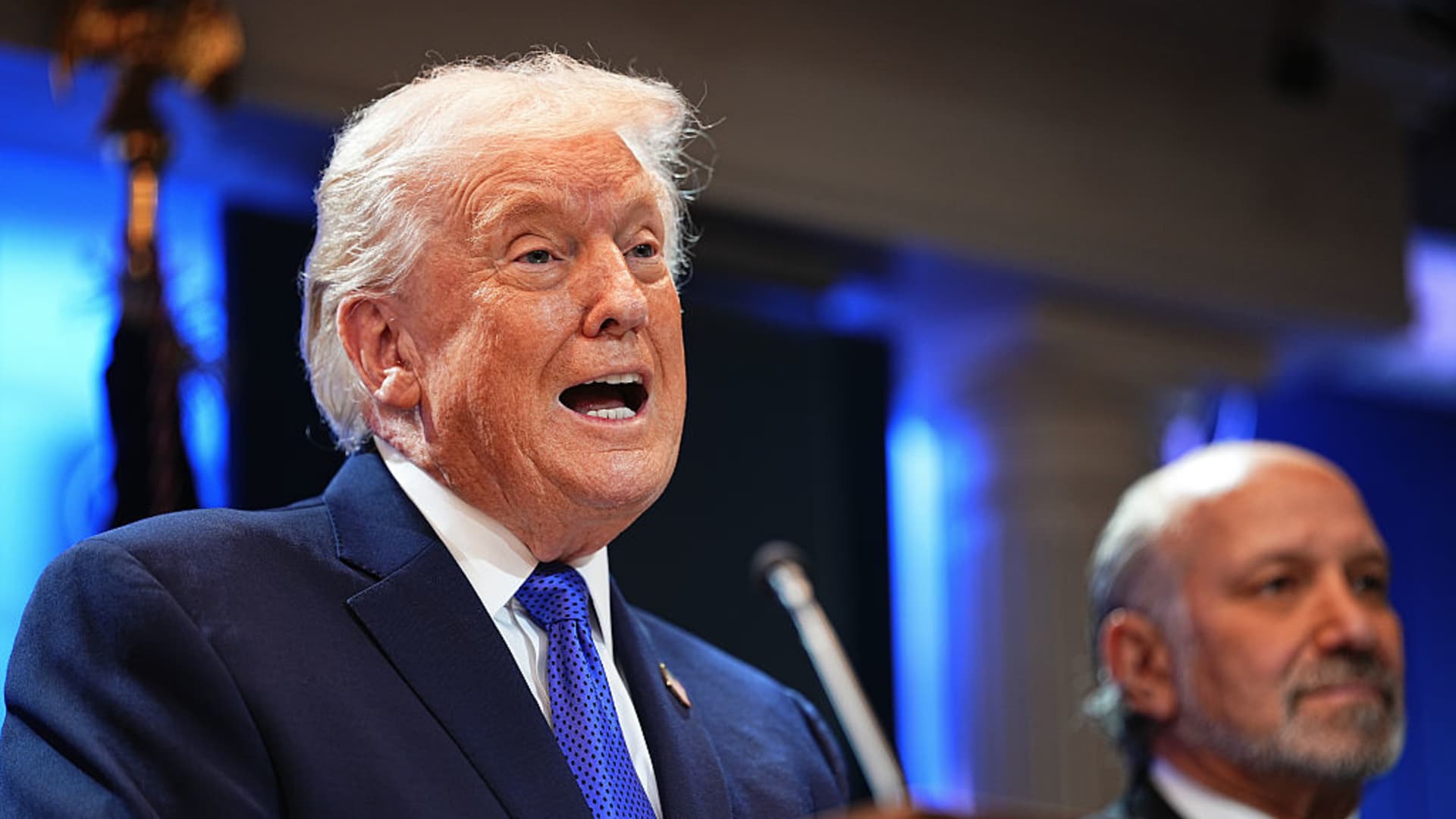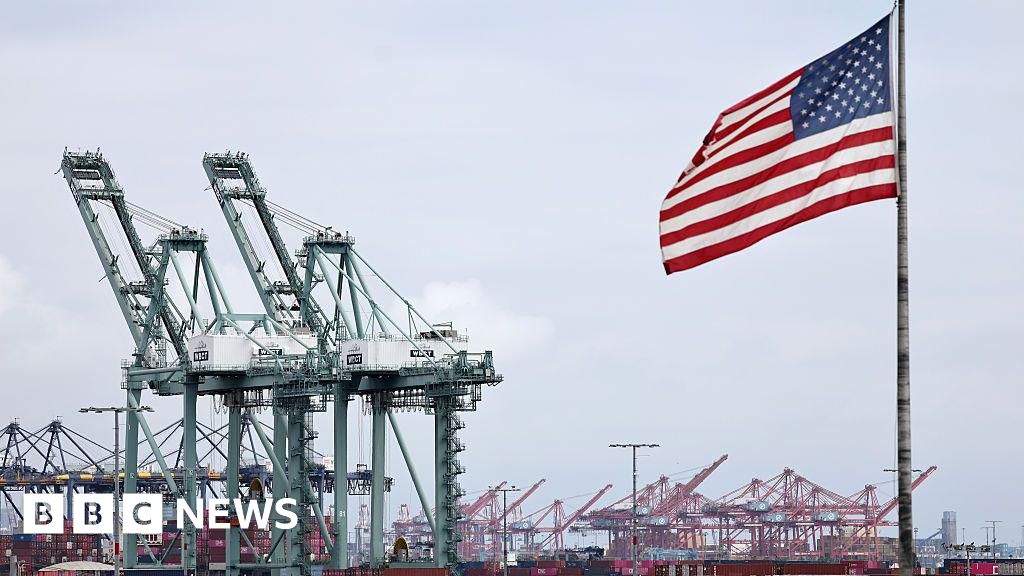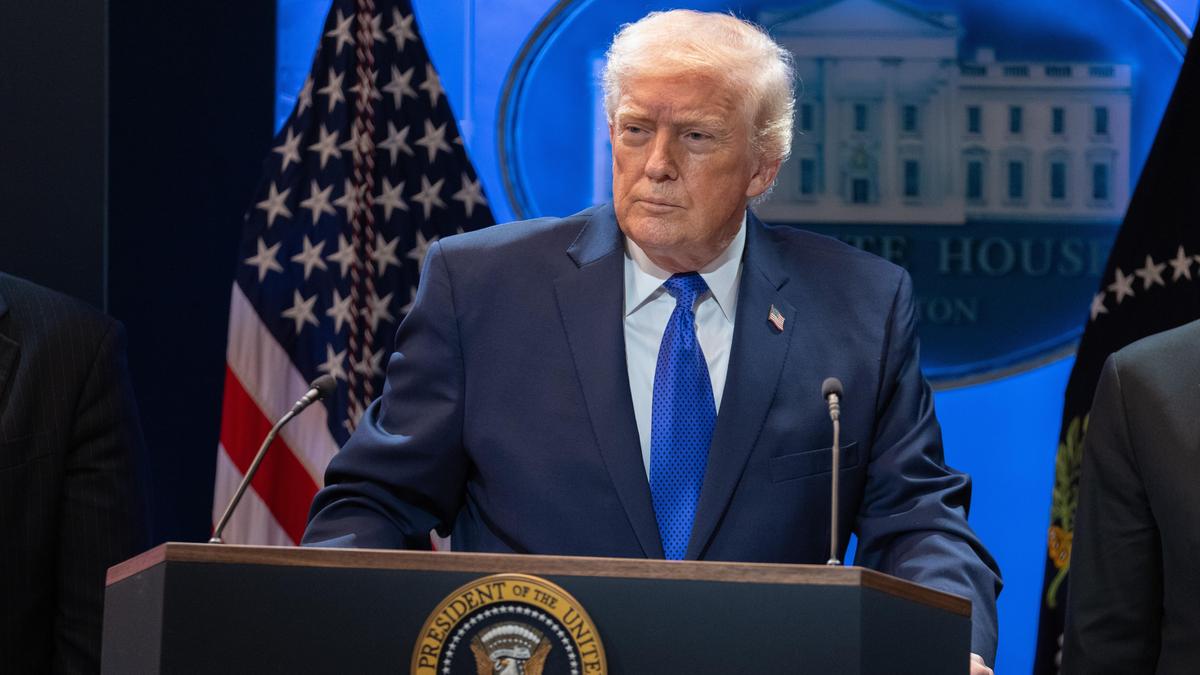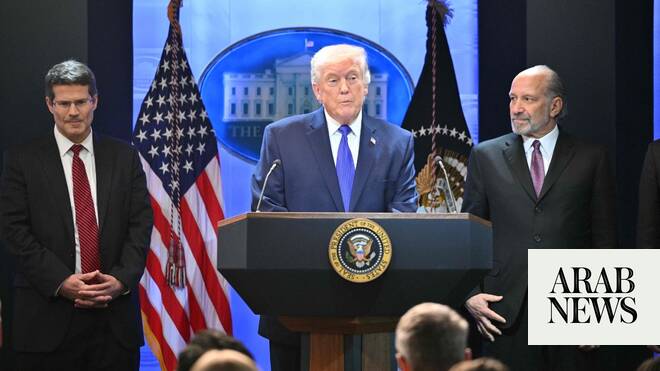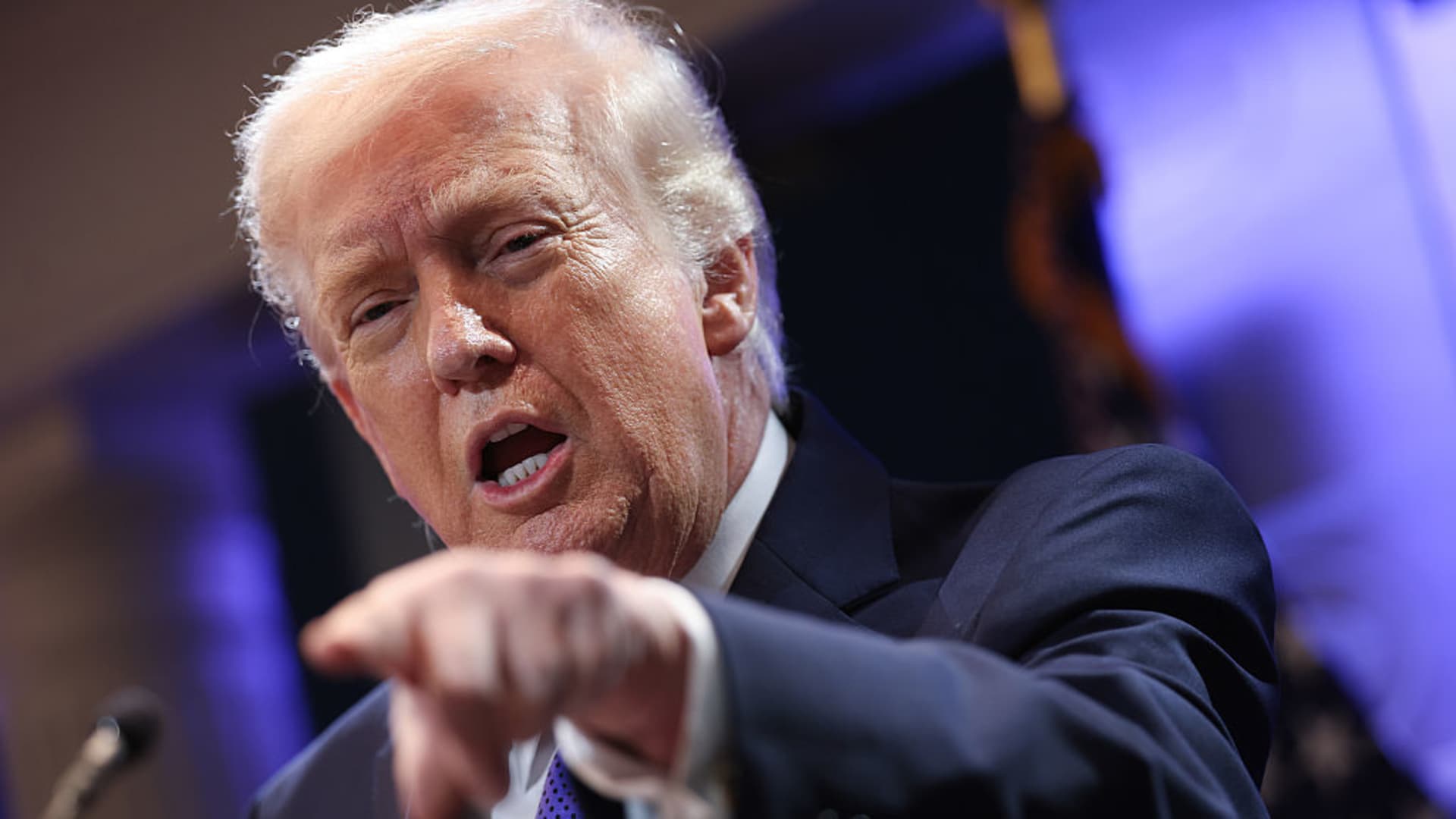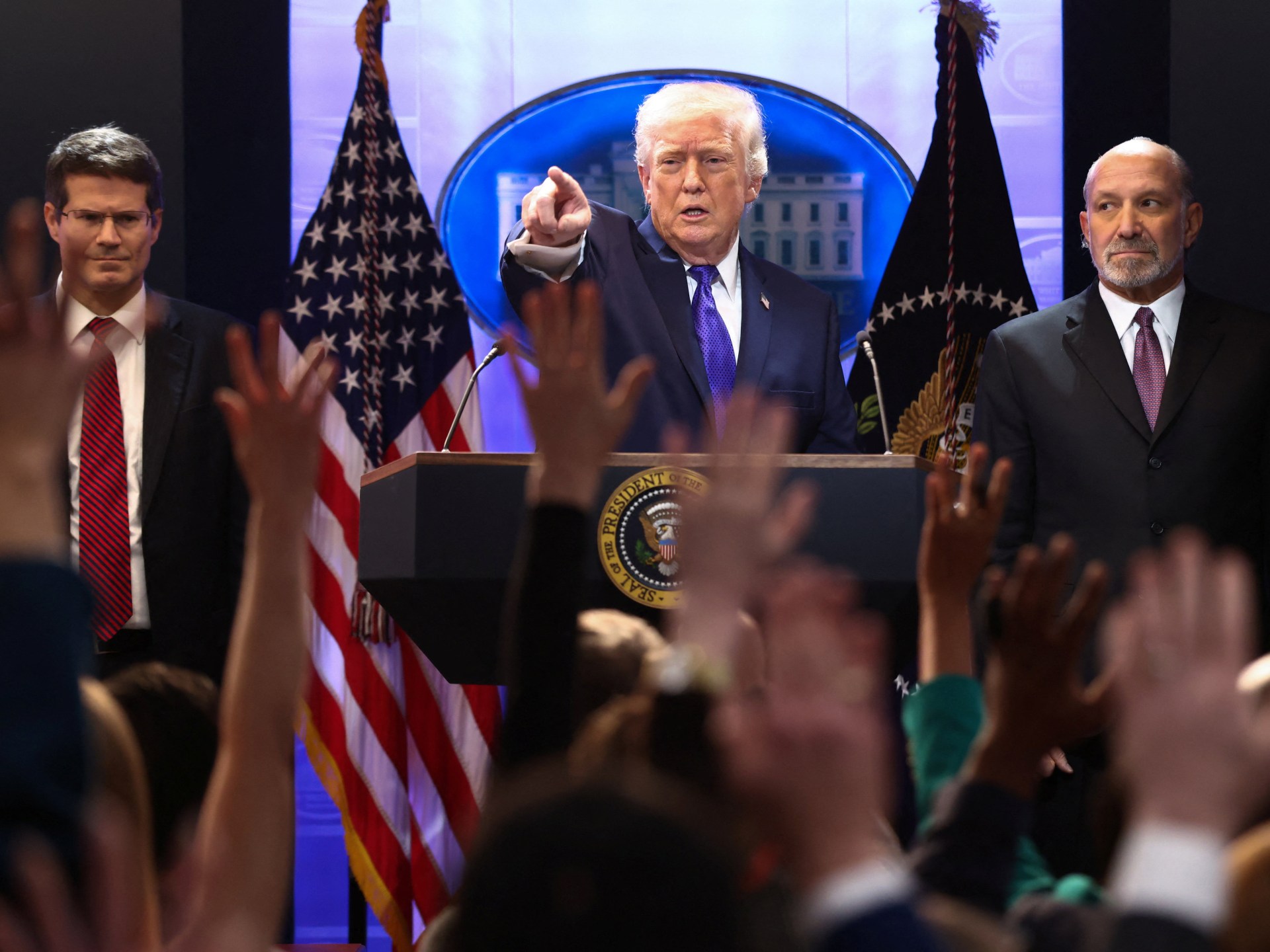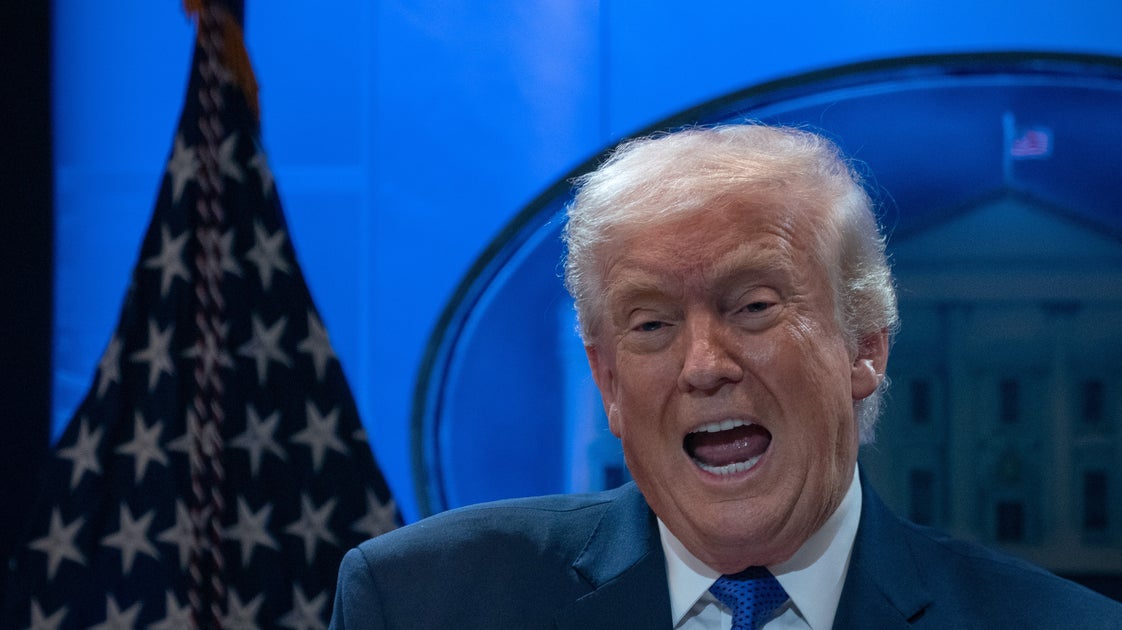
President Donald Trump’s sweeping “Liberation Day” tariffs were barely cold after the Supreme Court struck them down as illegal on Friday before he announced their replacement. At a press conference just hours after the ruling, he declared a 10% global tariff – bumped up to 15% a day later – under a different law.
But Trump’s new blanket tariff, based on never-before-used powers given to the president by a 1974 law, is potentially just as illegal as his old ones, and is virtually certain to be subject to new lawsuits. Skepticism about his power under the law hasn’t just come from critics, but from his own Justice Department.
“It is very likely that challenges will be filed against the Section 122 tariffs,” said Ilya Somin, a law professor at George Mason University who represented the plaintiffs in the case in which the Supreme Court struck down Trump’s emergency tariffs.
Trump is relying on Section 122 of the Trade Act of 1974, which gives the president the power to implement tariffs to address “fundamental international payments problems” that appear as “large and serious United States balance-of-payments deficits,” “imminent and significant depreciation of the dollar in foreign exchange markets,” or “an international balance-of-payments disequilibrium.”