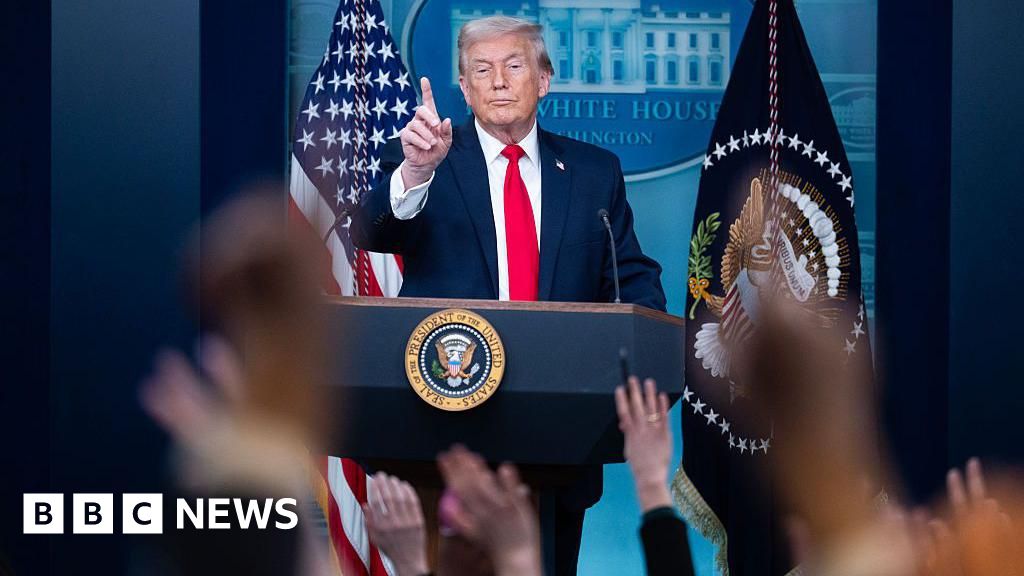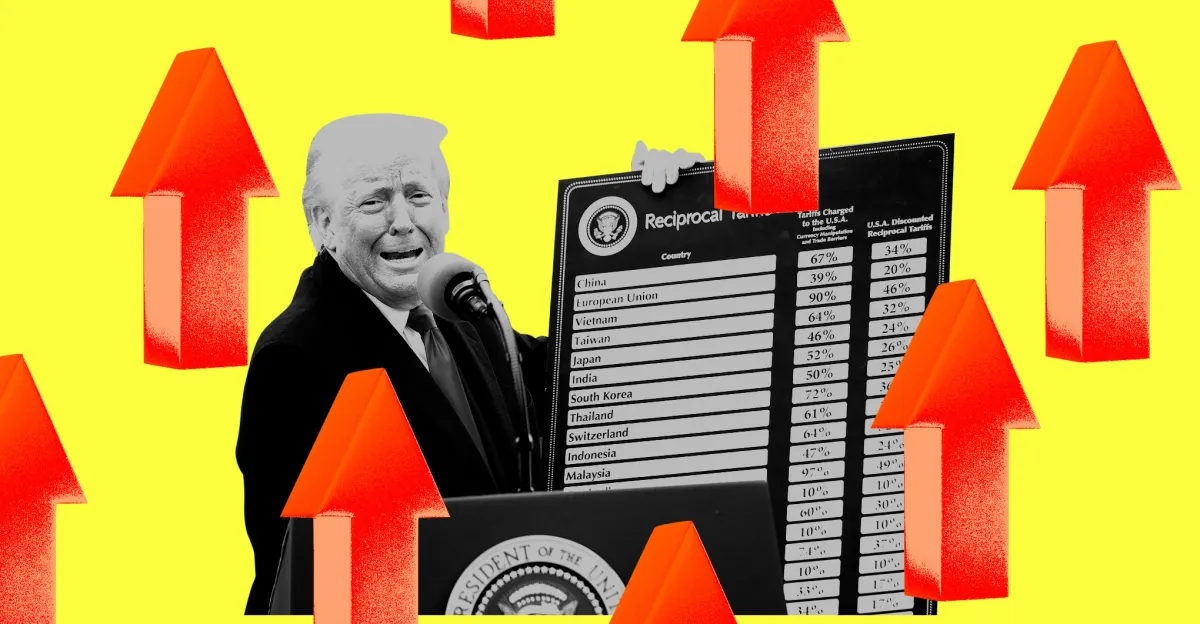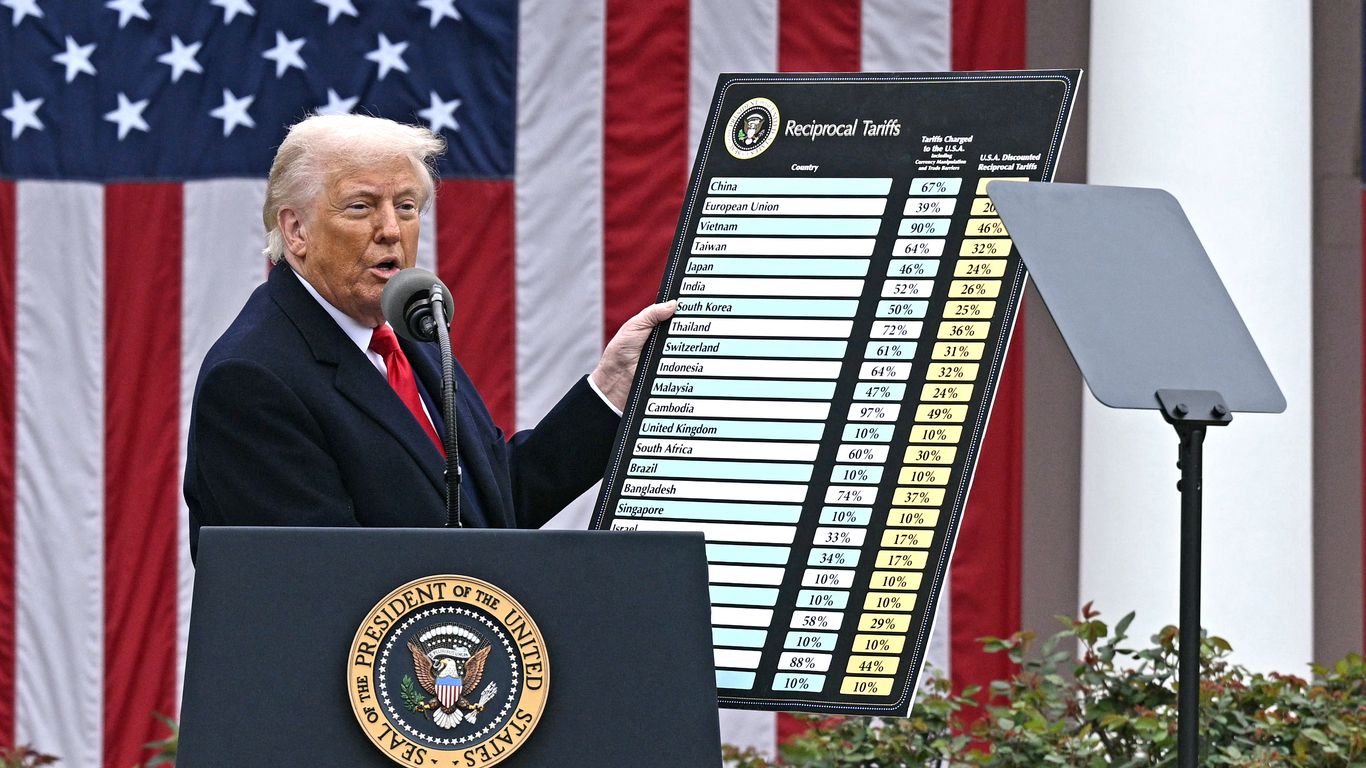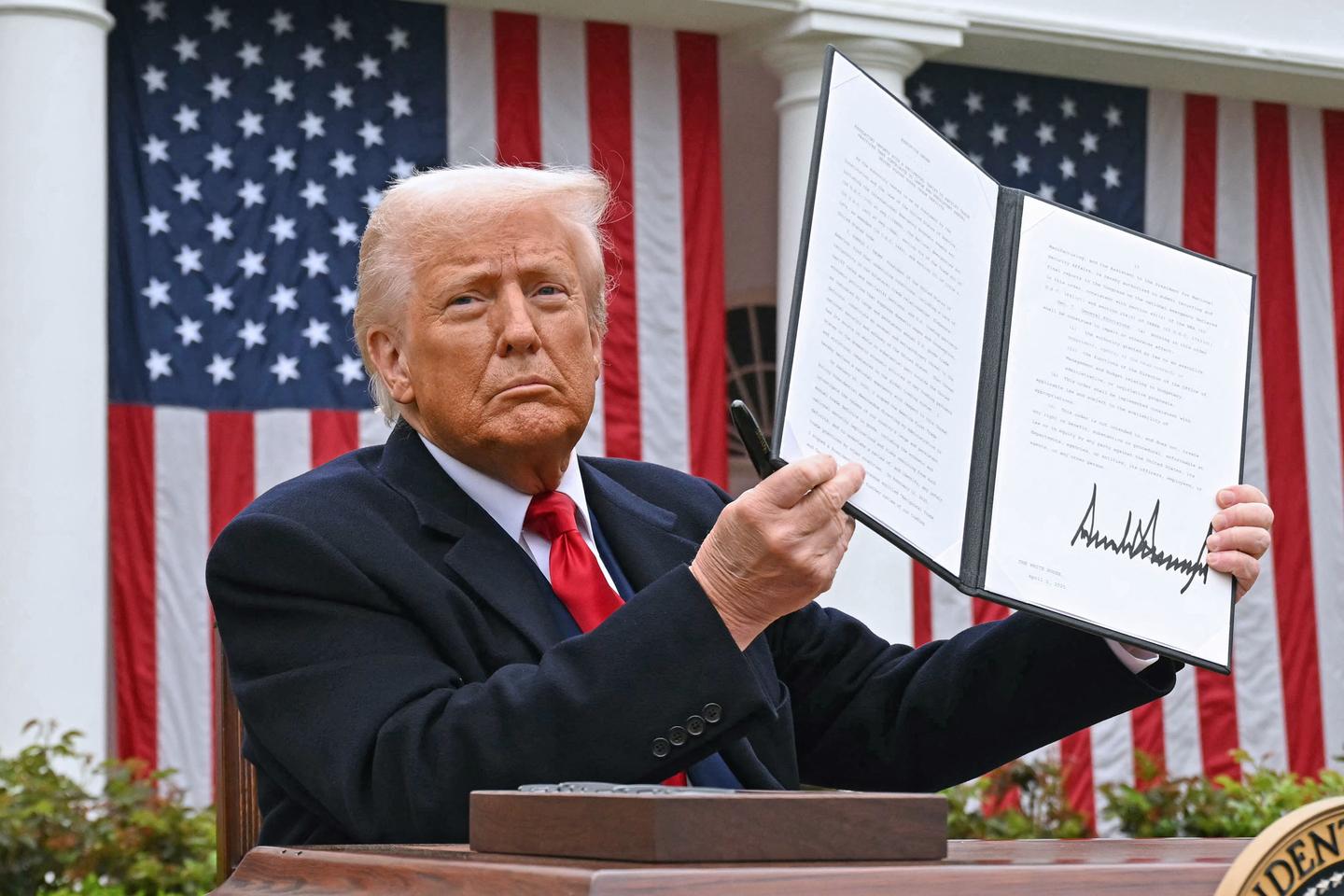
onald Trump had declared April 2, 2025, "Liberation Day." When he announced an array of tariffs on exports from almost every country in the world, the president of the United States insisted it was a pivotal day, saying, "You're going to look back in years to come and you're going to say, you know, 'he was right.'" Ten months later, the US Supreme Court ruled that he was wrong, at least from a legal standpoint. On Friday, February 20, in a decision with far-reaching political and economic implications, a majority of the nine justices found that Trump had gone too far by imposing tariffs without clear authorization from Congress.
This was the first time the Supreme Court definitively struck down a measure taken by Trump during his second term. The setback was all the more severe considering that three conservative justices joined the votes of the three progressive members. They found that the US president had overstepped his authority by invoking the International Emergency Economic Powers Act.
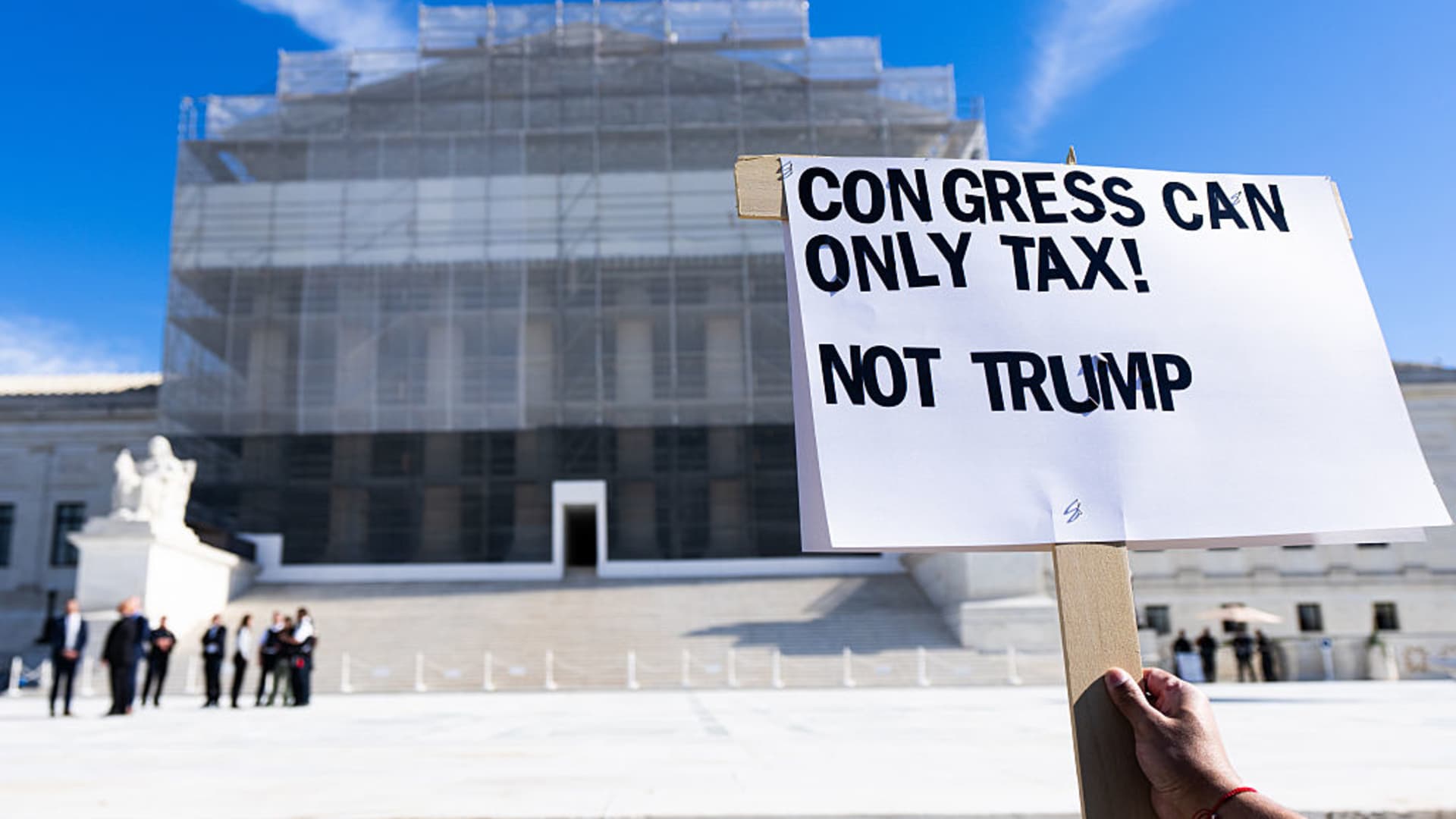
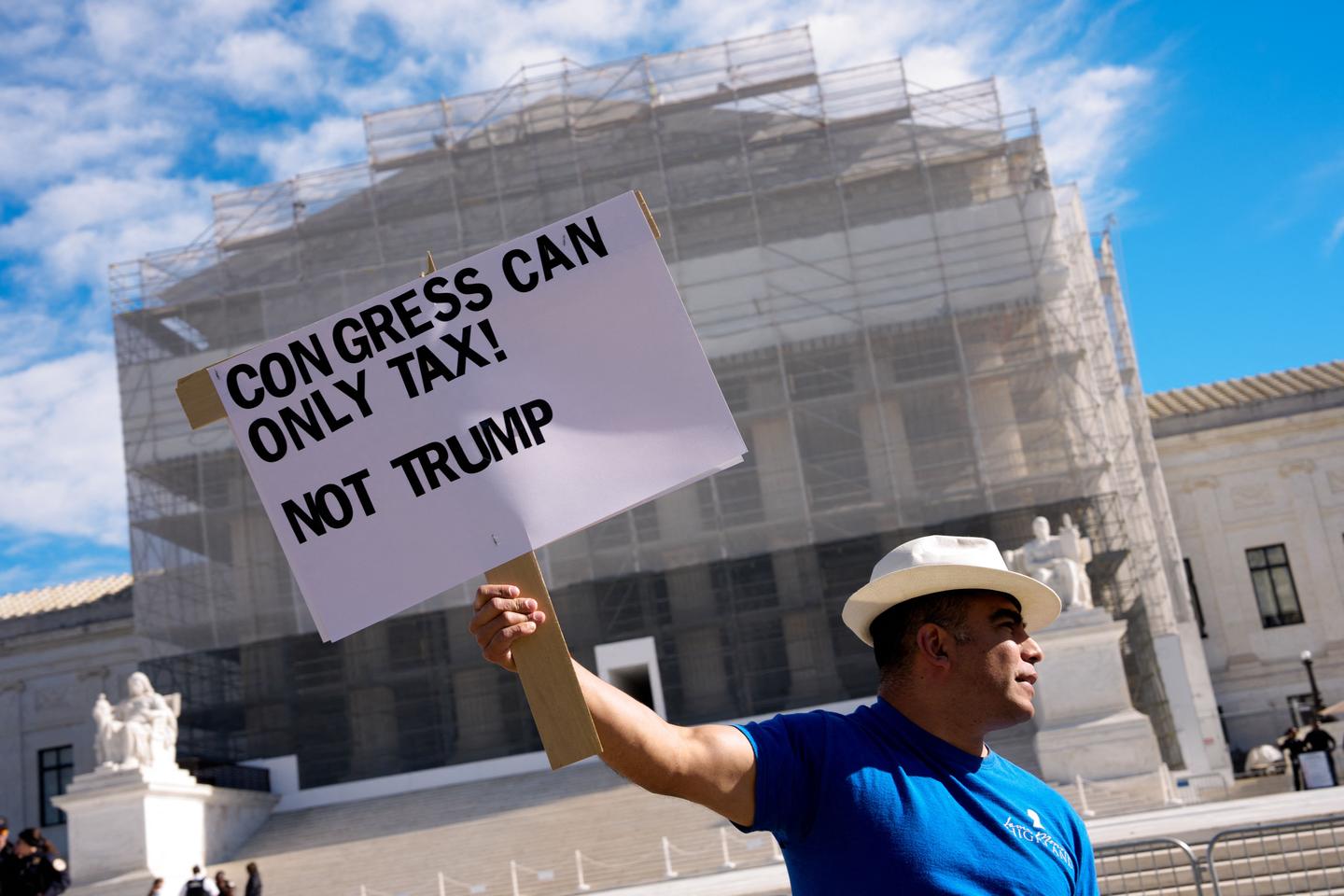
The justices sided with American businesses and the dozen federal states who argued they had suffered harm as a result of these tariff barriers. Contrary to Trump's repeated claims, it was indeed American businesses and households that bore the brunt of the tariffs' cost, as several independent studies confirmed. In effect, these barriers could be considered taxes that the president did not have the authority to impose without Congressional approval.