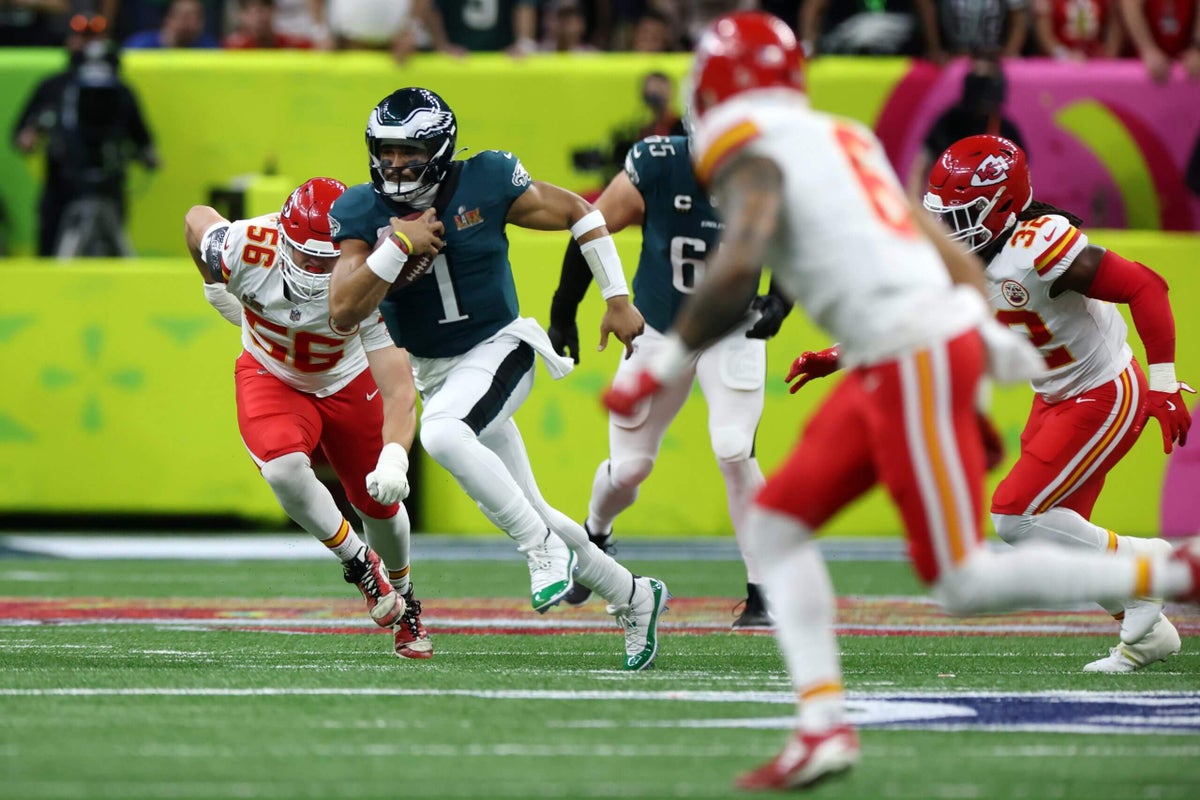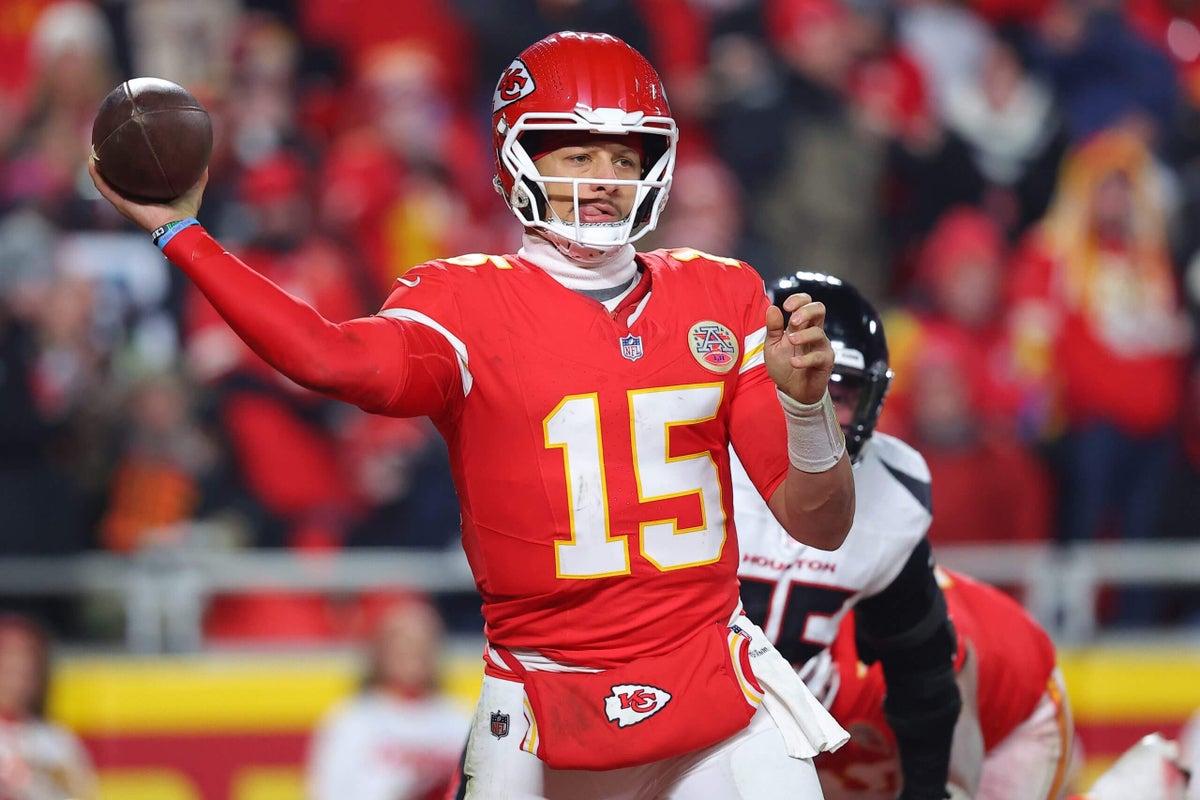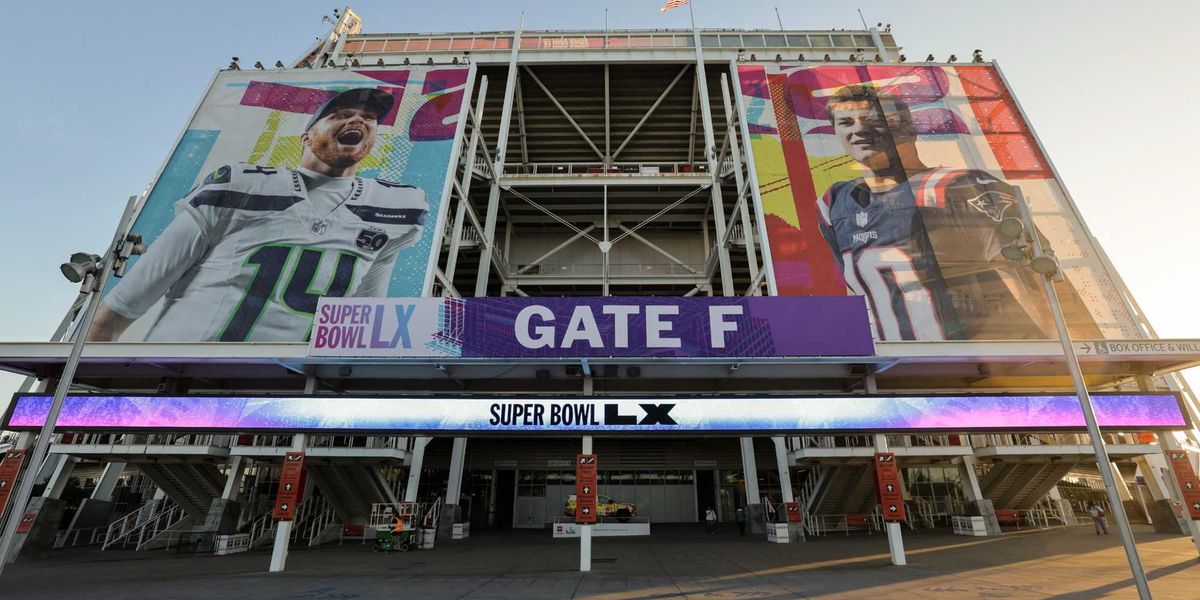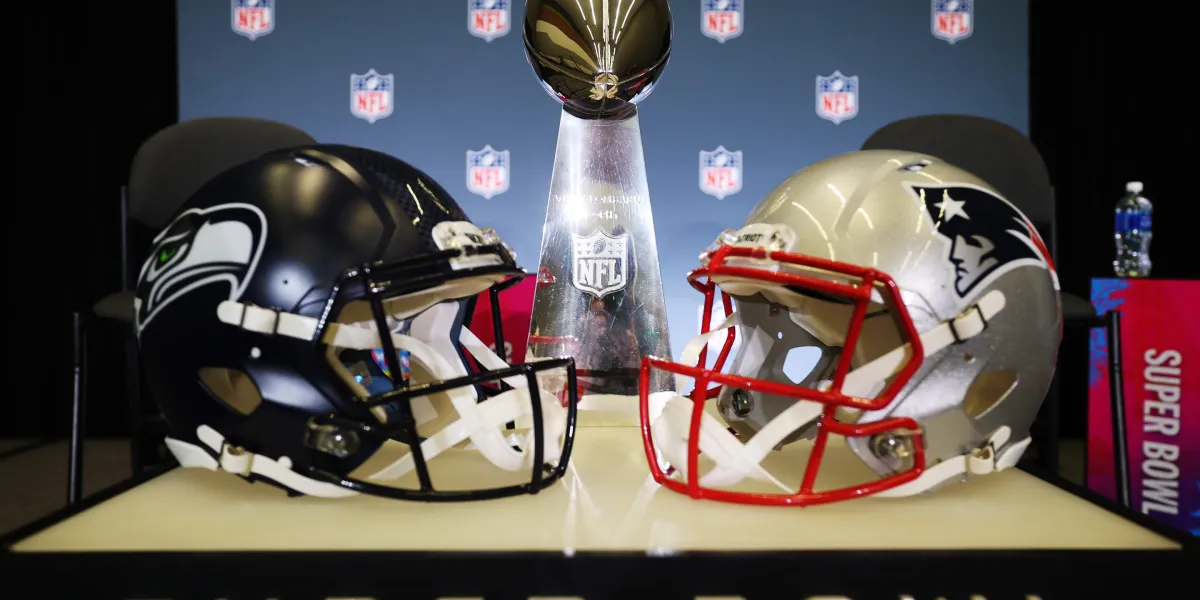
This year’s Super Bowl pits two low-wattage teams in a rematch from 11 years ago. It won’t come as a shock if this year’s broadcast, on NBC, sees a drop from last year’s record ratings.
The good news for all involved: Last year’s game attracted nearly 128 million TV viewers, the most-watched program in US history. No other telecast garnered even half that audience in 2025. Anything less than a catastrophic drop would likely mean this year’s Super Bowl still draws twice the audience of any other live US television program in 2026.
What is it about the National Football League’s championship that allows it to defy gravity and remain the one piece of American television that everyone watches? In a word, it’s scarcity. The NFL has perfected the art of giving people what they want — but not too much of it. And there are three distinct audiences that turn on the big game to get something they can’t get anywhere else on TV.
The primary audience is, of course, a nation’s worth of football fanatics: 83 of the top 100 US broadcasts in 2025 were NFL games, according to Nielsen. In a 2025 survey by S&P Global Market Intelligence asking US fans of different sports whether they identified as casual or avid fans, the NFL was the only league where more than half the respondents (55%) who said they watched the sport labeled themselves avid.