Light scattering creates the shade we see when we look skyward, and studies show the process varies around the world
O
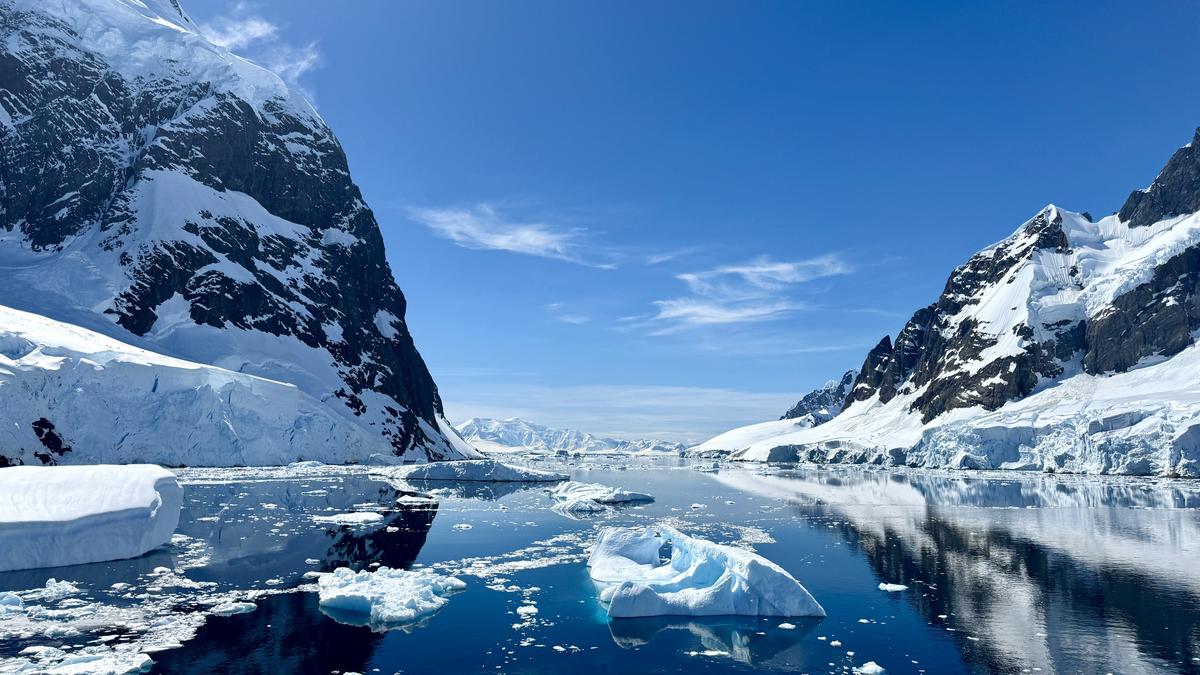
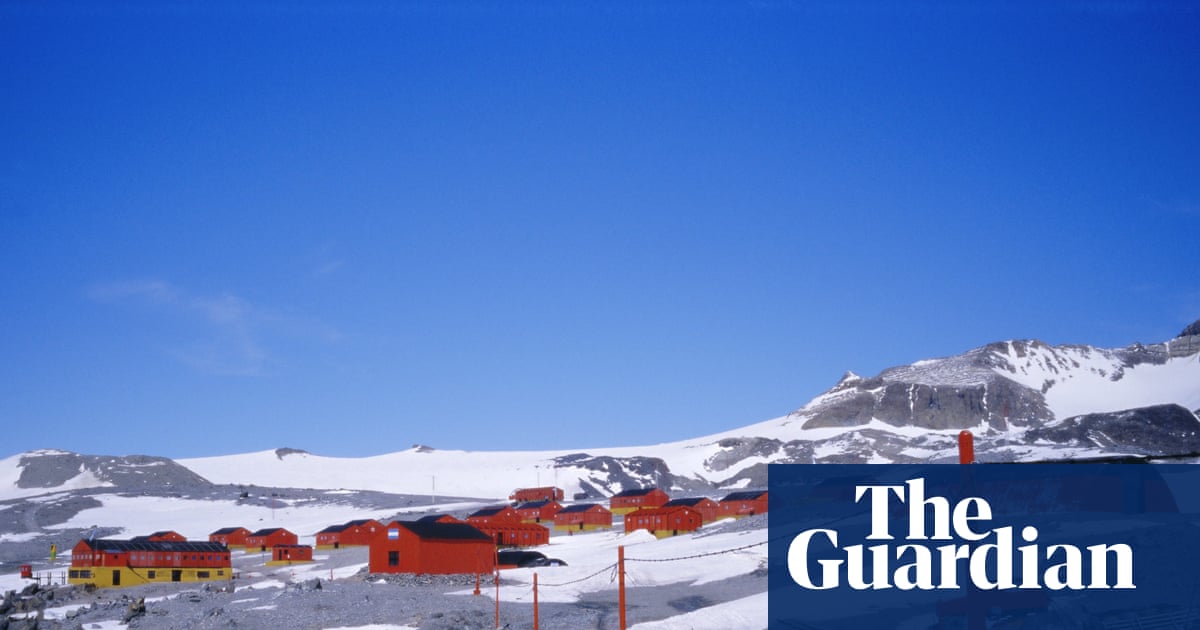
n holiday the sky may look a deeper shade of blue than even the clearest summer day at home. Some places, including Cape Town in South Africa and Briançon in France, pride themselves on the blueness of their skies. But is there really any difference?
The blue of the sky is the product of Rayleigh scattering, which affects light more at the blue end of the spectrum. The blue we see is just the blue component of scattered white sunlight.
High humidity and dust, as well as smoke and pollutants, also scatter light, but over a wide range of wavelengths. This is known as Mie scattering and results in a whiter or milkier shade across the sky. At higher altitudes there is less atmosphere above to scatter light, so the sky is darker and the blue may appear more intense.