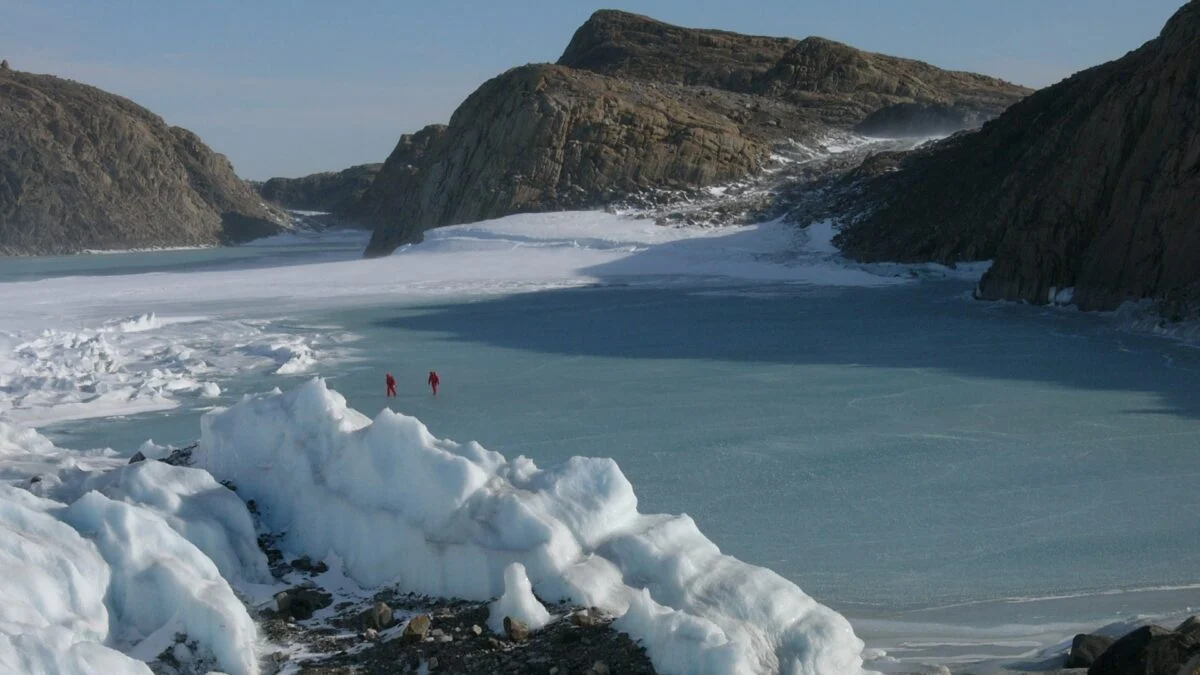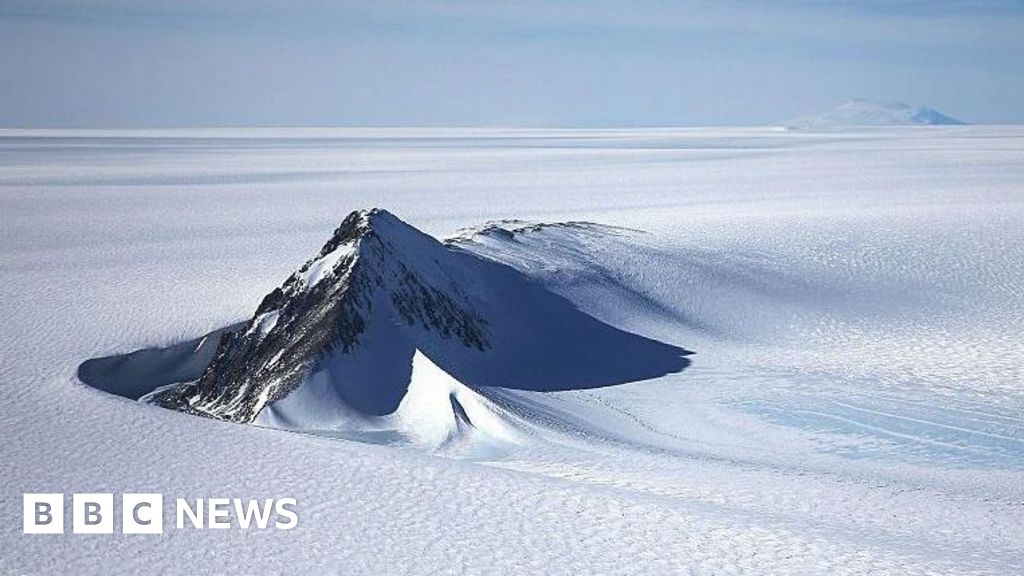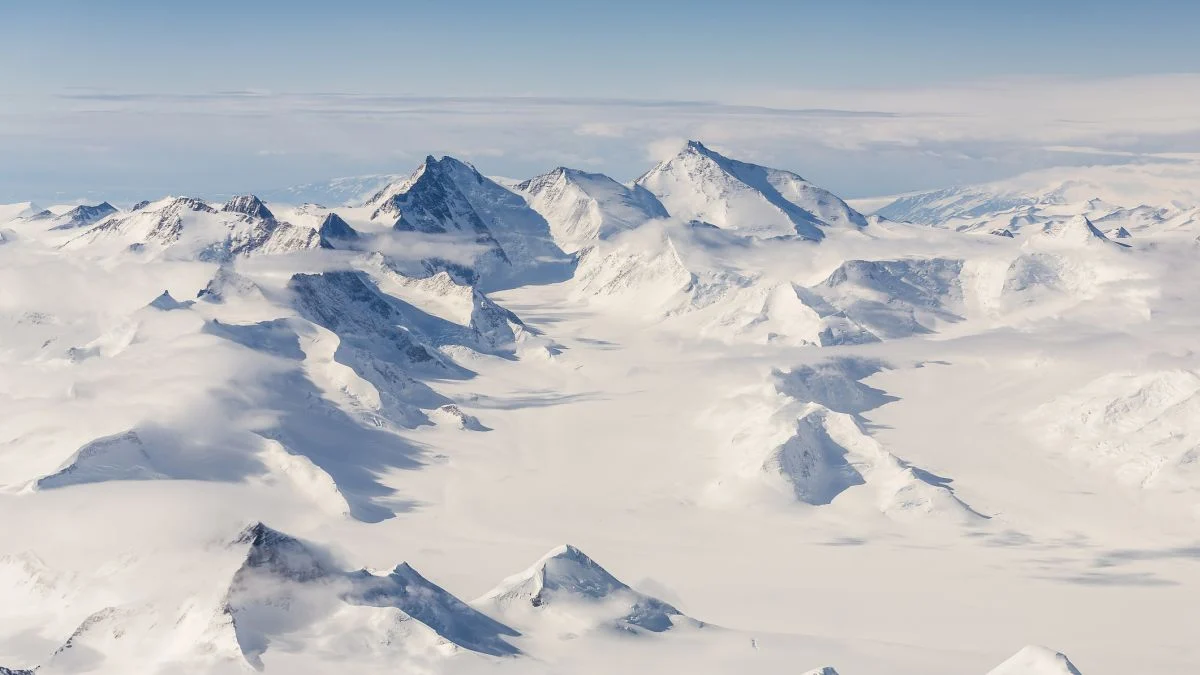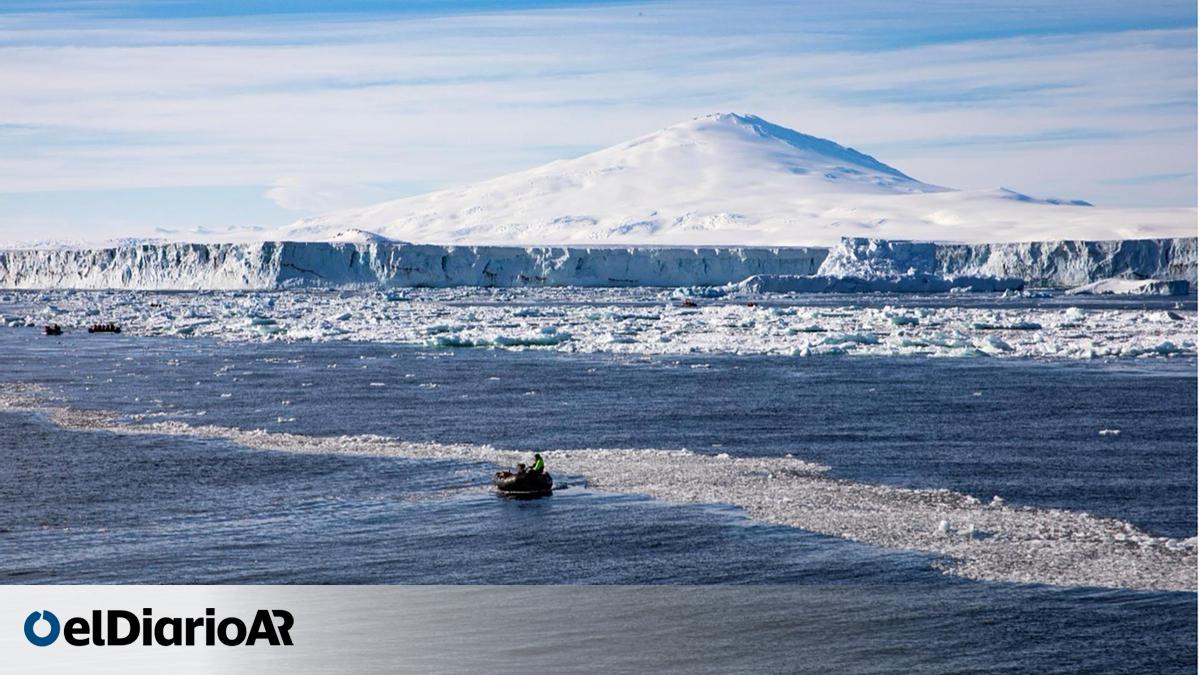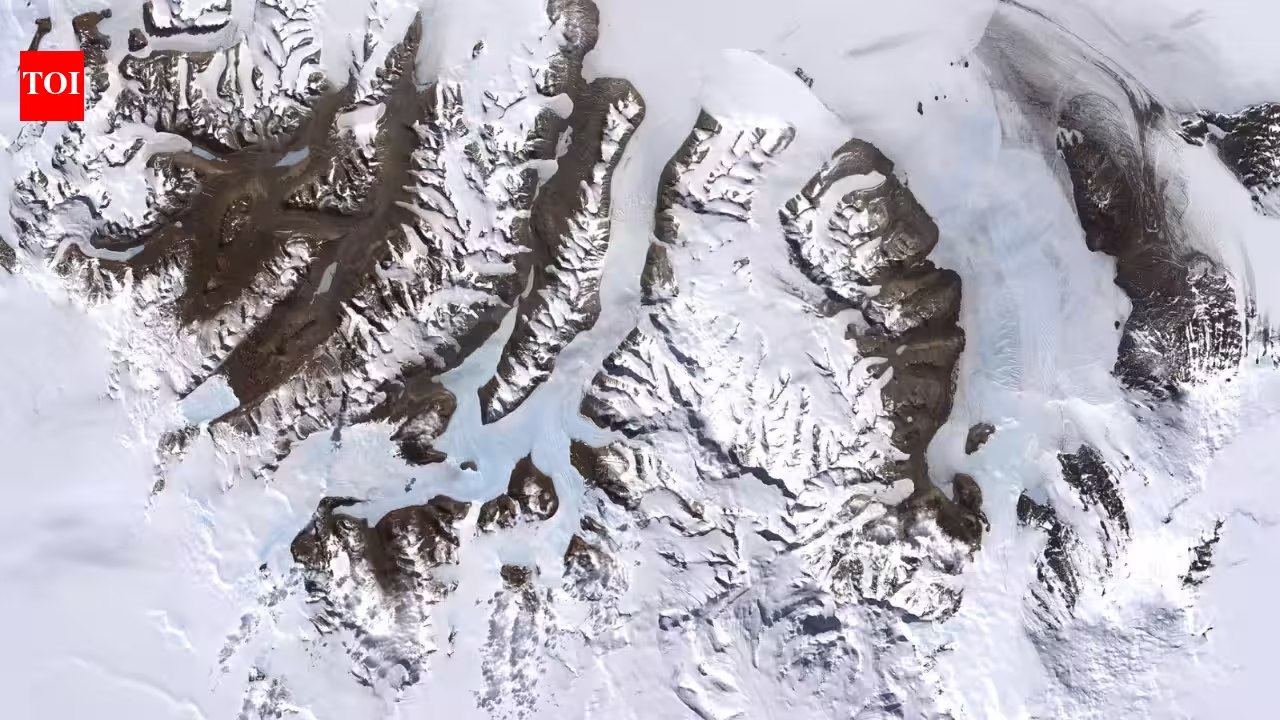
Field camp of scientists during the Antarctic summer, c. 1965 | Wikimedia CommonsWe imagine Antarctica as a frozen wilderness of glaciers and endless snow; yet tucked between towering mountains along the coast of the Ross Sea is a landscape that looks more like another planet than anything else. The McMurdo Dry Valleys stretch across roughly 4,800 square kilometers (1,850 square miles) and are the largest ice-free region in Antarctica. Visitors encounter bare gravel, rocky ridges, and valleys sculpted by powerful winds instead of thick ice sheets. Some parts of the terrain have remained largely unchanged for millions of years because precipitation is extraordinarily scarce and katabatic winds (cold, dense air rushing down from the Antarctic plateau) can exceed 200 miles per hour, which evaporates moisture before snow has a chance to accumulate. According to NASA, the Dry Valleys are among the closest natural environments on Earth to the surface of Mars, which makes them a valuable testing ground for planetary science and exploration.McMurdo Dry Valleys, Landsat 7 imagery | Wikimedia CommonsThe winds that keep Antarctica’s driest landscape almost ice-freeMoisture-bearing weather systems rarely penetrate the surrounding mountain ranges, while powerful katabatic winds that descend from the polar plateau strip away snow through sublimation, and turn ice directly into water vapor without melting it first. As a result, large sections of the valleys remain almost entirely free of permanent snow and glaciers despite sitting within Antarctica. According to the National Science Foundation’s McMurdo Long Term Ecological Research (LTER) Program, the valleys receive extremely low annual precipitation, which has created one of the most arid polar deserts on Earth. The landscape preserves ancient soils, exposed rock formations and permanently frozen ground that have barely changed over geological timescales, which offers scientists an exceptional record of Antarctica’s environmental history.Why NASA keeps coming backThe Dry Valleys are more than an Antarctic curiosity for planetary scientists, since their barren terrain, freezing temperatures and limited water closely resemble conditions that spacecraft encounter on Mars. NASA has repeatedly used the region to test scientific instruments, autonomous vehicles and techniques that are designed to search for signs of past or present microbial life beyond Earth. The valleys also contain unusual features such as permanently ice-covered lakes, streams that flow only for brief periods during the Antarctic summer and soils that are inhabited by highly specialized microorganisms capable of surviving in one of Earth’s most inhospitable environments. Researchers understand the limits of life on our own planet by studying these organisms, while refining strategies for detecting biosignatures on Mars and other icy worlds.Field camp of scientists during the Antarctic summer, c. 1965 | Wikimedia CommonsA place that continues to challenge what scientists know about lifeMicroscopic algae, bacteria, fungi, nematodes and other resilient organisms survive by taking advantage of tiny pockets of moisture released during the brief summer thaw. The valleys also host unusual ecosystems beneath the ice covering lakes such as Lake Bonney and Lake Vanda, where microbial communities have adapted to extreme cold, high salinity and long periods of darkness. These unique conditions make the Dry Valleys one of the world’s most important natural laboratories for studying climate history, glacial processes and the limits of life in extreme environments. Every expedition to the region provides a new clue that stretches far beyond Antarctica, and what scientists learn there is helping answer questions about Earth’s past while guiding the search for life elsewhere in the Solar System.
Antarctica is hiding a desert so dry it has changed little for millions of years: NASA says its landscape resembles Mars
We imagine Antarctica as a frozen wilderness of glaciers and endless snow; yet tucked between towering mountains along the coast of the Ross Sea is a landscape that looks more like another planet than anything else. The McMurdo Dry Valleys stretch across roughly 4,800 square kilometers (1,850 square miles) and are the largest ice-free region in Antarctica.
567 words~3 min read