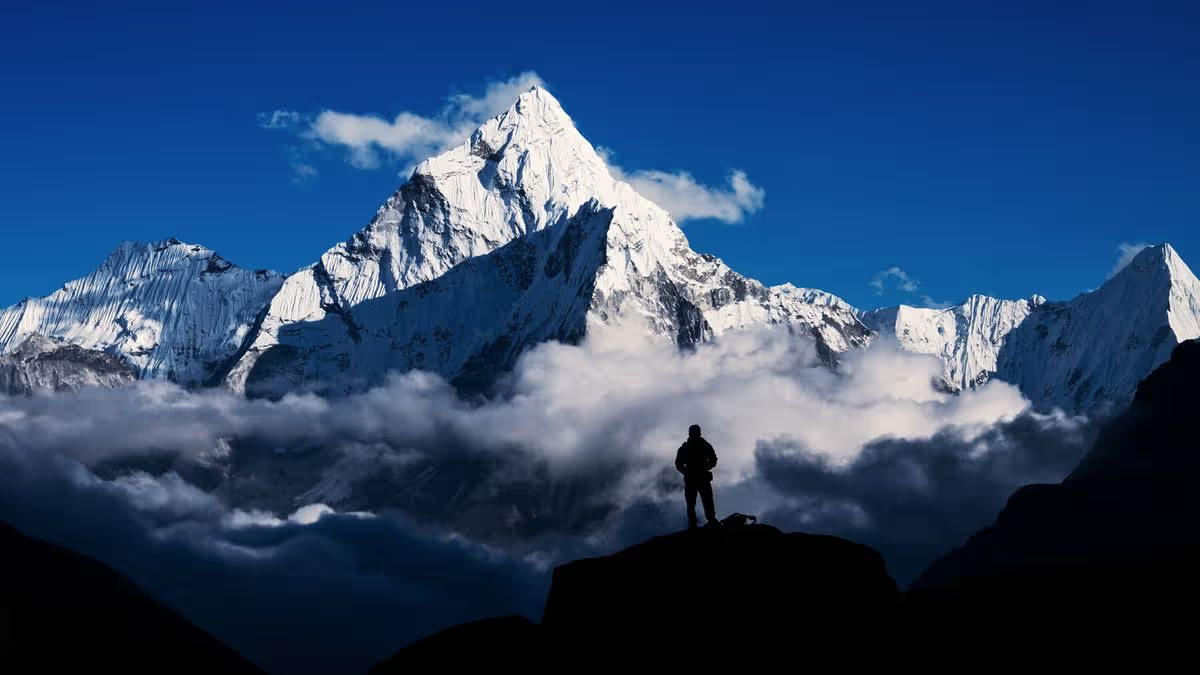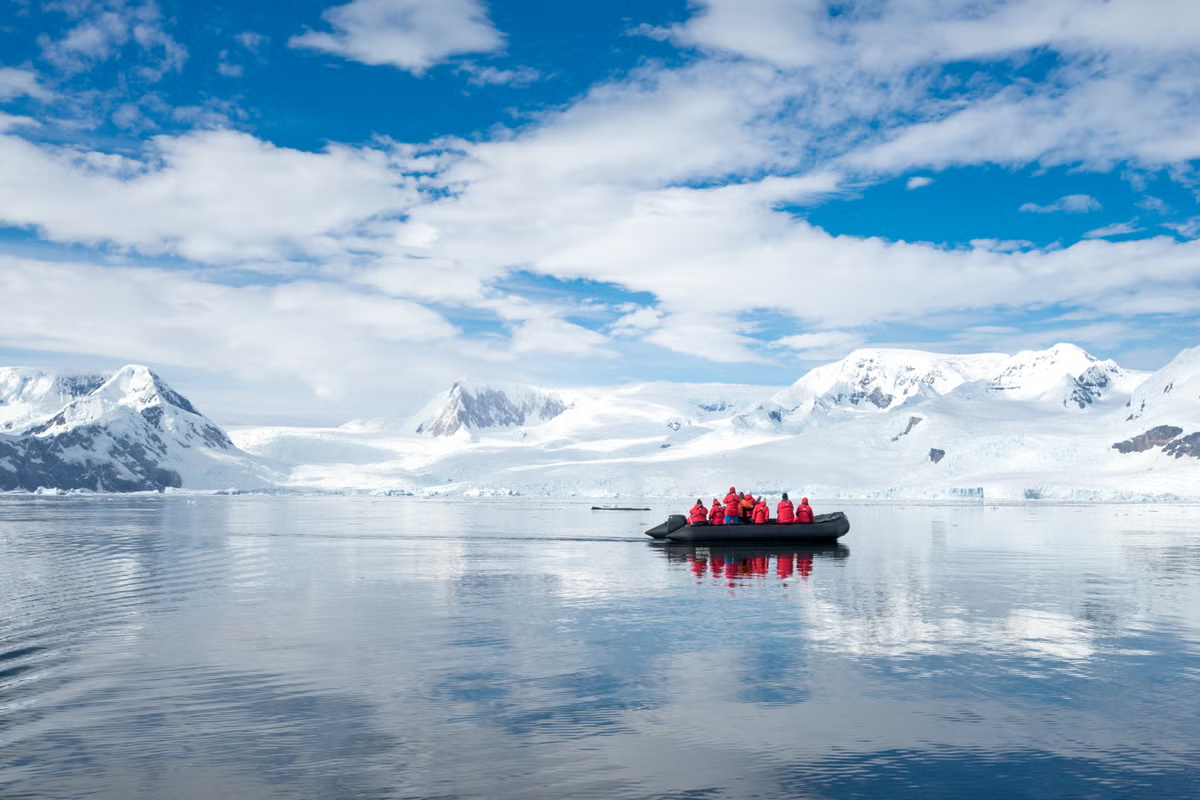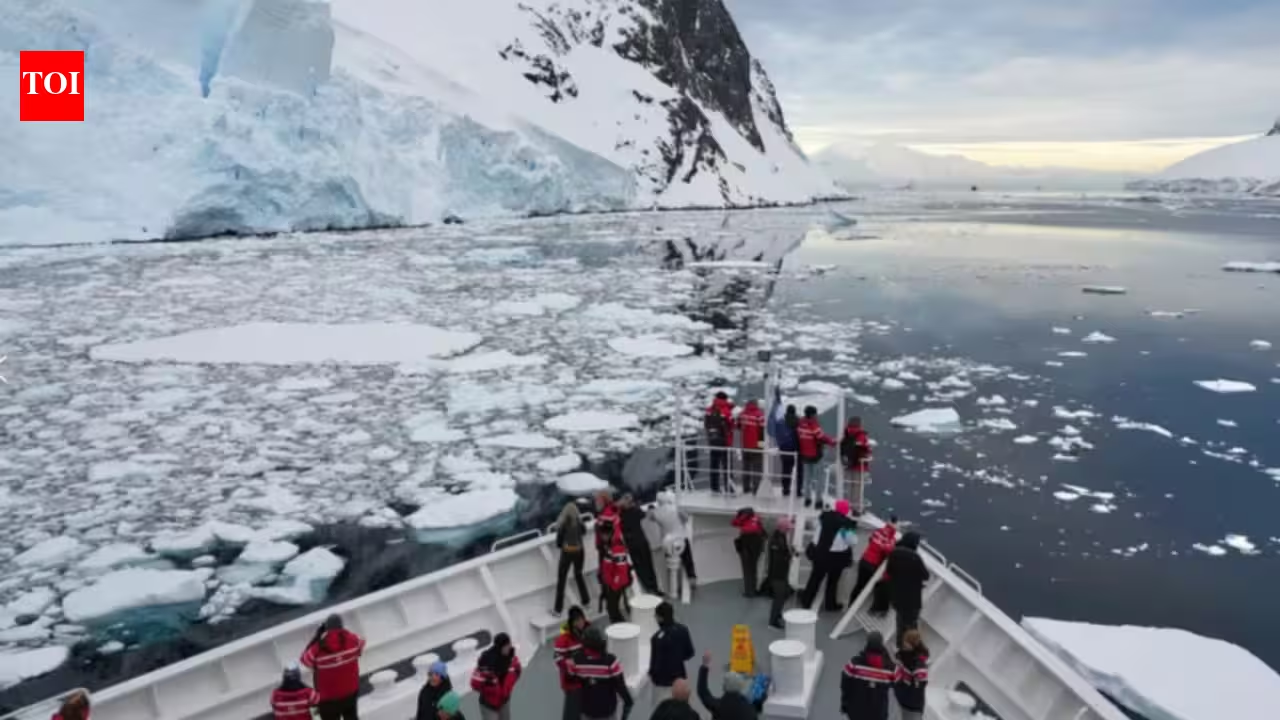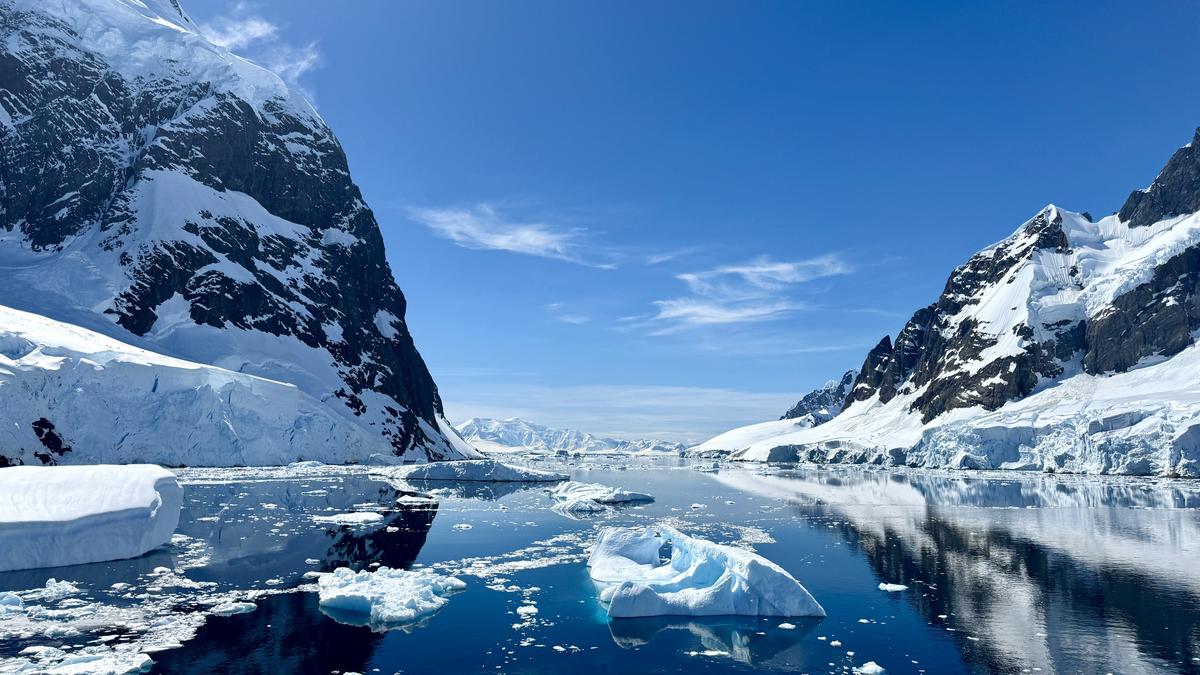
When British mountaineer George Mallory was asked why he wanted to climb Mount Everest, he purportedly said, “Because it’s there.” Over a century later, that’s what most travellers to Antarctica would likely say about their motivation to visit this remote, once inaccessible continent.It is there, and it is easier to reach than it has ever been, with options to fly into it or get there over the ice. And like the mighty Everest, far-flung Antarctica is being loved to death.If that statement reads like hyperbole, then consider these facts. Commercial tourism to Antarctica started only in 1966, when American entrepreneur Lars-Eric Lindblad took 57 travellers on a cruise to what had thus far been the sole preserve of professional explorers and researchers.Towards the turn of the 21st century, fewer than 8,000 people visited Antarctica each year, while in the 2023-24 season, the continent received 1,25,000 tourists. Seen in isolation, this doesn’t seem like a large number, but given how fragile this landscape is, it is frightening. And predictions show that if left unchecked, tourist numbers could reach half a million by 2033.The reasons for this rapid increase are multifold, starting from the collective post-Covid appetite for travel, and the need to tick off imaginary “bucketlists” curated by social media influencers. There is also the darker notion of “last chance tourism”, which perhaps arises from a niggling realisation among the same segment of well-heeled, well-travelled folks that in the not-so-distant future, there may not be an Antarctica left to visit.For Bhawna Rao, founder of the upscale travel company Encompass Experiences, the trip was spurred by the desire to see what several travellers had described to her as “transformational”. And it was. She recalls her first iceberg sighting as “opening the window and seeing it in the distance — massive, silent, almost surreal. In that moment you realise how small we are in the [grand] scale of nature”.Impact of human activityRegulating tourism is a tricky business in Antarctica, given that the continent does not belong to any sovereign nation, but is a space governed by the 1959 Antarctic Treaty that declares it a neutral, demilitarised zone meant for (peaceful) scientific research. It was only in 1991, when the International Association of Antarctica Tour Operators was set up, that the tourism industry had functional guidelines.Most major cruise lines and travel operators to Antarctica are now part of this voluntary consortium, which has strict rules about the size of cruise ships, the number of people that can be on any landing site at a time, biosecurity measures to prevent the spread of invasive species and diseases, and guidelines for wildlife watching.Rao thinks back to her excursion to Deception Island, an erstwhile whaling station at the fringe of the Antarctic Peninsula. There, rusting remnants of the terrible mass hunting and slaughter of humpback and fin whales for meat and oil (until as recently as 1994) are scattered in the midst of breathtaking natural beauty and countless penguins and seals. “It was a stark reminder that even the most remote corners of our planet have felt the impact of human activity,” she says. “But it also gave me hope. Over the years, so much effort and global cooperation has gone into protecting Antarctica through scientific research, conservation policies, and strict international agreements.”But why is it important to protect Antarctica? Juan Cristóbal Del Pedregal Bravo, Senior Commercial Director at Antarctica21, a Chile-based boutique cruise company known for their sustainable practices, has an explanation. “Antarctica is one of the last truly untouched wildernesses on earth, and it is also one of the most scientifically important,” he says. This is apart from the fact that the Antarctic ice sheet is the largest fresh body of water on earth, containing 90% of all ice on the planet. If that melts, sea levels would rise by almost 230 feet, with disastrous consequences across the world.It’s not a luxury cruiseThat is not to suggest that travel to Antarctica be avoided. Not at all. For one, Antarctica is isolated and spectacular, with no “destination dupes”. As Bravo says, “This combination of untouched nature, remarkable wildlife, and profound remoteness creates an experience that is both rare and deeply meaningful for travellers.” More importantly, he also believes small-scale tourism can be a force for good. “Allowing travellers to witness the continent’s beauty and fragility first-hand helps foster a deeper appreciation for Antarctica and strengthens global support for its protection,” he adds.Antarctica checklistHow many passengers should a ship have?Choose smaller, boutique ships for a more immersive experience. The writer travelled on the Magellan Explorer, which can carry a maximum of 76 passengers. It allowed for better interactions with the staff and more time during land excursions.What kind of excursions must a tour offer?Look for operators who offer a minimum of two shore landings or sea excursions to ensure a good mix of landscapes, wildlife and adventure.What responsible tourism measures must the operator follow?Engage only with companies that have regular presentations and talks by the crew, ensure strict adherence to regulatory measures, and offer passengers a choice to participate in citizen science/research programmes onboard.So, the question is not whether tourism should exist — that ship has sailed, quite literally — but what kind of tourism should. The solution is to travel with companies that are committed to the principles of conservation and sustainability, while also supporting scientific research in the region. There are a handful of these, plying smaller ships with fewer passengers and multiple experts onboard.When clients approach Rao for help with this trip, she begins with a discussion on why they want to go to Antarctica. “It’s important that travellers understand this is not a typical holiday. It’s an expedition,” she explains. “People often imagine it as a luxury cruise, but in reality, it is much more about discovery and learning about the environment. So, education is a big part of the planning process.”Done right, casual visitors will return as staunch ambassadors for the continent, with a deeper understanding of why protecting Antarctica is vital for the future of our planet.The independent journalist writes on travel, art and culture, sustainability and conservation.
World Environment Day | At the end of the world in Antarctica
Explore the impact of increasing tourism in Antarctica and the importance of protecting its fragile ecosystem on World Environment Day.
1,017 words~5 min read