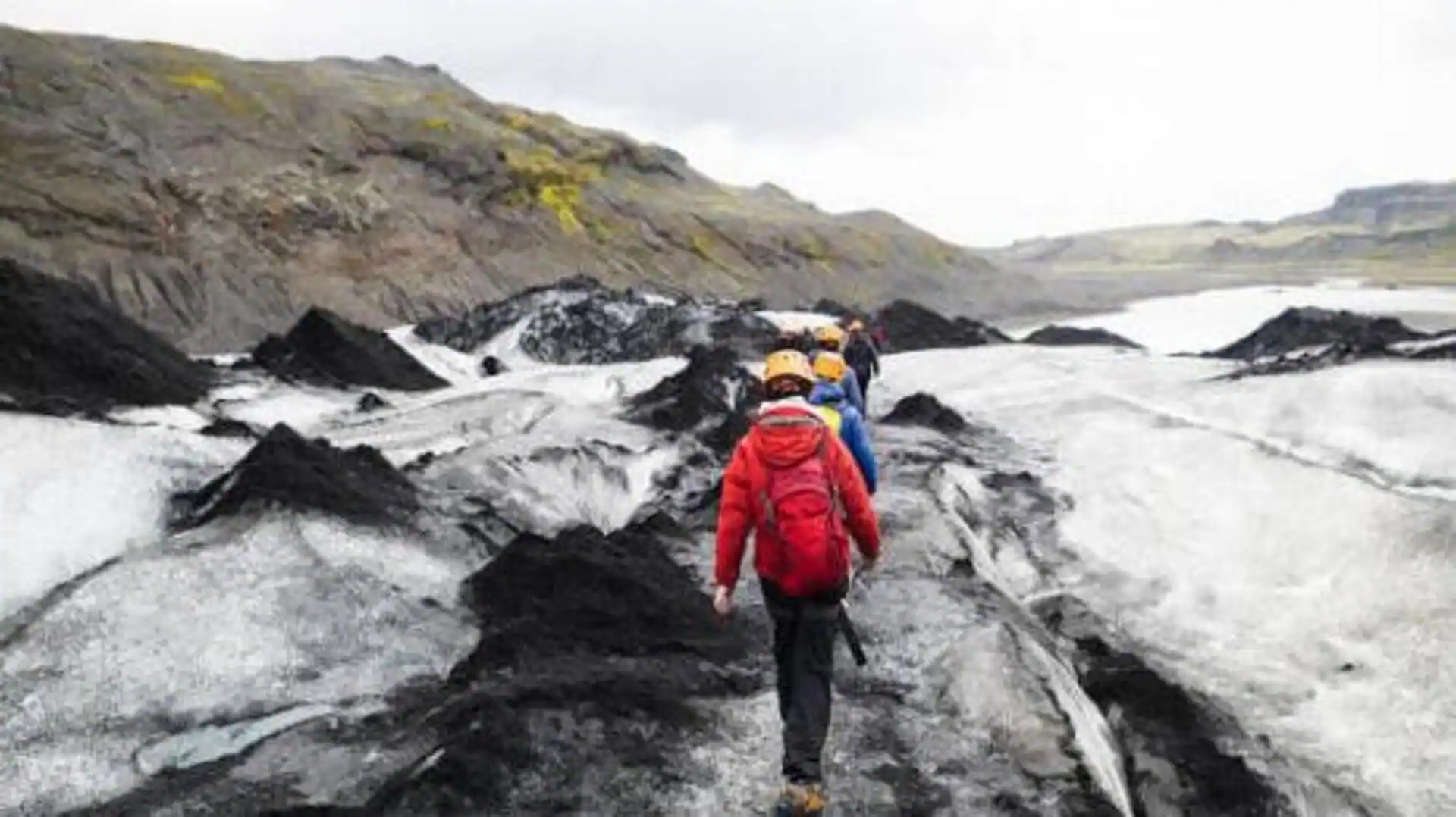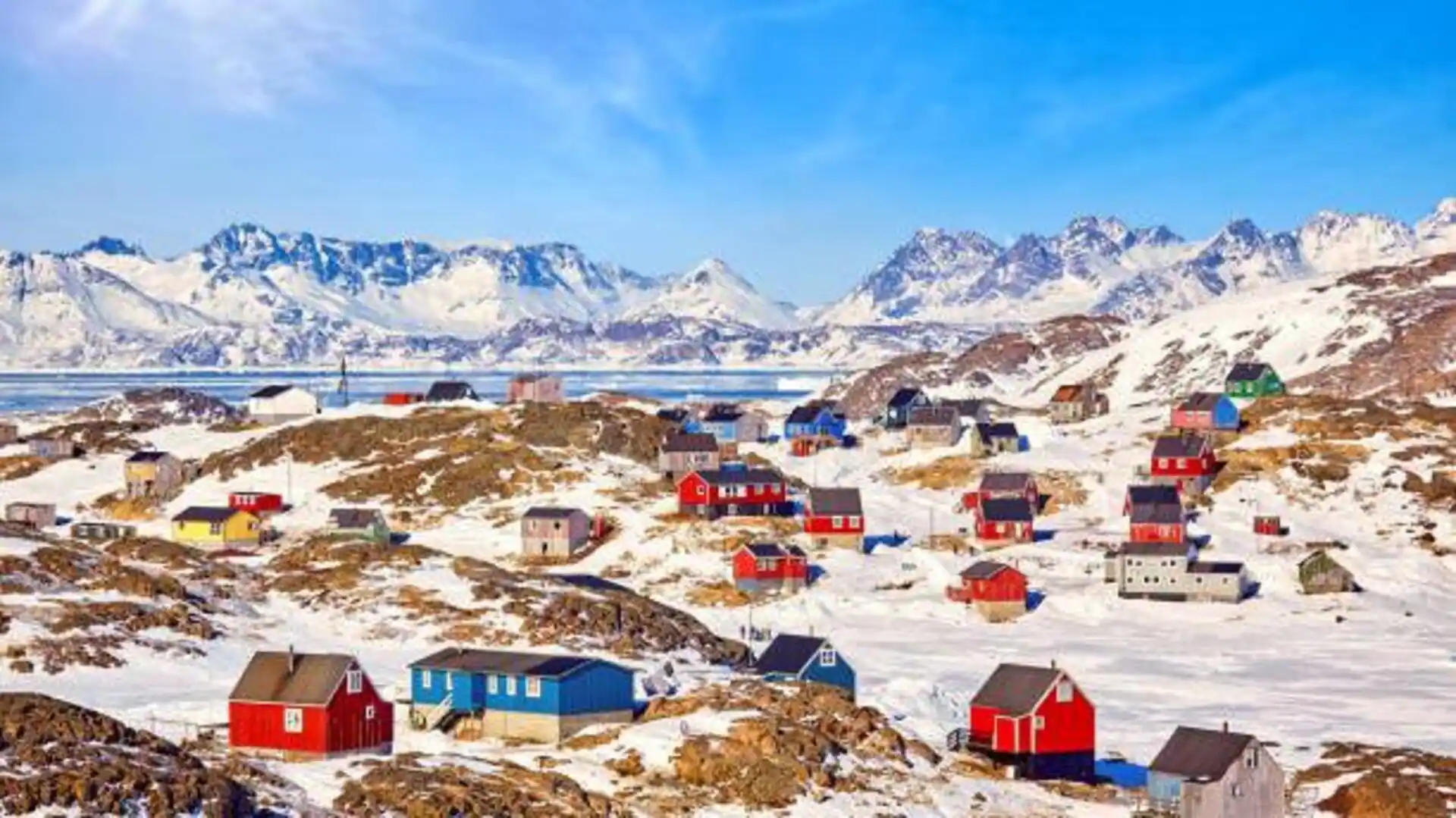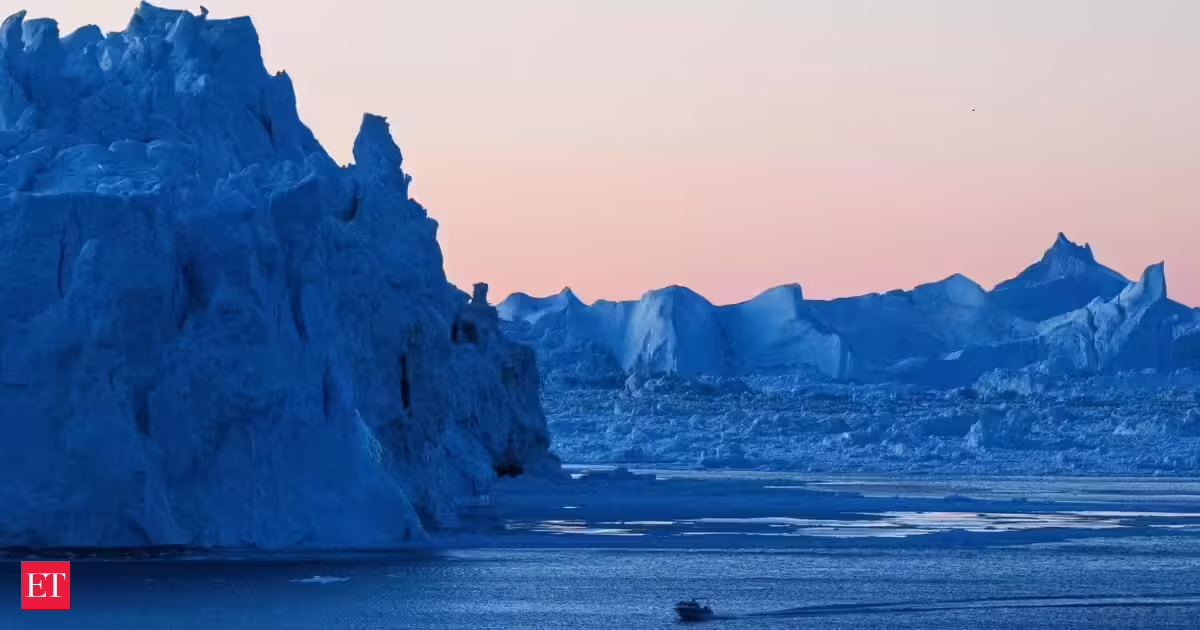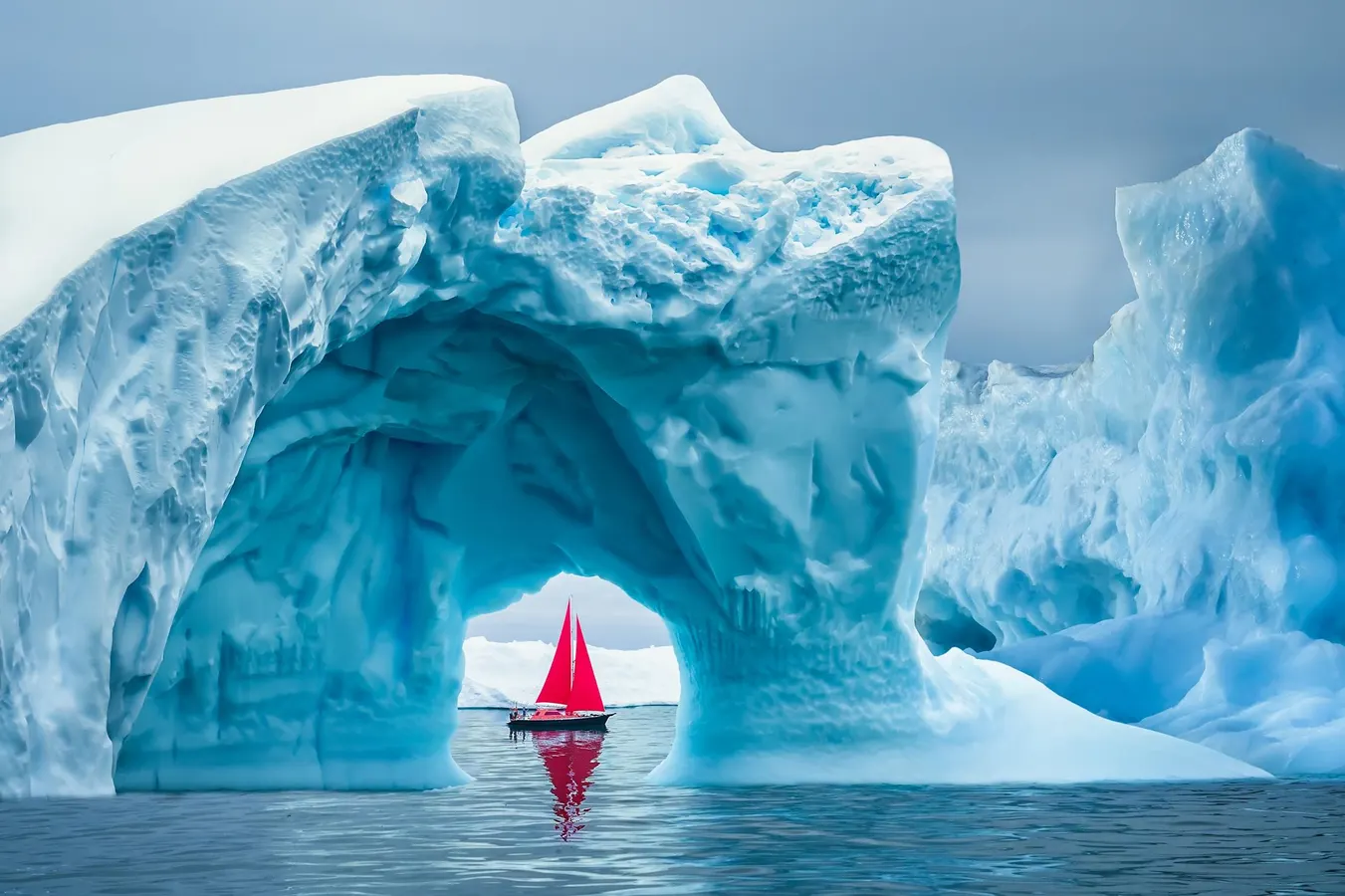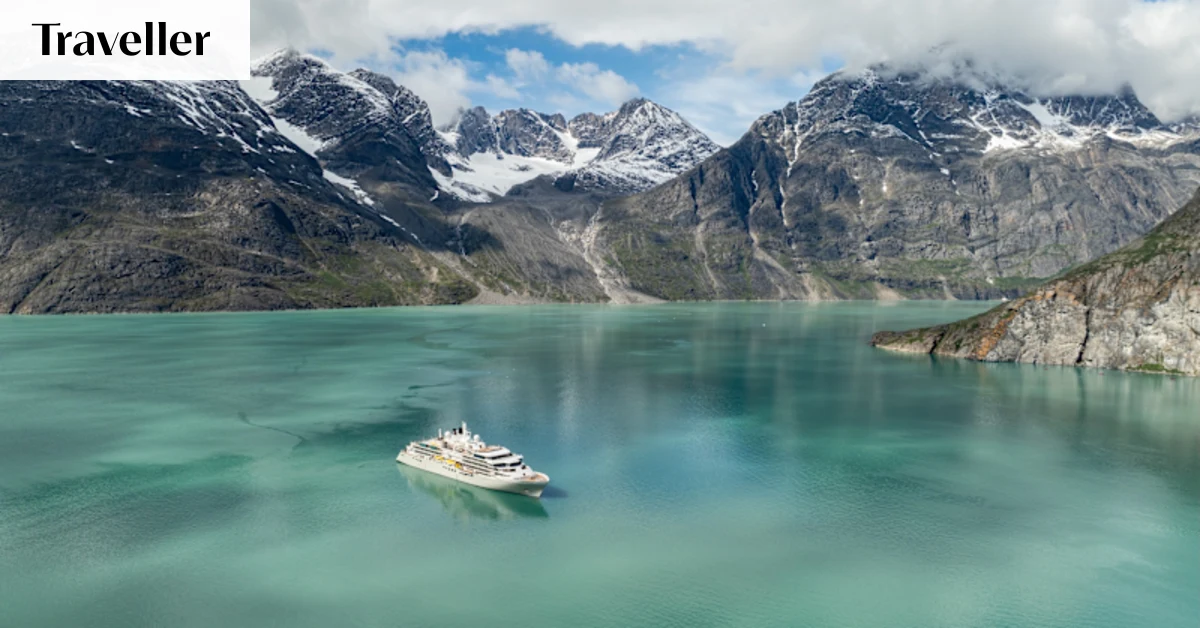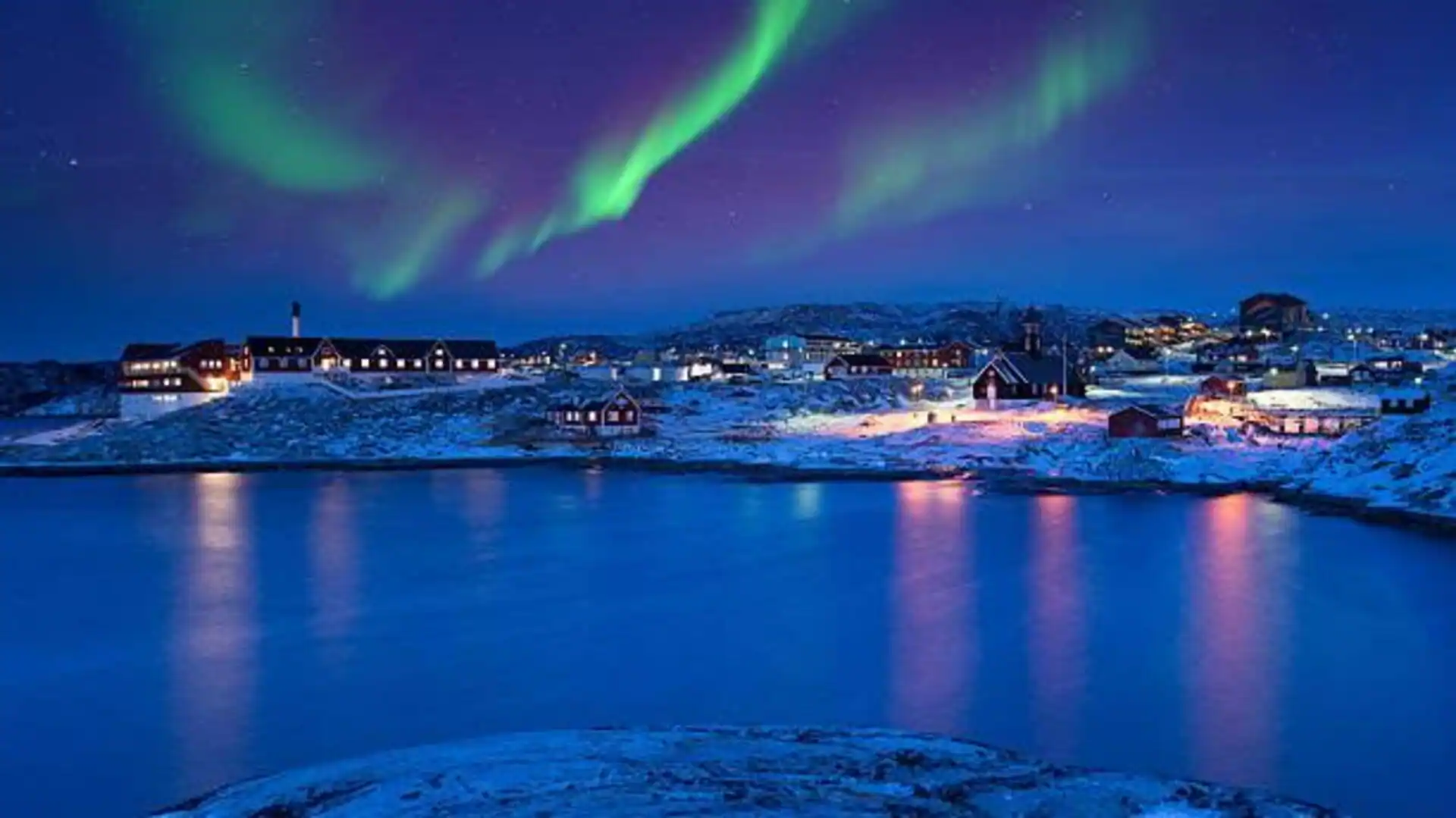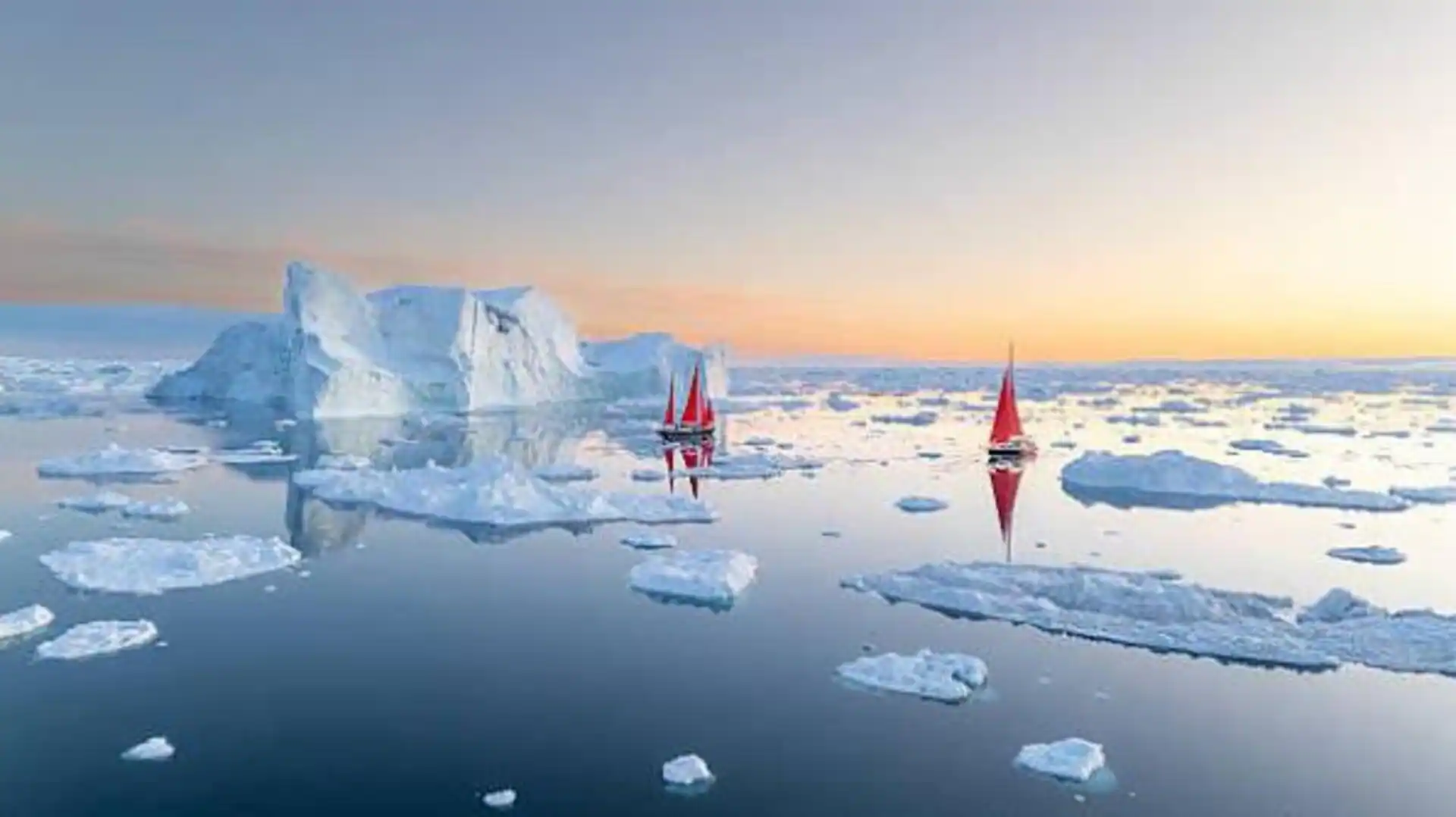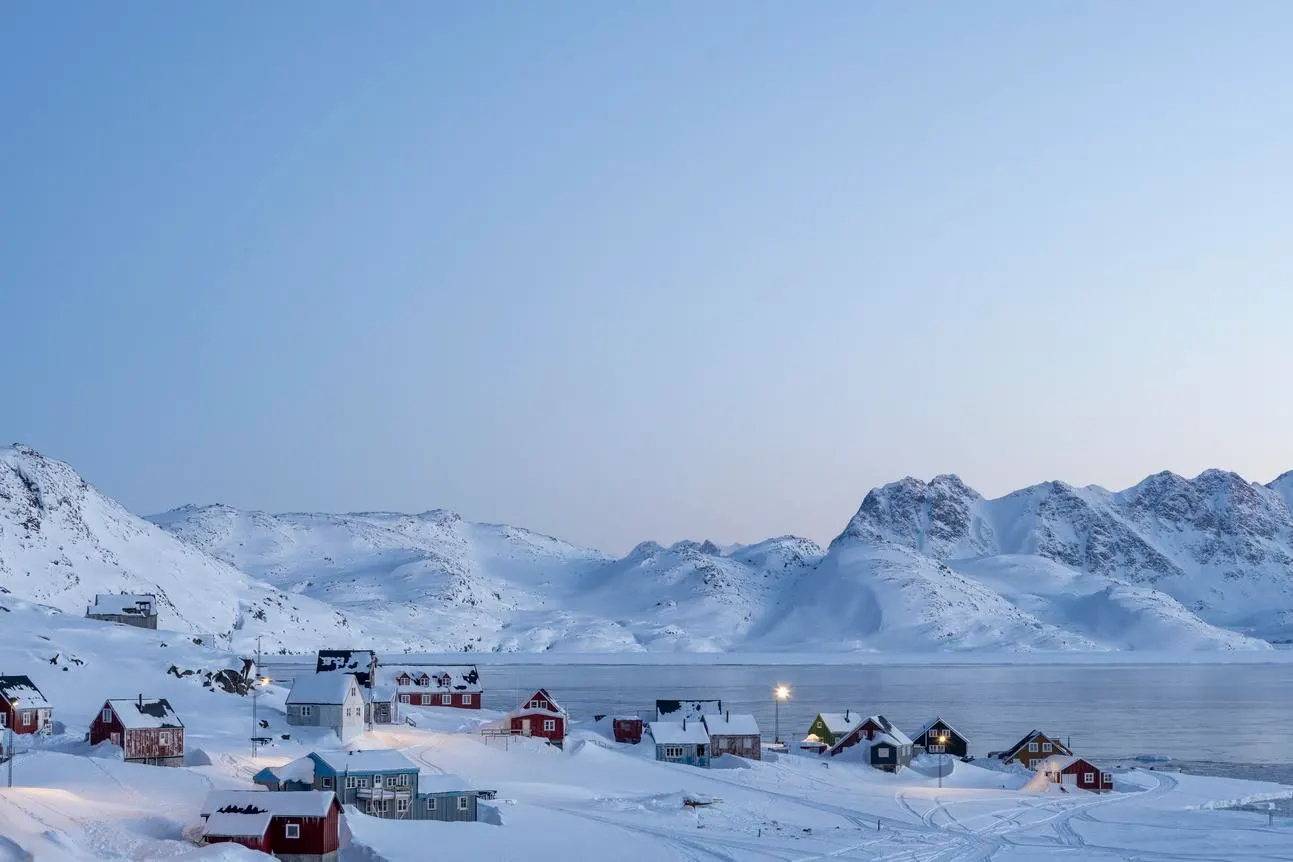
Eastern GreenlandgettyGreenland has dominated headlines for the past two years, introducing millions of people to a destination that they previously knew nothing about. Once travelers begin researching the Arctic island, they are finding something far more important than geopolitics: towering icebergs, whale-filled fjords and fascinating Inuit culture. Here’s why so many people are exploring one of the world’s last true frontiers. Increased Interest for GreenlandPicturesque village on coast of Greenland.getty“I see three things driving the interest in Greenland,” says Jane Hermstedt, travel advisor and owner of Niveus Travel. “The first is access: as of 2025, you can fly direct from the U.S. from Newark to Nuuk in under five hours. The second is politics: the U.S. openly floating the idea of buying an entire country was a huge news story, and Greenland got months of coverage. They may not have wanted the attention, but it was an incredible free marketing campaign. And the third is that people are increasingly being drawn to wild, remote, natural places. Greenland aligns perfectly with that trend.”What’s the Best Way To Experience Greenland?Adventure Canada's Ocean Nova in Greenland.Nancy EdwardsHermstedt advises her clients to do an expedition cruise. “Greenland just isn't set up for land-based travel yet,” says Hermstedt. “There aren't a lot of hotels, distances are enormous, and there's not really a road network. Almost everything you're going there to see, you can only really reach if you're traveling by water.” She explains that the best expedition ships open doors to encounters that just don't exist any other way.Meaningful Travel Experiences in Greenland “Travelers are increasingly looking beyond traditional bucket-list destinations in favor of places that feel genuinely remote, authentic and less visited, and Greenland offers exactly that,” Michele D'Agostino, travel advisor and co-founder of Secret Atlas. “There's also a growing appetite for meaningful travel experiences centered around nature, wildlife and local culture rather than conventional sightseeing.” Greenland's dramatic icebergs, vast fjord systems, Arctic wildlife and Inuit heritage create an experience that's unlike anywhere else in the world. Limited Infrastructure In Greenland Sets the Stage for Cruising “Greenland’s limited infrastructure is actually one of its greatest strengths,” says D'Agostino. “Much of the country's coastline is inaccessible by road, and many of its most spectacular locations can only be reached by sea.” This creates a far more immersive and flexible experience while helping to minimize the impact of tourism. He adds that Greenland is one of the few places left where you genuinely feel the scale and power of the natural world. It has an incredible ability to slow people down and change their perspective. D'Agostino adds: “For many travelers, it's not just about seeing enormous glaciers or whales, it's also the silence, the vast open spaces and the feeling of exploring somewhere that remains largely untouched. That's becoming increasingly rare, and it's one of the reasons Greenland leaves such a lasting impression on those who visit. As interest continues to grow, it's important that tourism develops thoughtfully.”Proximity and Accessibility of Greenland Colorful houses in the capital of Greenland, Nuuk.getty“Arctic regions are truly exciting, and Greenland is very intriguing for travelers from a proximity and accessibility angle,” says Angela DiLanzo, travel advisor and founder of Let's Go Globetrotting. “There are few destinations worldwide where glaciers and sea ice are part of the environment, you can get up-close-and-personal with locals, and is easily accessible to North American and European travelers.” She notes that for people unfamiliar with expedition cruising, it’s a great way to reach Greenland. “Expedition cruising is nothing like standard cruising,” says DiLanzo. “It’s small ship community between guests and expedition staff. There are often educational lectures onboard. Due to the potential for sea ice, many of these ships also come equipped with icebreakers, stabilizers, and other features for navigating the environment, and landings are often made via zodiac instead of standing port arrival.” Visiting Greenland Before Massive Tourism Hits GreenlandgettyPeople want to experience a destination before all the tourists come, to get the authentic experience. “Travelers are talking to locals and guides who are giving real answers, they're not sugar-coating it. You ask a question, even a controversial question, you're going to get the straight answer,” says Terry Hawkins, travel advisor, Terry the Travel Guy. “In terms of archeology, Greenland is still making discoveries, everything has not been explored yet. It feels like real Indiana Jones stuff. There are archeological sites around the world—like the pyramids in Egypt—but there have been millions of people who have seen it. In Greenland, you’re seeing and experiencing something that very few have; to be part of that, however small a part, is pretty wonderful.”Hawkins, too, believes that expedition cruising is one of the best ways to really see Greenland. Not only do you go to the places that the larger ships can’t, but one of the biggest benefits of expedition cruising is the connections you make. “If you are on a larger ship, you’re lucky if you connect with three or four people. On expedition ships, like Adventure Canada’s In the Wake of Viking itinerary which travels along the coast of Greenland on the Ocean Nova ship, there are only three or four people you won’t meet—it’s that intimate.” You not only really connect with the other guests, but you develop a close bond with the expedition team, crew and guides. Hawkins, who specializes in cruising, says that the secret sauce to Adventure Canada’s Greenland itinerary is the fact that there are Greenlandic Inuit experts on board. “These Inuit guides are given the authority by the company, and by the guests, to really speak to their experience and knowledge of Greenland. In the past, if there was an Inuit guide who would give a lecture or explain an aspect of their history, the passengers would then turn to the white person to get confirmation that what the Inuit person was saying is correct. And here, both the company and the passengers put the authority where it should be: on the person that's the expert, the real expert, and that’s the Greenlandic Inuit guides.”The Inuit Perspective In Greenland gettyThe excitement of Greenland has been growing and it’s become this niche destination that everyone wants to experience before it changes too much,” says Tupaarnaq Thorleifsen Egede, an Inuit Cultural Guide based in Greenland. “People see it as an opportunity to see something that most people never have.” She notes that it’s important to have local Greenlandic Inuit guides. “A lot of the information or data that is out there is from another culture viewpoint, because Greenland was colonized, so there’s some misunderstanding and misinterpretation,” says Egede. “That’s why it's really important that you actually get the local Inuit guides to take you around and explain the connection between the environment and culture. When it's the person from that place, the person who is rooted in the environment that shows you around, it makes a big difference.”Greenland wants to grow its tourism slowly and responsibly. What’s key is making sure the local Inuit people are a big part of it. “The local Inuit guides like working with companies like Adventure Canada because they employ locals from each area and region that they visit,” says Egede. “That’s really important to us.”Keeping An Open Mind When Coming to Greenland “Travelers should come with an open mind, because culturally we are quite different, especially from the European or the Western cultures,” says Egede. “A lot of people often come with this narrative of what they think Greenland will be. It’s important to come with an open mind and ask a lot of questions, especially of the locals.” The Growing Role of Inuit People in Greenland’s Tourism LandscapeA small village in Greenlandgetty“It’s very important that we give our perspective,” says Aka Simonsen, archaeologist, historian, and Inuit cultural educator. “As an Inuit, it’s important that we are a part of the conversation, to give our perspective.” She notes that when people first come to Greenland, everybody talks about the ice sheet, climate changes, and the minerals, but when people actually visit they interact with the Inuit people and learn about oral traditions, and the way their ancestors lived. Simonsen notes that there’s been a big shift in tourism since she started in the field 15 years ago. “When I applied for jobs then, they would say that they did not Greenlanders. Now on cruise ships, there is a demand to having Inuit cultural guides. I used to be the only Inuit on a sailing, but now it’s not uncommon to have some companies—like Adventure Canada—where there are several Inuit people in different staff roles.”Cruising to Remote Parts of GreenlandExpeditions ships can do unique activities like hiking in remote places.Nancy Edwards“Even as a Greenlander, I live in the southwest and I don’t have access to the Southeast or Northeast, so for travelers to be able to get to see that part of the island is really remarkable,” says Simonsen. She explains that East Greenland is difficult to access. It’s hard to get around Greenland, communities are not connected by roads, and while there are small planes and helicopters traveling domestically, weather, including strong winds or fog, can delay flights. The best mode of transport is boats. Also, when traveling on an expedition cruise ship, it’s possible to not only go hiking in nature or take zodiac tours of icebergs and glaciers, but you can visit different size towns to really see how people live. Nuuk, the capital, is sometimes called mini-Denmark, so it’s important for travelers to visit smaller communities and farms to see the culture and how Greenlanders live. View Greenland Through the Lens of the Inuit People “As Inuit, it's a big part of our lives is to enjoy the silence, and I think passengers on cruise ships start to understand and appreciate that when they visit here,” says Simonsen. They don’t need to talk to another person every minute to feel connected, they can connect by hiking in nature, listening to the birds and seeing the waterfalls. The landscape is so expansive, just being a part of it, you feel the connection.Unique Experiences in Greenland A humpback whale in Greenland.getty“When we did this Greenland itinerary last year, we had the former Prime Minister of Greenland on Adventure Canada as part of our team, giving lectures and talking to guests,” says John Blyth, expedition leader for Adventure Canada. “She was also interacting with locals when we were on land and it was a great experience for everyone.” He explains that expedition cruising is one of those things that people often don’t get it until they do it, and once they've done it, they become hooked, which is why Adventure Canada has such a high repeat visitor rate. Historical Spots in GreenlandNorse Church at Hvalsey, Greenland.getty“People perceive the Arctic as empty, and while you’re traveling to vast untouched wilderness, the Arctic is not an empty place,” says Blyth. “It’s super rich in cultural landscapes that have had people living on it for thousands of years, and we just don't know how to see that yet. Trips to Greenland are about learning to see that the landscape, just because there's not a metropolis in front of it, doesn't mean it's empty.”Traveling to Greenland Before It Changes Icebergs in Greenlandgetty“I’ve been traveling to Greenland for the last ten years and I've definitely noticed an uptake in tourism, especially ship traffic,” says Dan Freeze, expedition leader with Adventure Canada. “The glaciers are changing in a big way, receding and melting, so people are trying to get here and see it.” And see it they should, says Freeze: “It's just an amazing, beautiful wilderness destination to experience, and to meet and learn about the local people and the archeology. The fact that most of Greenland does not have trees as reference points, you lose the ability to determine distance and scale, and the landscape is even bigger and more expansive—it’s awe inspiring and kind of wonderful.”What Surprises People the Most About Greenland “The number of archeological sites, basically every landing we do has them, and seeing evidence of human history in all these places that seem to us so inhospitable, really blows people away,” says Freeze. It stirs up so much curiosity—how did people stay warm, how did they hunt for food, what was life like for them. “Our ship becomes a floating university—there are lectures from experts in their field, and then the passengers go out and see all the things they just learned about, and then everyone gets back on the ship and there’s a post review. The connection between the educational programing and the things that we're seeing really helps bring the whole place to life.” The Secret Sauce to Expedition Cruising “I’ve been traveling to Greenland for almost three decades now and I feel like it’s a time long due where its rise to fame is finally upon us, where it’s getting a lot of attention, but I feel like this has always been an outstanding destination, and one that folks should be aware of, or should have been aware of earlier,” says MJ Swan, managing director and part owner of Adventure Canada. He explains that Greenland is a great expedition cruising destination, not only for its vast landscapes, its massive glaciers and icebergs, and its opportunities for doing extensive hikes and sea kayaking excursions, but also because of the wonderful mix of Inuit culture and community that the Greenlanders have. “They are so passionate about their homeland, so passionate about their culture, and very willing and wanting to engage and share their culture with us, that just kind of brings it into this very expedition style, where it's warm, it's welcoming, and it just really makes you feel like a place that you want to spend an extended period of time.”He explains that it’s Adventure Canada’s responsibility is to be a facilitator between travelers and the destinations that we’re traveling to. “Our purpose is to be able to establish connections, we want our travelers to connect to nature, to wildlife, to our expedition team, other travelers and local Inuit Greenlanders,” says Swan. He notes that more people want to travel with purpose and meaning, and to be conscious of the impact that they’re having on the places that they’re visiting. “I find it very inspiring and encouraging that more people are having a thoughtful approach to who they’re going to travel with, why they’re going to a destination, and ultimately what they’re trying to gain from that experience.” More from Forbes Travel Are Wellness Retreats Actually Good For You—Or Just Marketing?How Travel Can Reduce Stress—Mental Health Experts ExplainDestination Wedding Gets Canceled? Here’s What Guests Should Do NextHow Travel Can Make You More Adaptable And Emotionally FlexibleHow The Food You Eat When You Travel Affects Your Gut Health
The World’s Eyes Are On Greenland And Travelers Are Following
International headlines have sparked curiosity, but massive glaciers, Inuit culture and breathtaking landscapes have inspired travelers to book the trip.
2,463 words~11 min read