When historians look back on 2025, they will remember it as the year when the fractures in the global order became impossible to ignore. Tariffs. Export controls. Economic dependencies. They became instruments of pressure and in some cases, weapons. These trends did not start last year, global trade barriers had already tripled in the year before. But 2025 was when they moved from the margins to the mainstream – when fragmentation stopped being a risk and became a reality.
The headlines and news bulletins told a story of conflict and protectionism: of countries turning inward, raising new barriers, and weaponising interdependence. That story reflects a real shift in the world around us. But it does not tell the whole story and it does not tell Europe’s story.
2026 will be remembered as the year Europe responded to this new world, by proving another path is possible. From energy to security, we are strengthening our strategic independence. Not by retreating behind tariff walls or cutting ourselves off from the world. Europe is pioneering a different route – resilience at home with openness abroad. Because strength today is not built through isolation, but diversification.
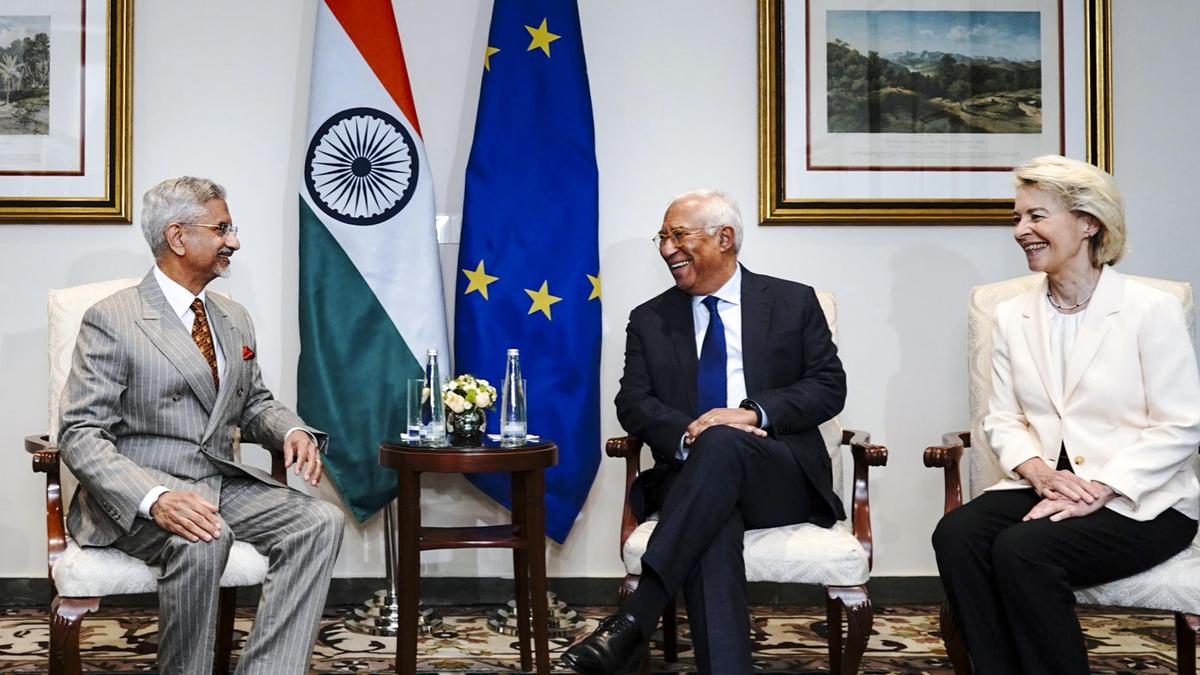
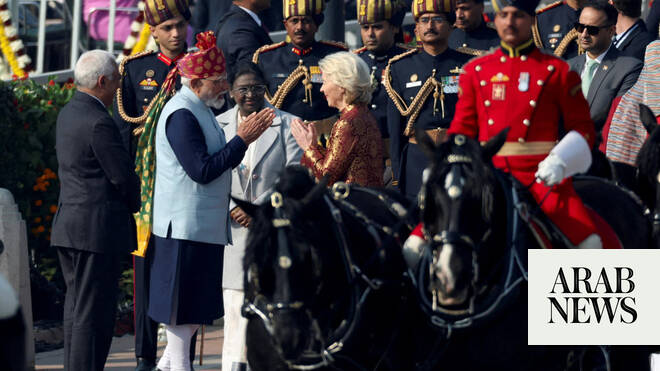
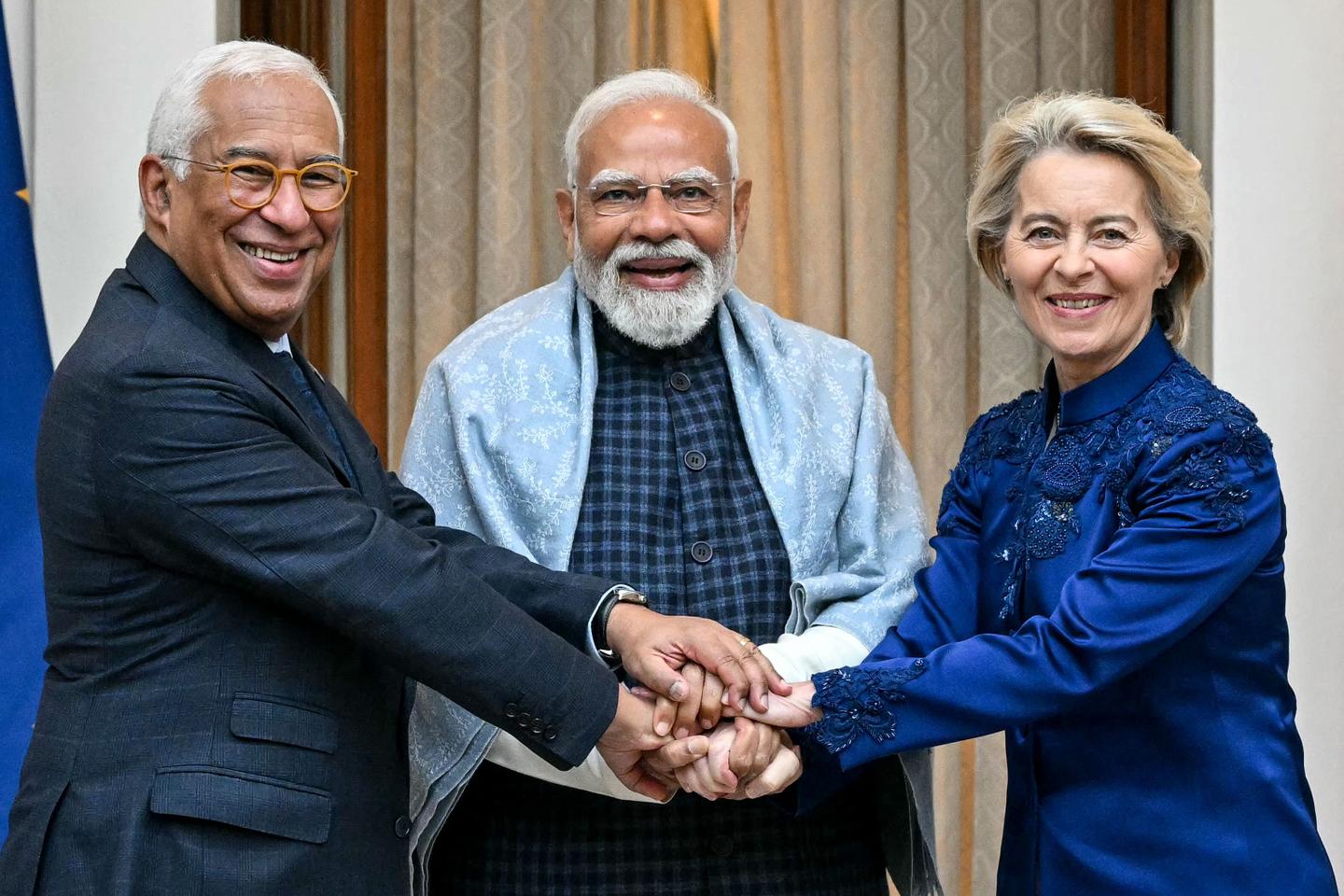
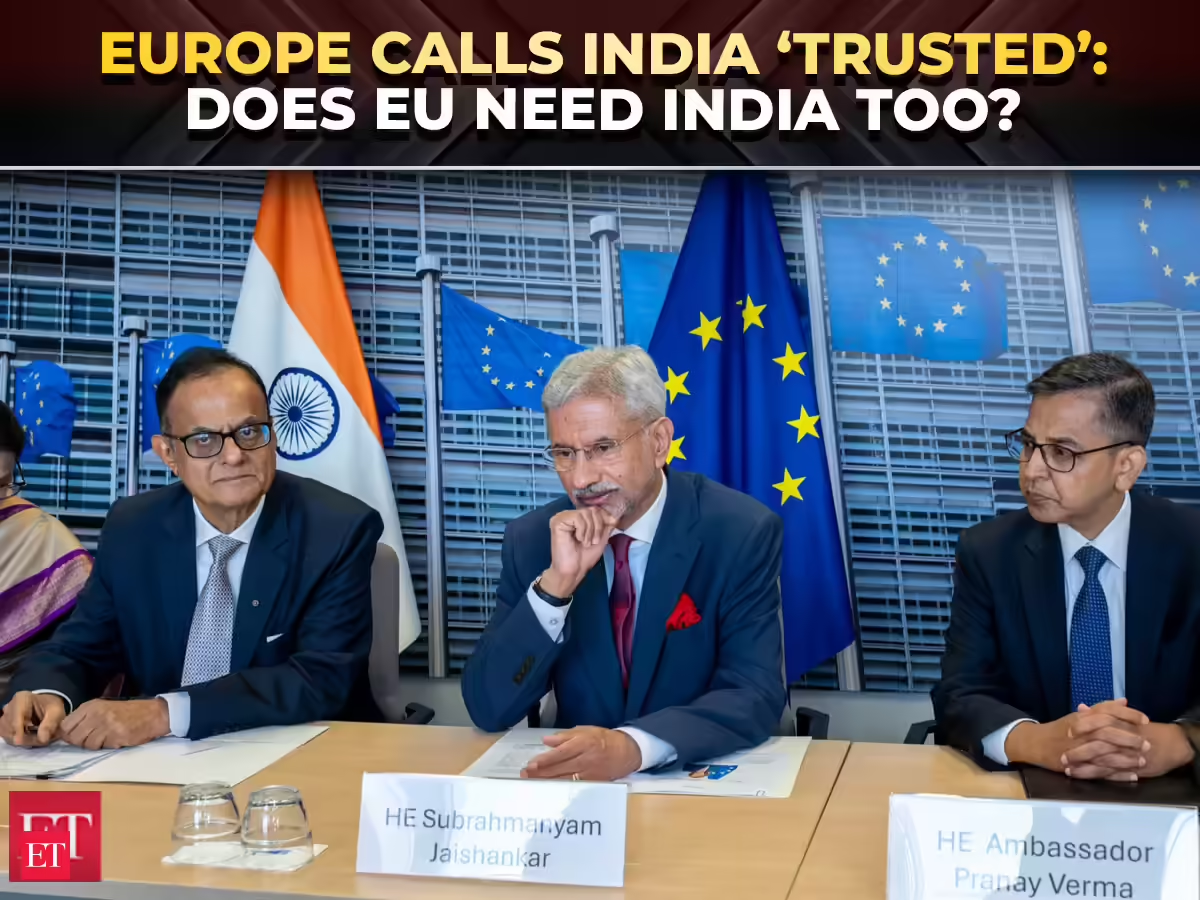
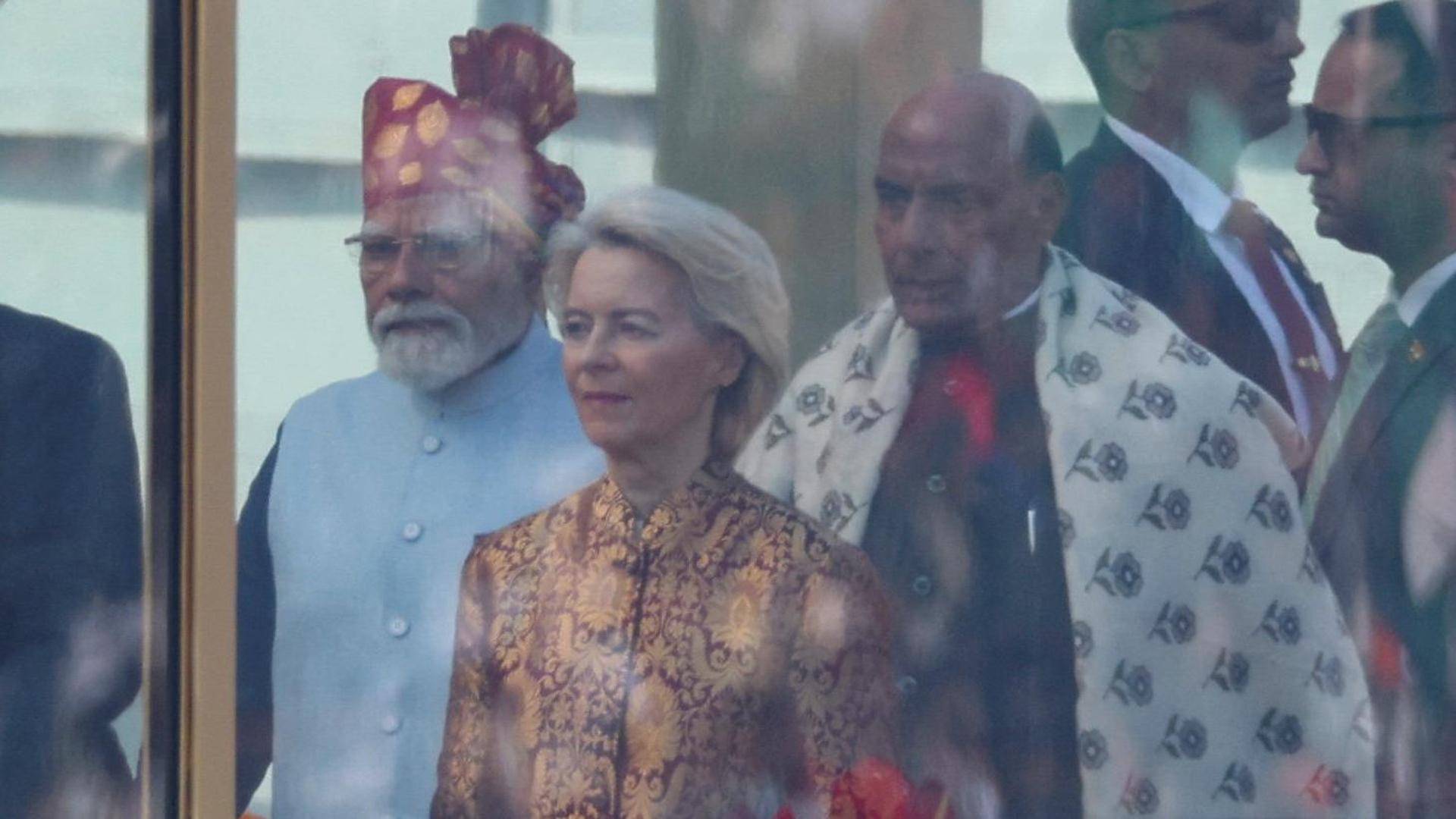
And Europe is not alone. From Canada to India, from Latin America to South-East Asia, countries are searching for a model that preserves openness while reducing dependence. Europe stands at the centre of this, not as a spectator but as a driver.