Europe’s India and Vietnam deals signal a historic shift away from coercion towards cooperation that respects developing countries’ sovereignty
F
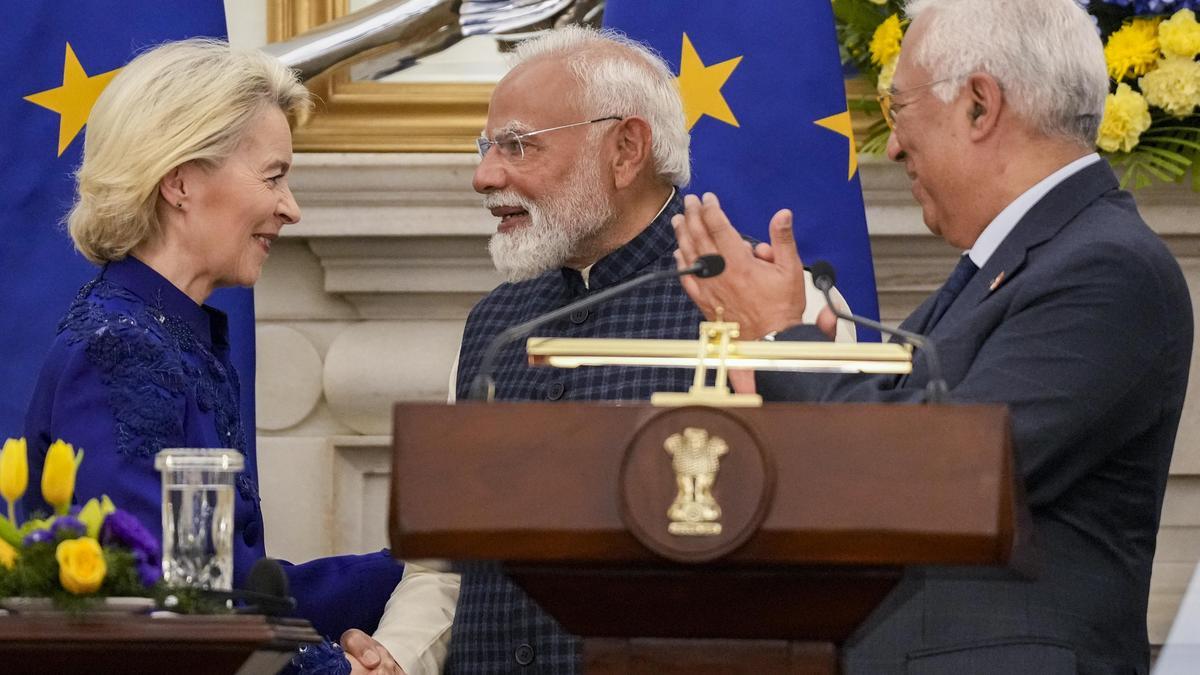
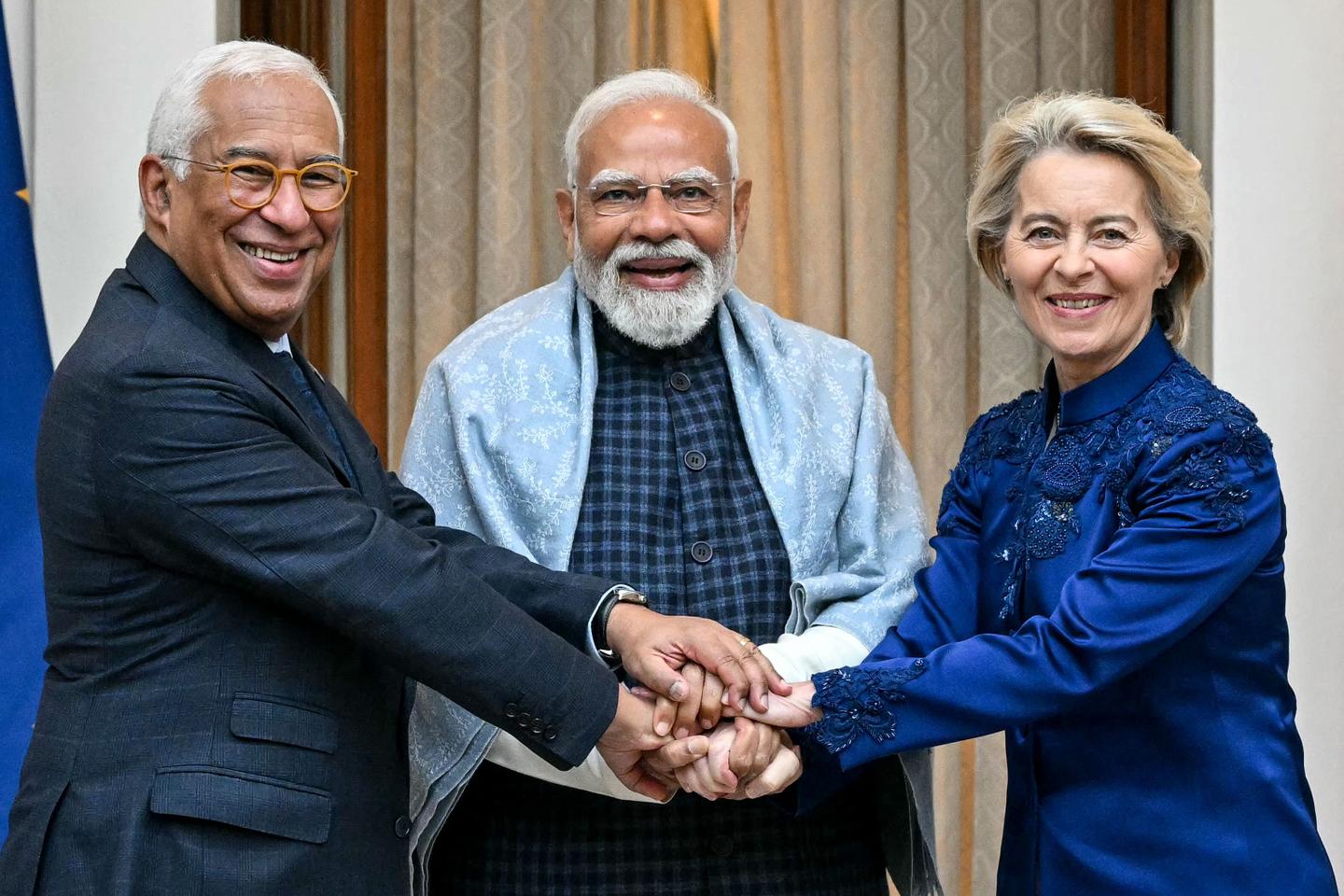
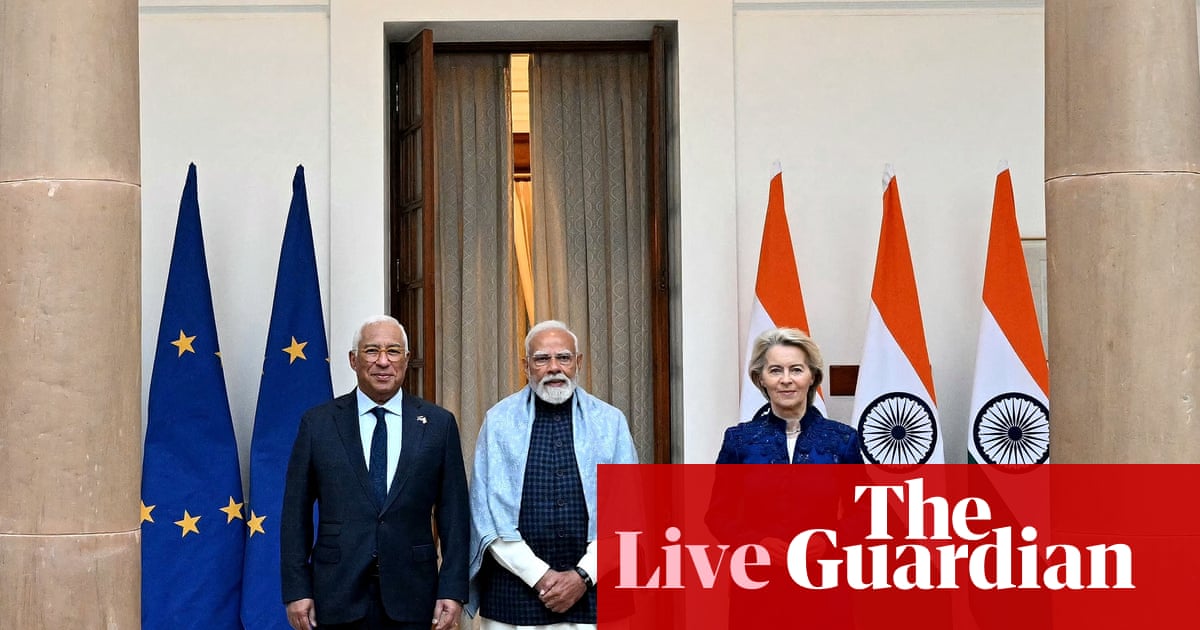
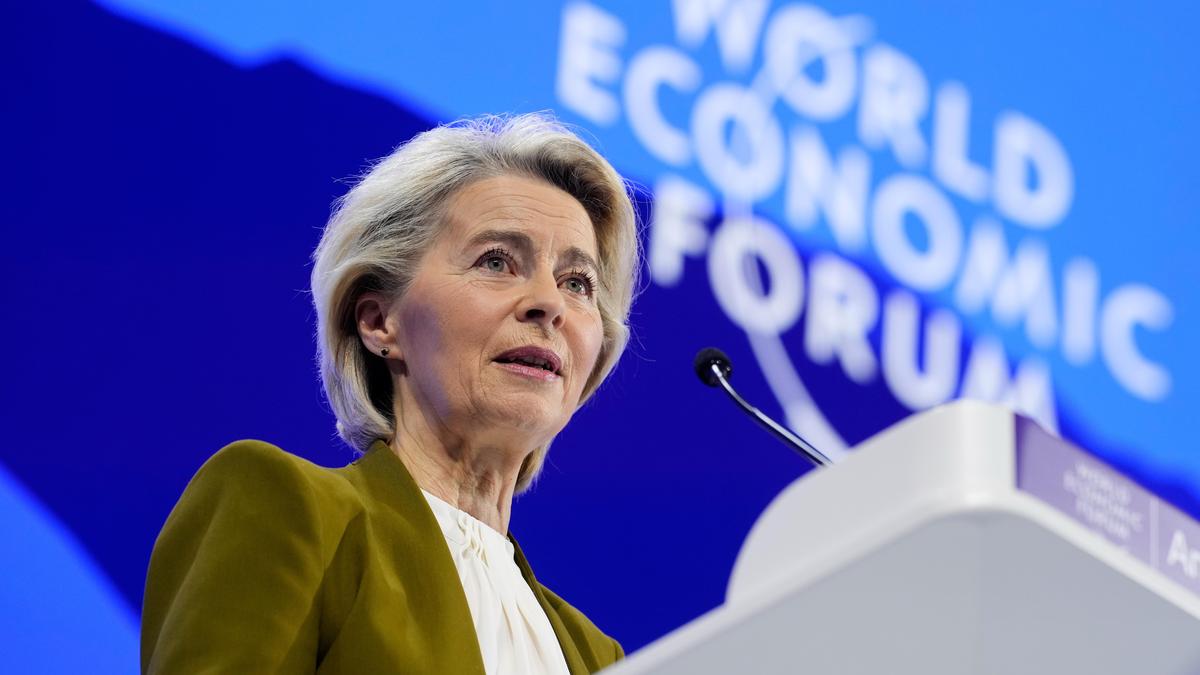
or the European Commission president, Ursula von der Leyen, the EU’s trade pact with India was the “mother of all deals”. Seen from the other end of the telescope, it looked like the mouse of all deals, with just €4bn (£3.5bn) in tariff reductions – a rounding error in a €180bn trading relationship. But that misses the point: this is about economic heavyweights resetting the terms of their cooperation because of Donald Trump’s use of tariffs as a tool of economic and political compulsion.
Last week marked a turning point. In upgrading ties with Vietnam in the wake of its India deal, Europe is no longer trying to lock Asian partners into fixed industrial roles. The EU wants Hanoi to move into hi-tech production. That shift will probably displace Vietnam’s labour-intensive manufacturing elsewhere. India is an obvious beneficiary, able to absorb that demand.
Delhi says it will give the EU unprecedented access in politically sensitive areas, most notably vehicle imports, while quotas and phase-ins protect India’s domestic strategy. Europe sees goods exports to India double by 2032. The EU, in return, opens its market widely to Indian exports, especially textiles, without making any onerous demands. Notably the deal helps Indian firms adopt and deploy advanced European technologies.