I
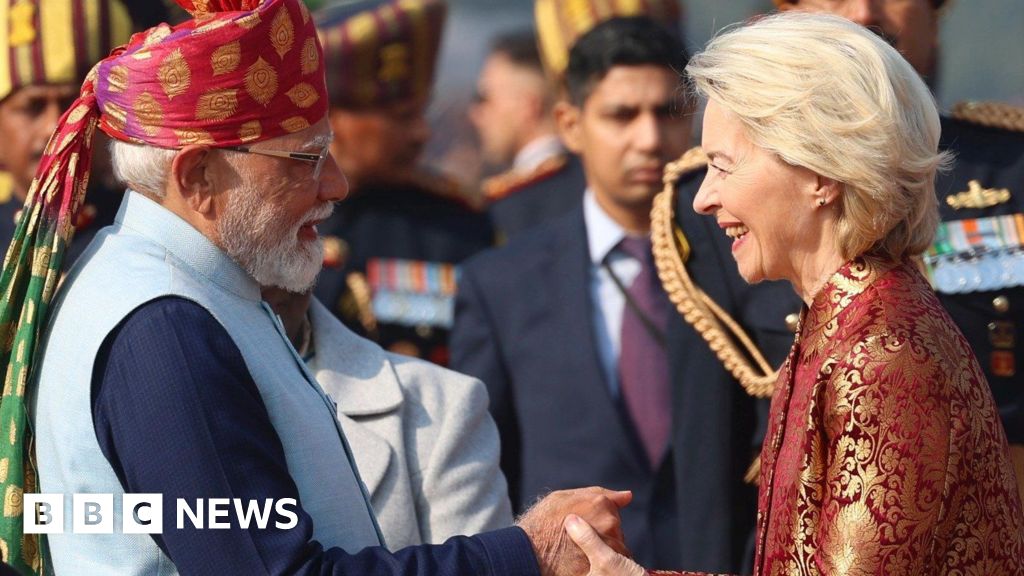
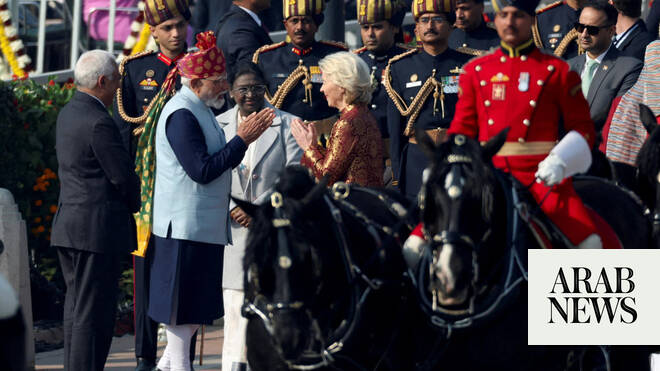
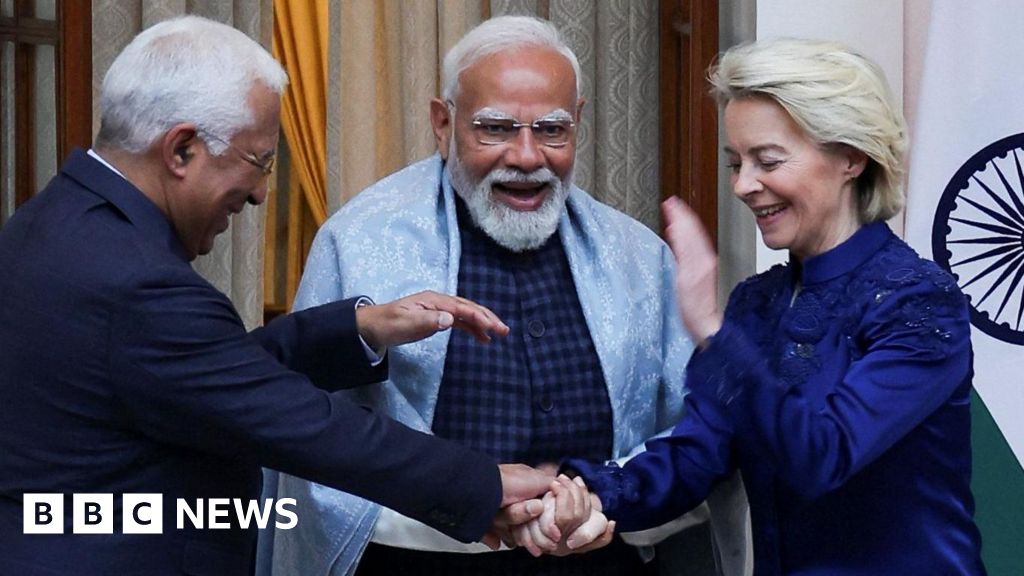
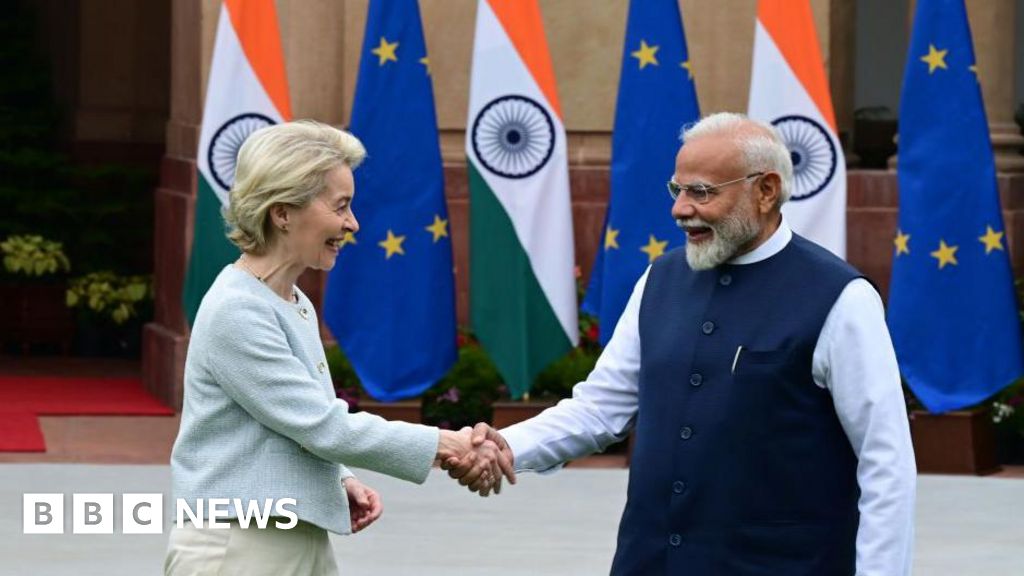
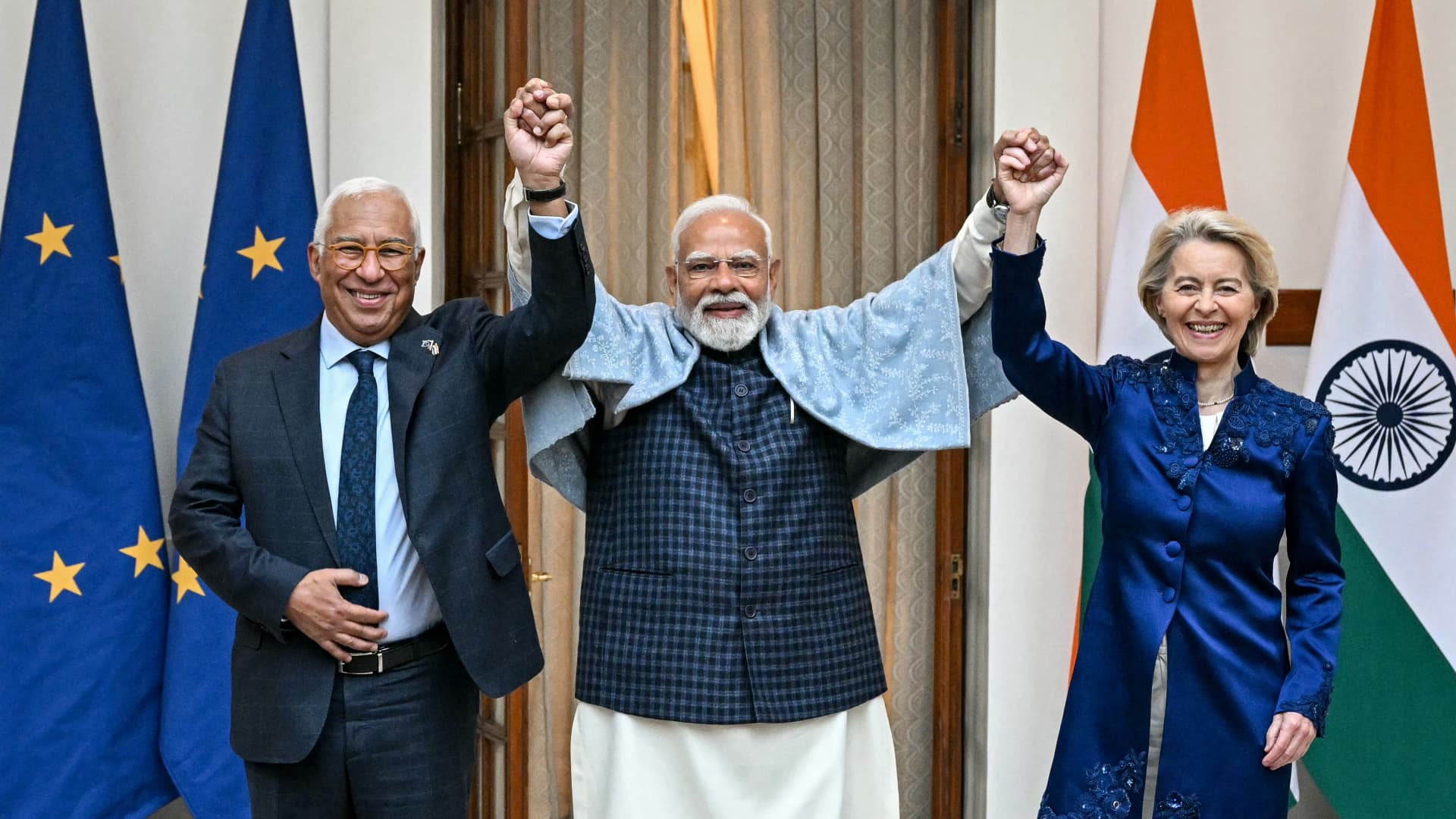
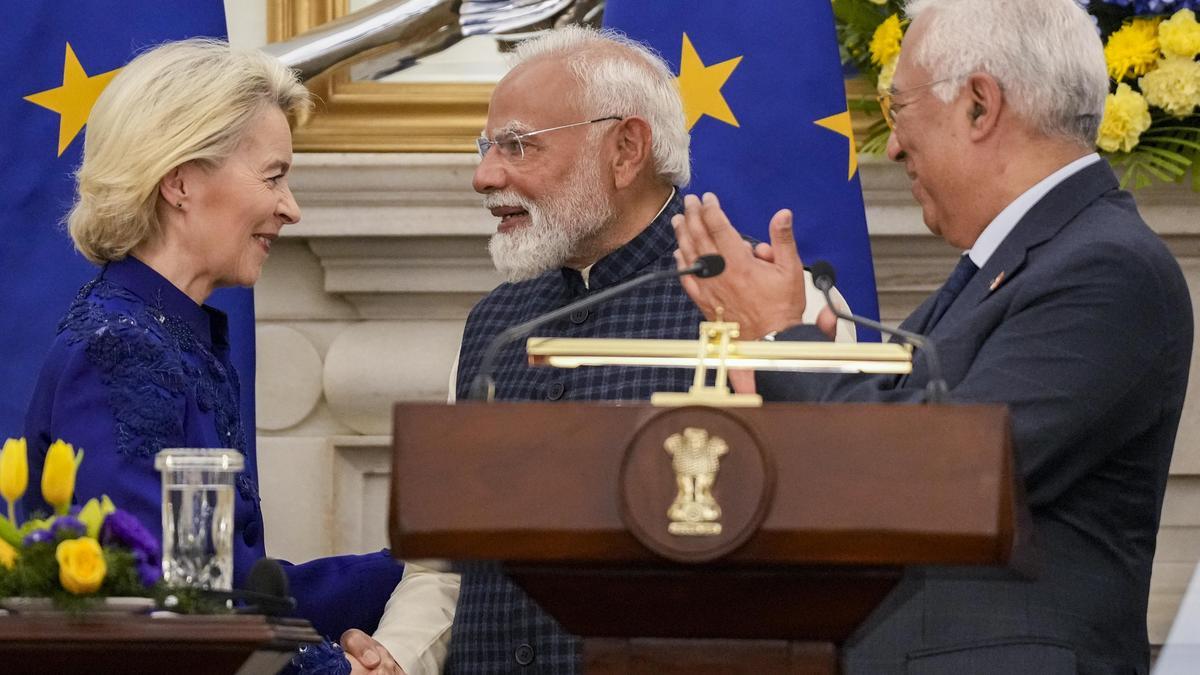
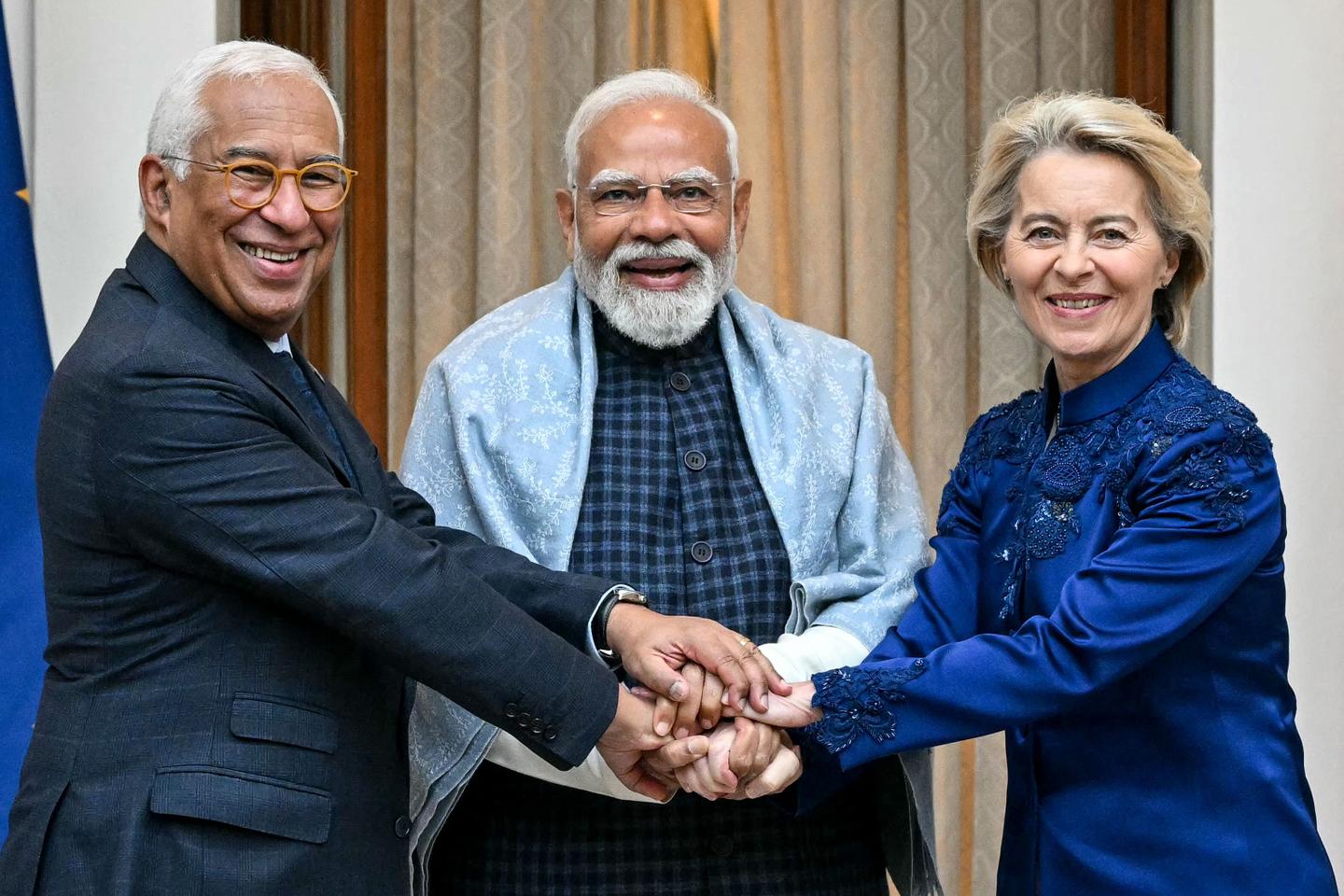
n only a few months, Donald Trump's policy, focused exclusively on US interests at the expense of its allies, has disrupted global balances. Washington's aggressive trade and strategic policies have left those targeted with little choice but to distance themselves and forge new partnerships. The signing of a free trade agreement between the European Union and India on Tuesday, January 27, should therefore be seen first and foremost as a response to this new world order.
The negotiations between one of the world's wealthiest regions and the planet's most populous country began nearly 20 years ago, well before the trade war and the return of great power politics to international relations. However, there is no doubt that the American president's strategy served as a catalyst for the deal's completion. The rapprochement between India and the EU is the result of mutual interests between two of Trump's primary targets.
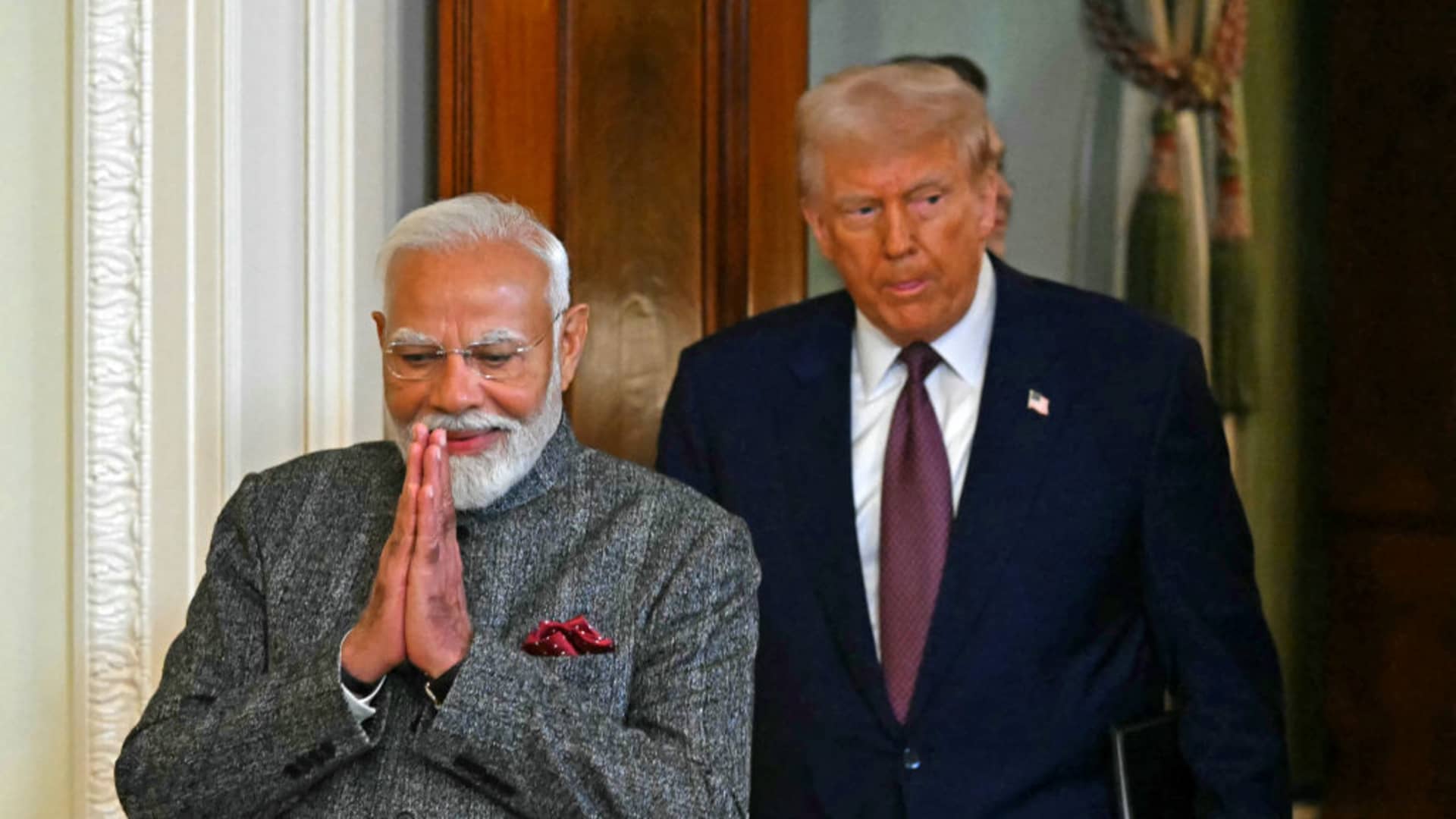
Indian exports to the United States have been hit with 50% tariffs, a level that has all but halted trade between the two countries and shattered two decades of good relations. The EU's 27 member states, meanwhile, have seen their main ally turn away, draw closer to far-right parties to undermine European integration and set its sights on Greenland, a semi-autonomous territory of Denmark. As a result, both Brussels and New Delhi have made strengthening their respective strategic autonomy an urgent priority, and this agreement is part of that effort.