I
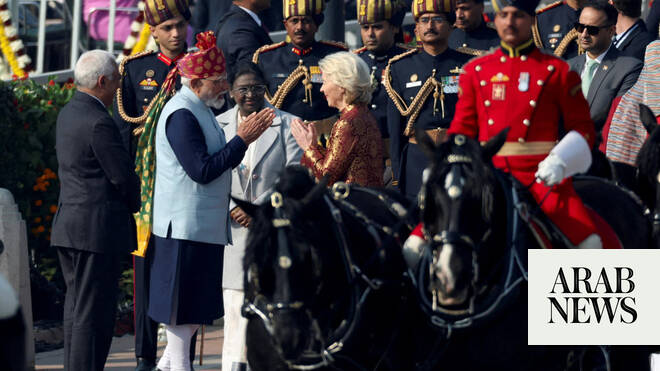
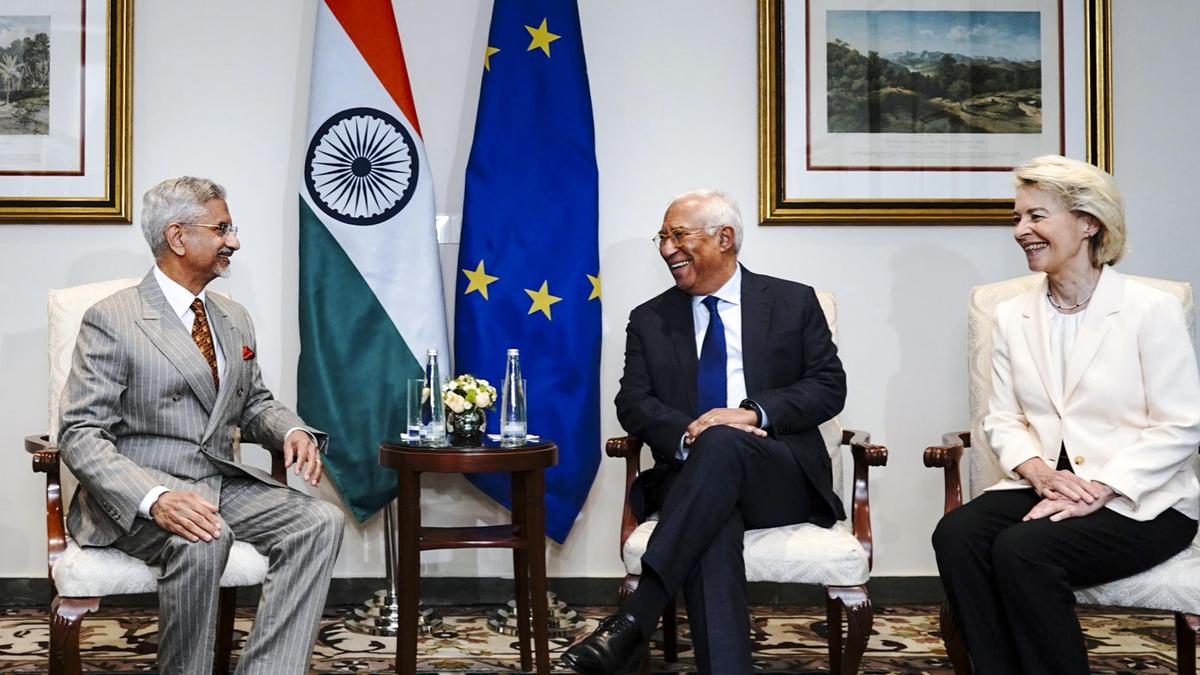
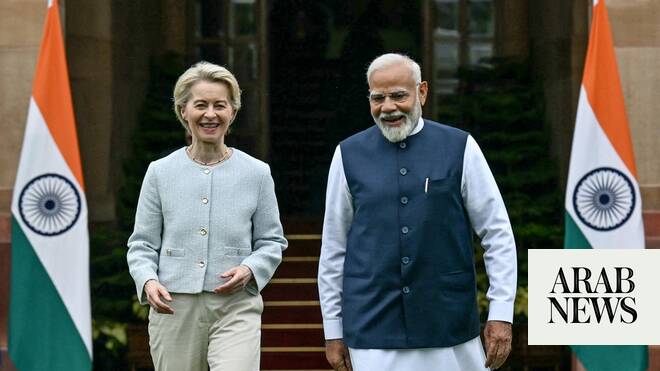
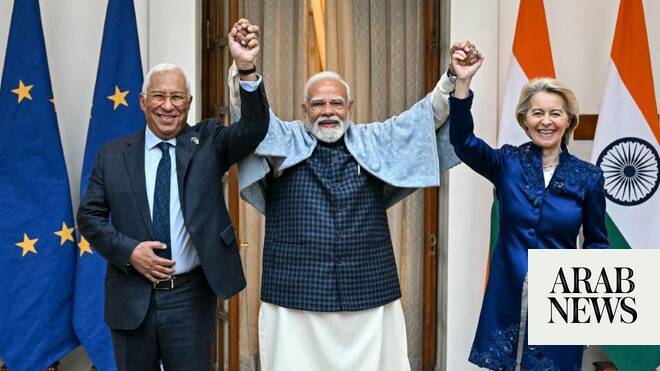
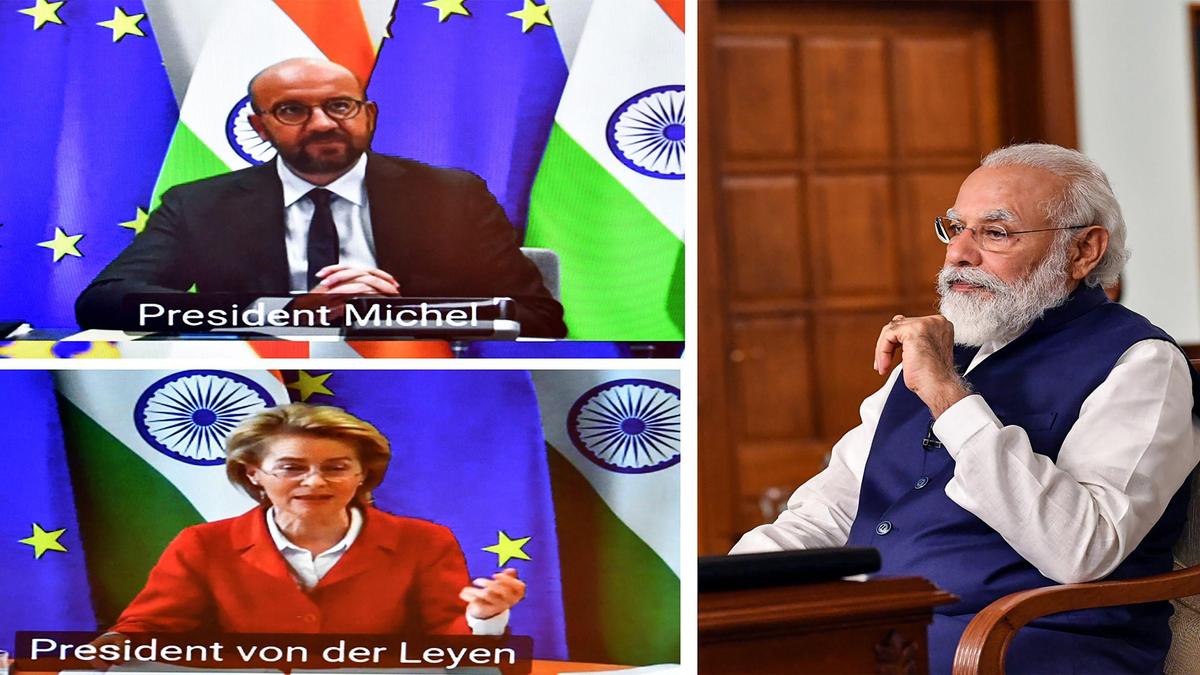
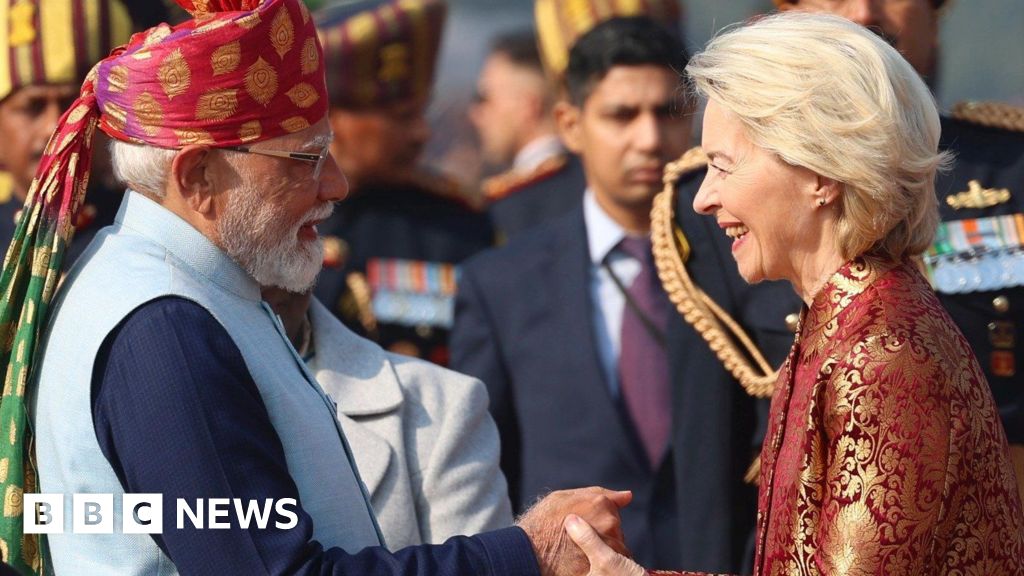
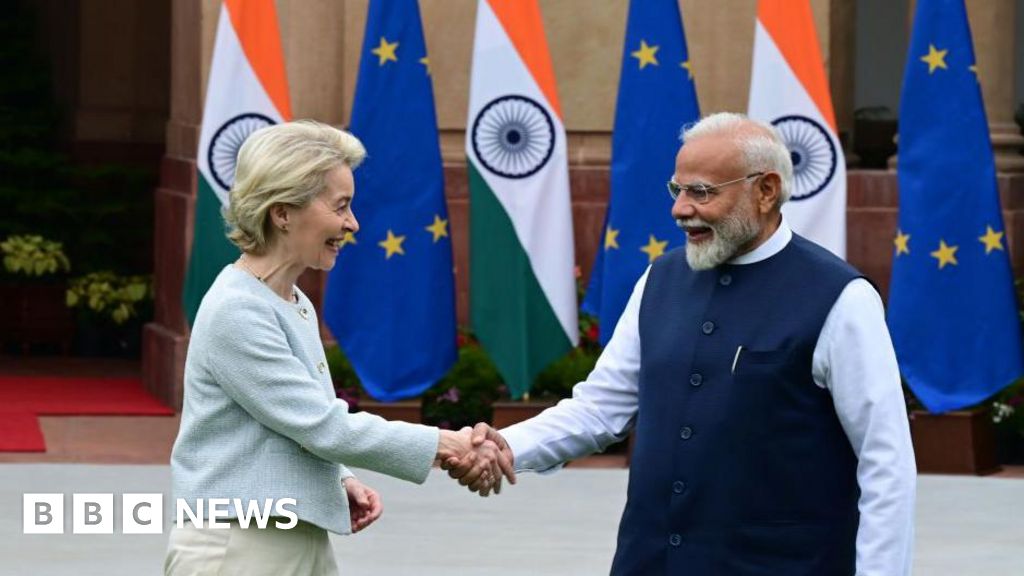
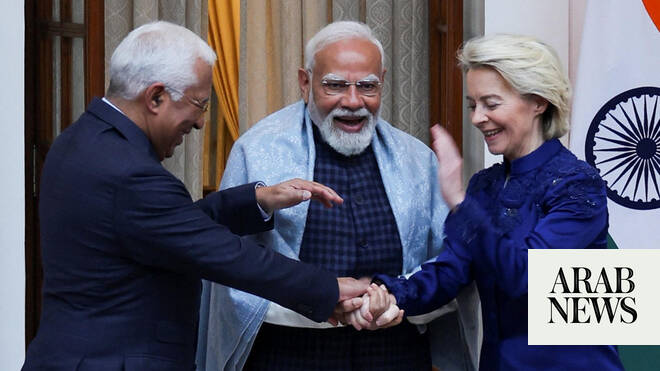
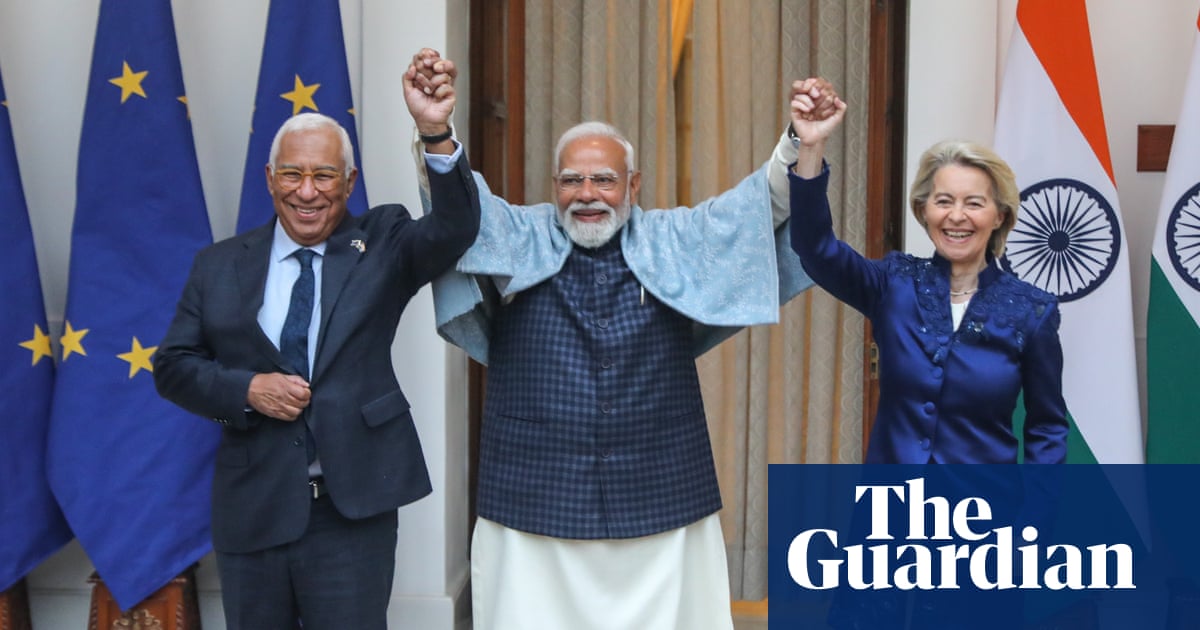
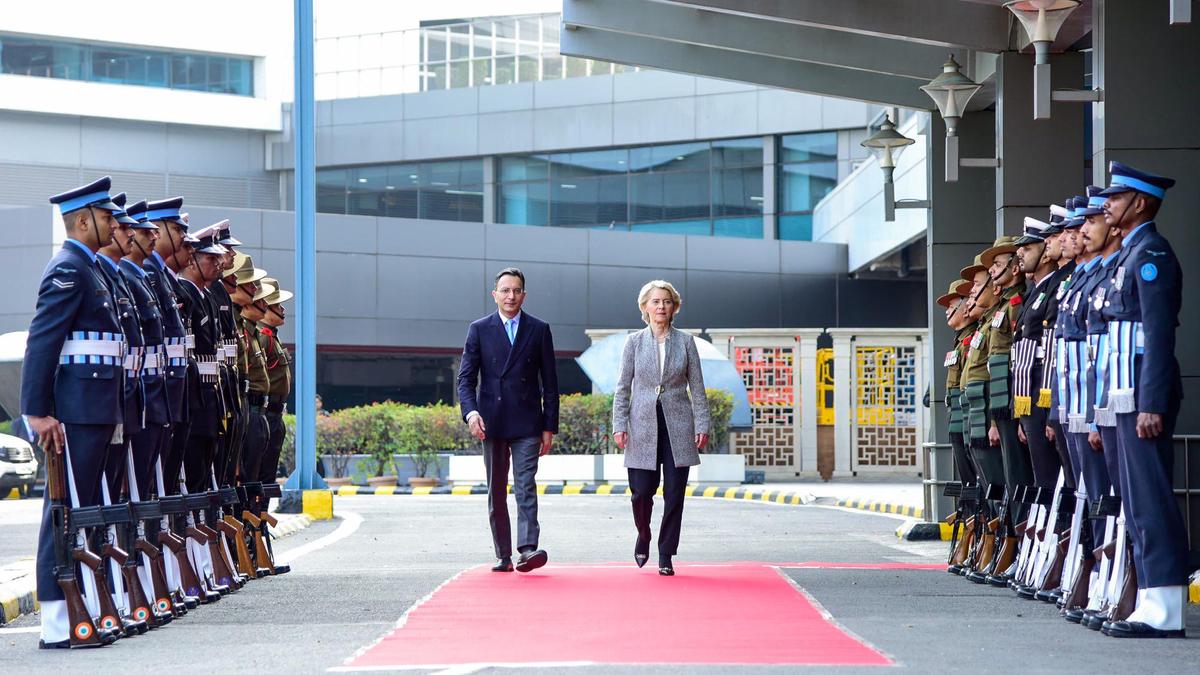
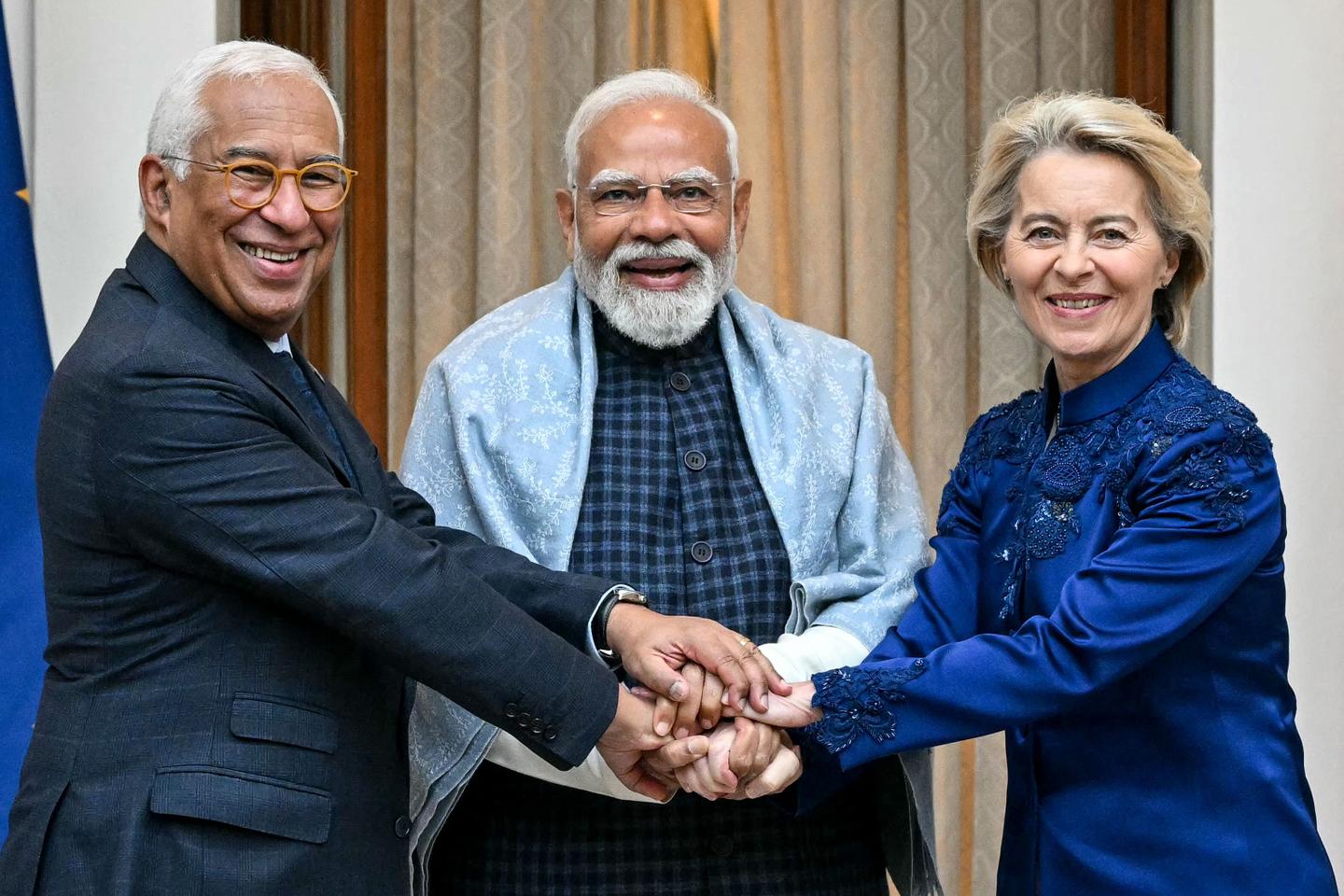
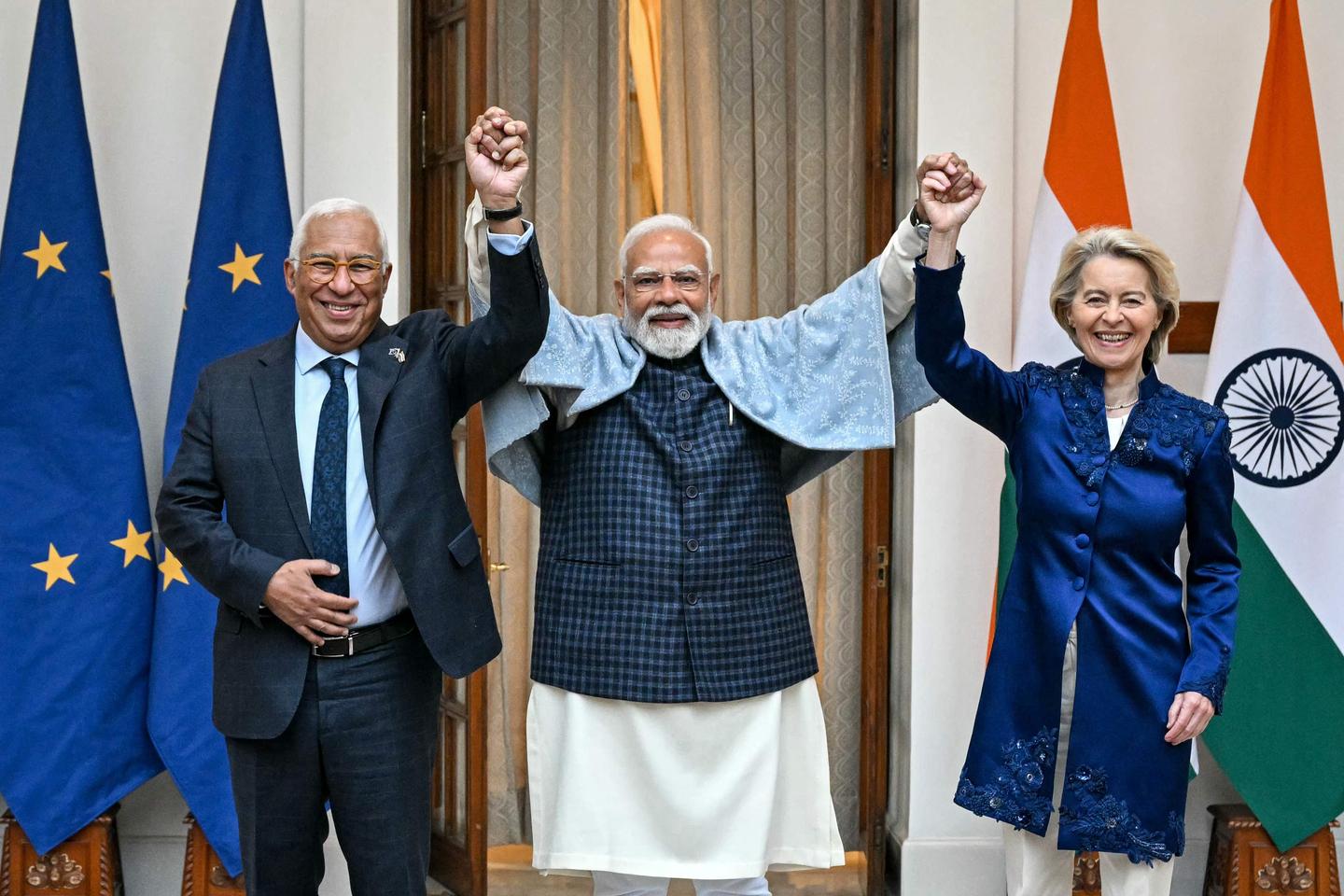
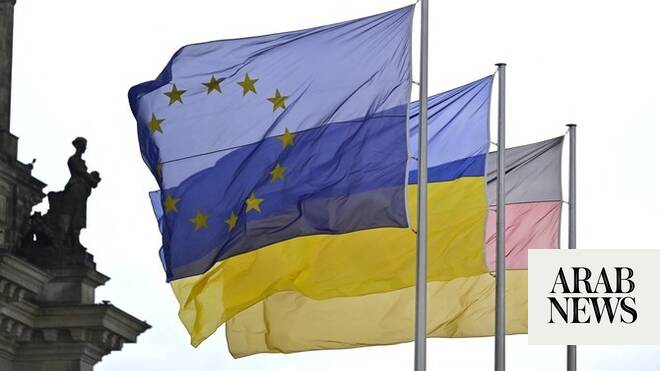
n February of last year, Ursula von der Leyen, the president of the European Commission, visited New Delhi with all of her commissioners. Less than a year later, the European Union (EU) continues to invest in its relationship with India, as evidenced by von der Leyen's return to India alongside the president of the European Council, Antonio Costa. They are guests of honor at India's Republic Day celebrations from January 25 to 27. Their visit follows a trip by German Chancellor Friedrich Merz in mid-January, and comes just ahead of French President Emmanuel Macron's visit scheduled for early February.
Subscribers only
'India and Europe are discovering new geostrategic affinities, an example of realignment amid global chaos'
The highlight of each of these visits is to discuss – or even sign – treaties or contracts, most of which concern arms deals: submarines for the Germans, Rafale fighter jets for the French. India remains the world's largest importer of foreign weaponry. As for the free trade agreement that India and the EU have negotiated for years, it is expected to be finalized during the European Commission president's current visit. Its details remain unclear, and rumors have circulated that it could fall short of both sides' expectations due to protectionist reflexes, which were closely tied to the mobilization of certain professions. That was why agriculture was excluded from the negotiations.