O
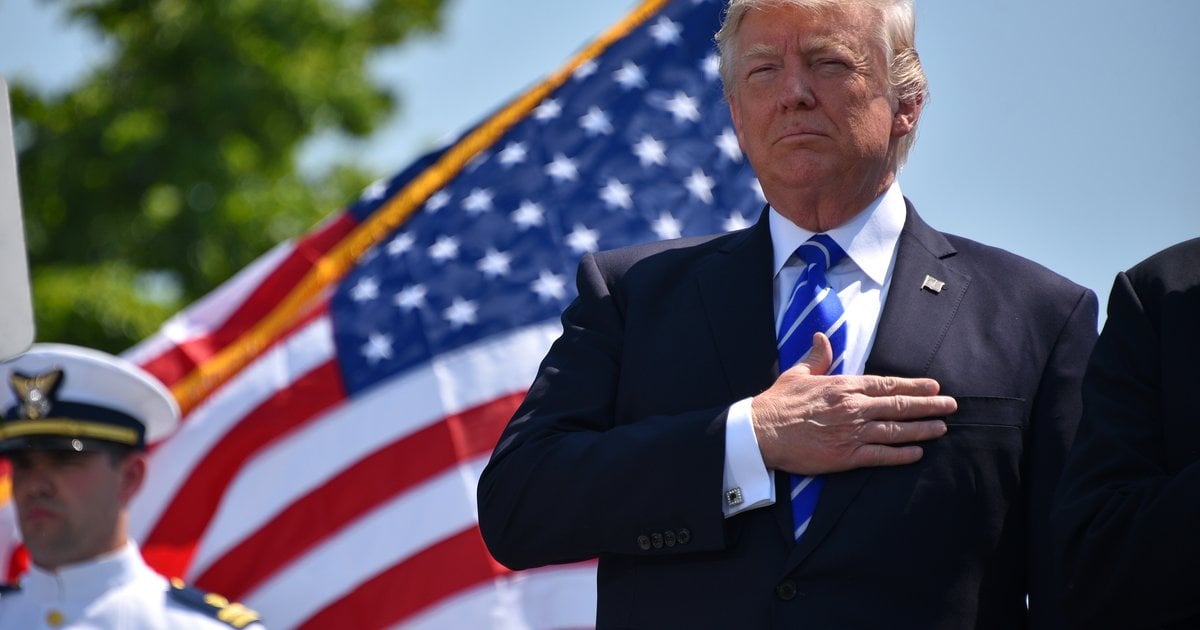
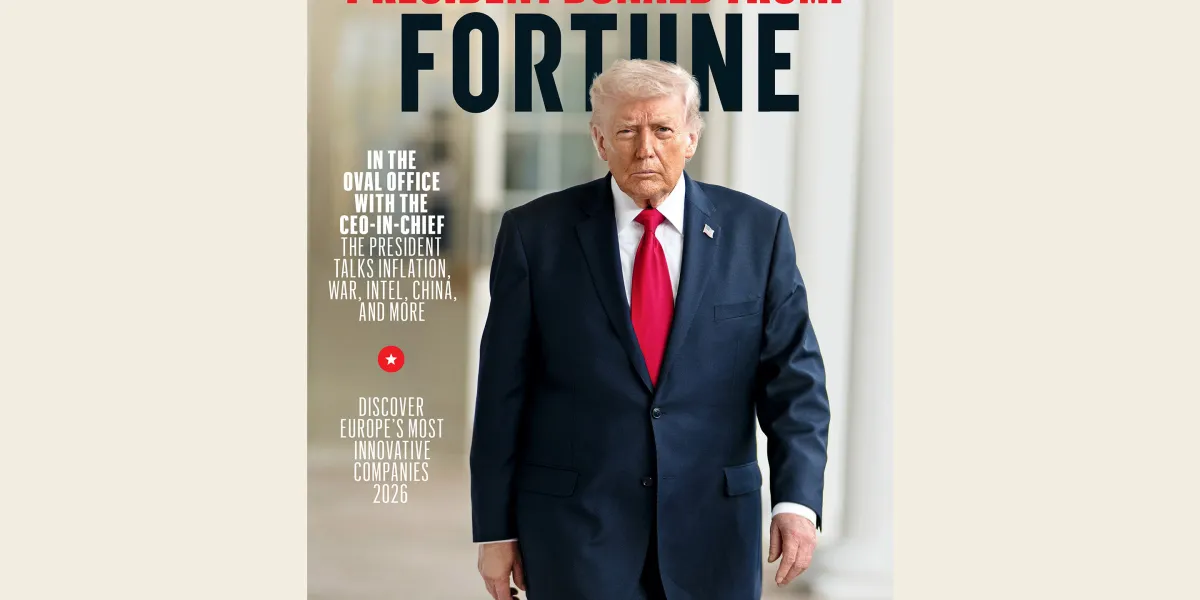
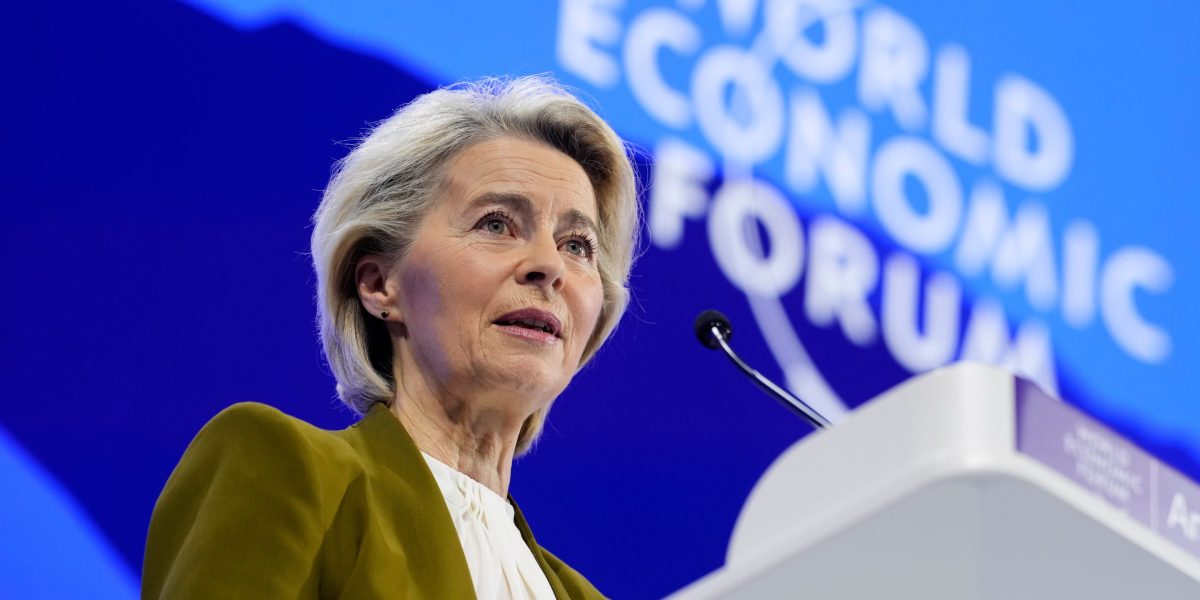
ne year ago, on January 20, 2025, the United States revived a more forceful version of the "America First" doctrine, outlined by President Donald Trump in his second inaugural address at the White House. The following day, European Commission President Ursula von der Leyen responded from the World Economic Forum in Davos: Europe has other options and will cooperate "with any country we share interests with."
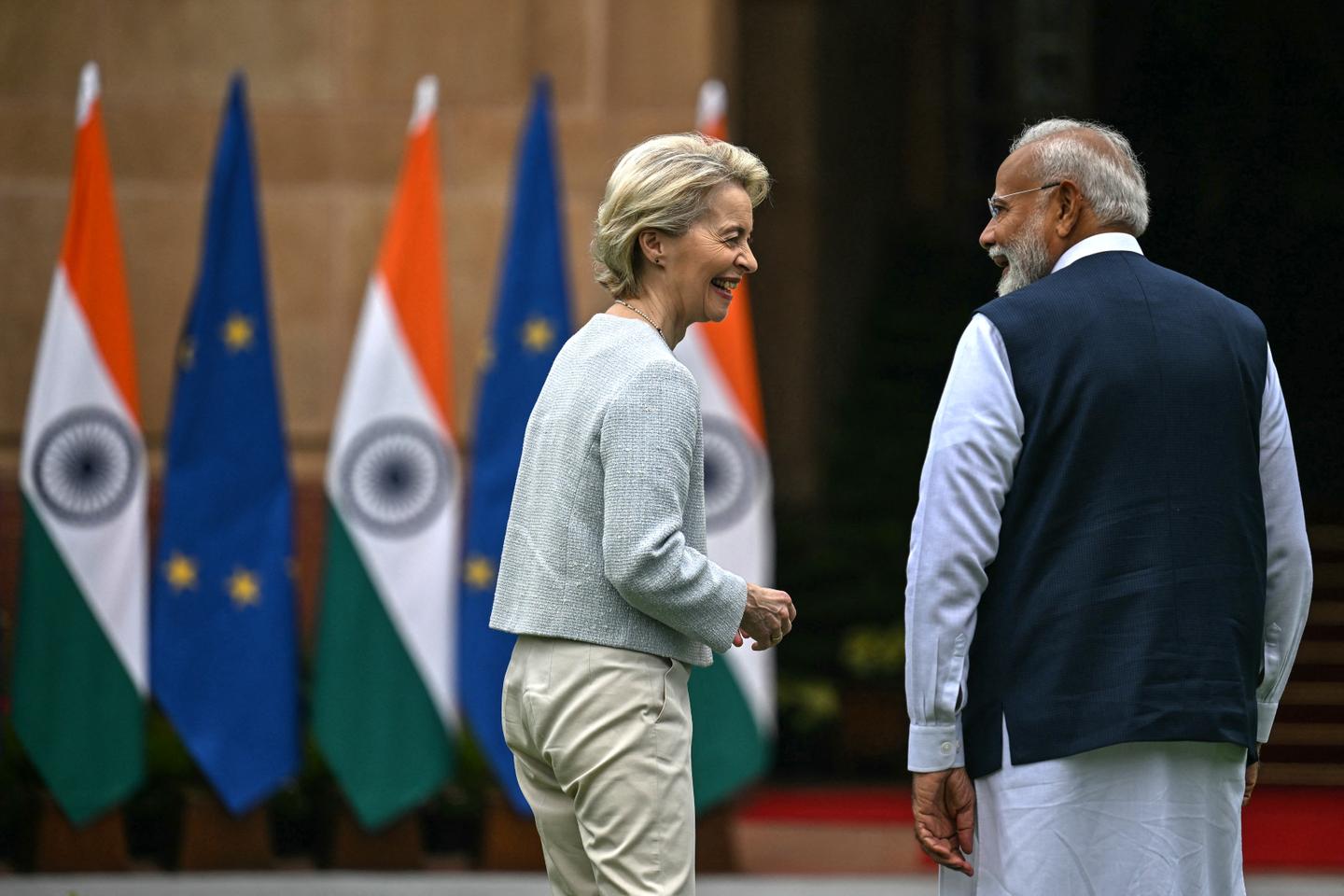
A month later, she led the entire college of European commissioners to India for the first foreign trip of her second term. Although it was a significant gesture, it yielded limited results: Negotiations for a free trade agreement with India continued to stall throughout the year.
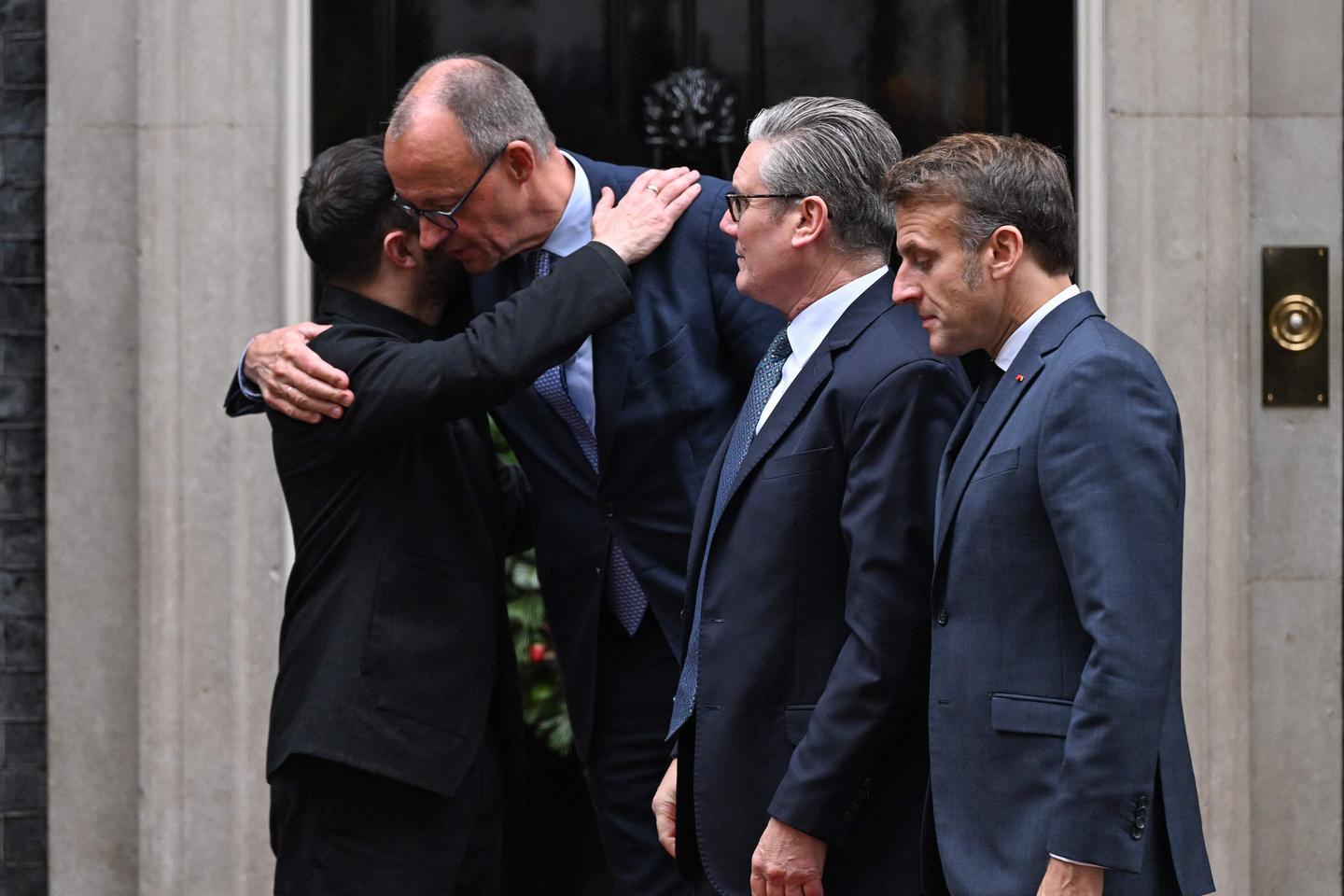
Since then, Trump has made good on his threats, beyond even the worst fears of Europeans and Indians. As 2026 begins, India and Europe are discovering more and more geostrategic affinities. This offers a real-life example of realignment amid the new global chaos. Von der Leyen is returning to New Delhi on January 27, this time accompanied by European Council President Antonio Costa, with solid hopes of signing a free trade agreement. German Chancellor Friedrich Merz has just spent two days in India, striking a new tone. "Rough winds are blowing and we must join forces to weather them," he said. French President Emmanuel Macron will follow in February.