F
or Europe, Donald Trump's second term in office is no time to celebrate. The US president has begun forcefully implementing the imperial and ideological offensive outlined in the country's national security strategy. In that document, Europe was no longer described as an ally, but as a weakened land, one as dependent as it was decadent. To defend itself against the now-serious threat of US annexation of Greenland, Europe will have no choice but to relearn the language of power. But it must also embrace the power of language. For the crisis our continent faces today is not only a strategic or military one – it is, perhaps above all, a narrative crisis.
Since attaining independence, and even more so since the end of World War II, the United States has constructed a unique narrative for itself – one that is profoundly easy to export. Whereas other powers have defined themselves by their territorial continuity or the permanent presence of their state, America has cast itself as a promise: a story founded less on being deeply rooted to a place than on embracing an ideal, from Hollywood dream factories to the subtle soft power of former president Barack Obama.
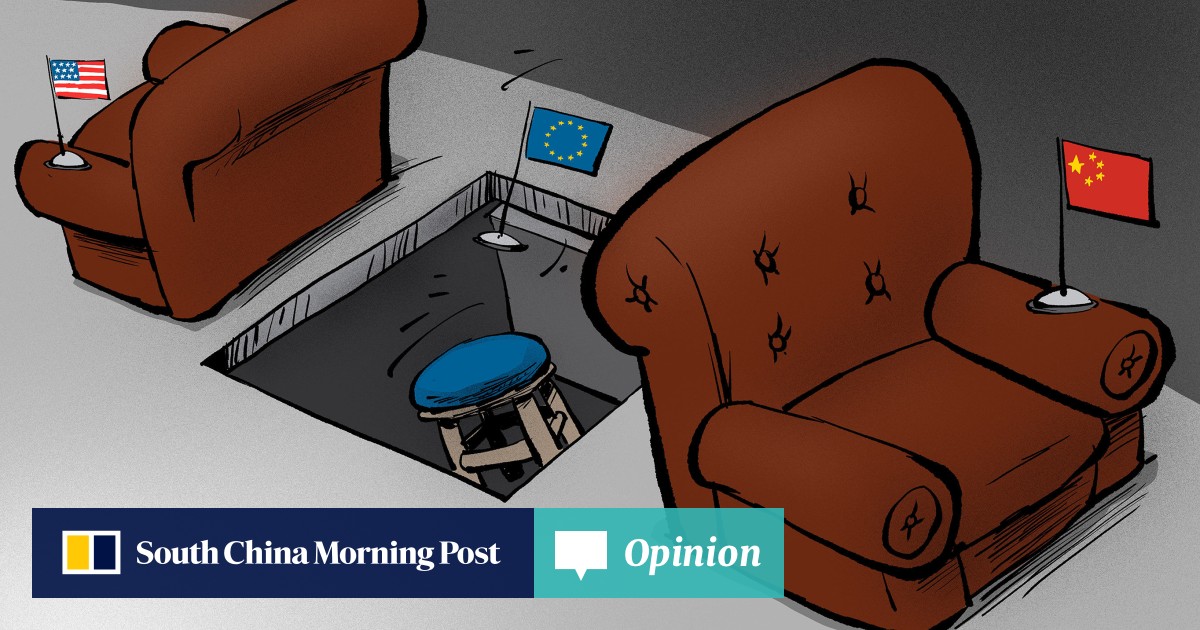
Russia has rebuilt itself around the idea of a besieged homeland, historical continuity and sacrifice. China has framed its rise through a view of the state that is deeply influenced by its Confucian heritage. Each contemporary great power thus rests on a coherent civilizational narrative, without which it would not be able to continue to project its power in a multipolar world.