T
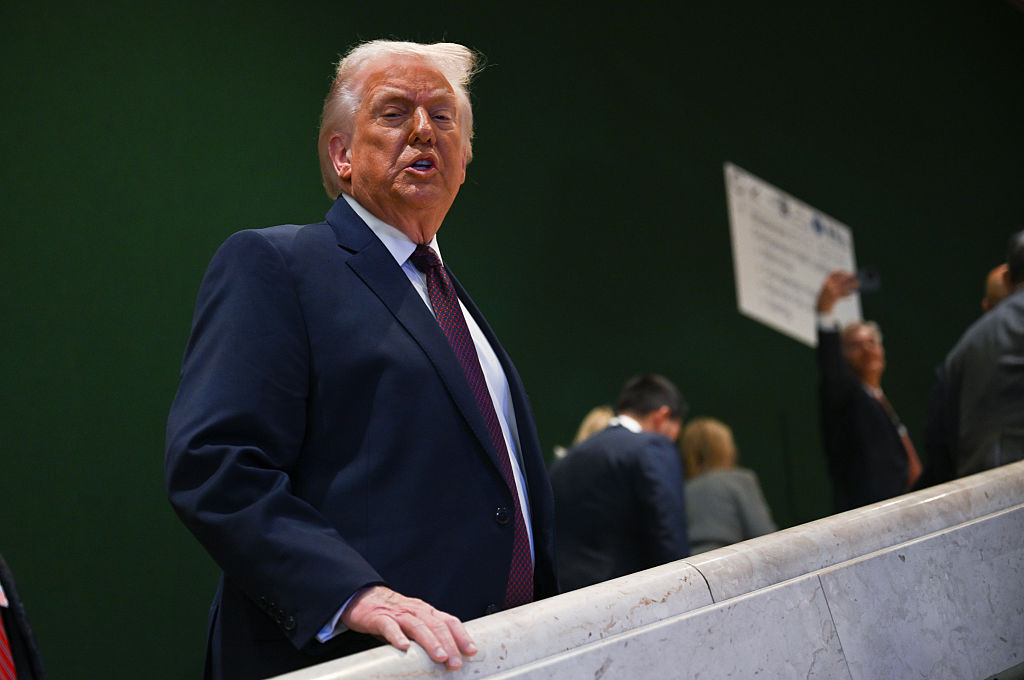
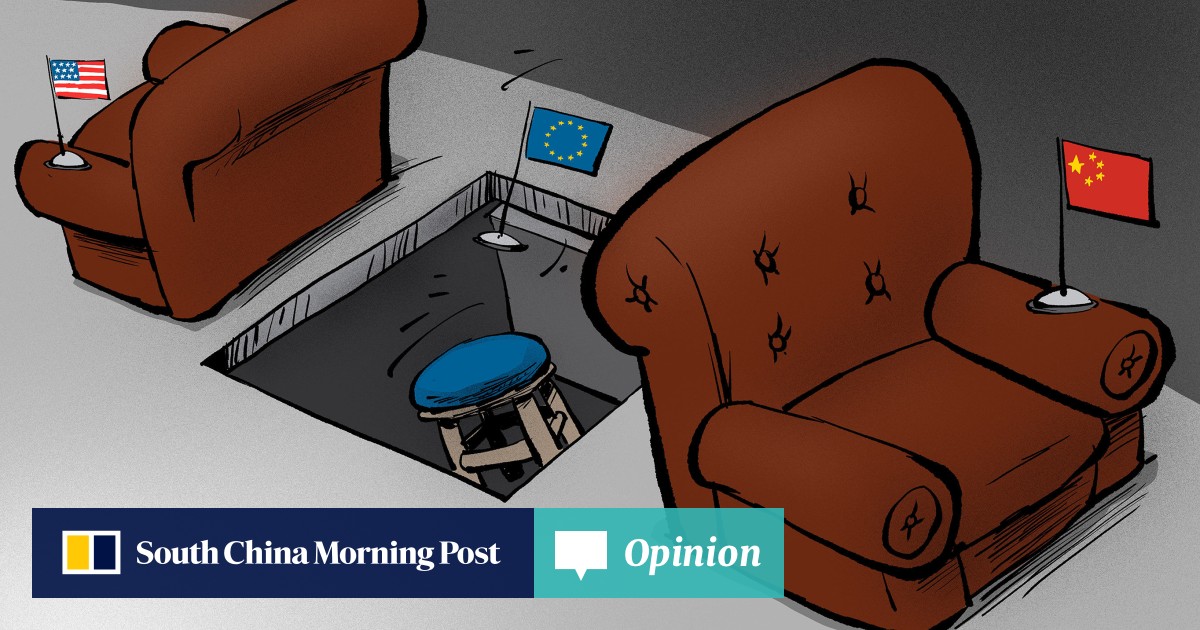
he lengthy monologue delivered by Donald Trump at the World Economic Forum in Davos, Switzerland, on January 21 only confirmed what was already clear: The US president's contempt and aggression toward the European Union are being expressed with increasing brazenness, fundamentally undermining the transatlantic relationship. In the face of threats, blackmail, insults and attempts at territorial predation, the strategy pursued by the EU's 27 member states to influence the former real estate developer has shown its limits. After decades of the comfort of dependence on American power, Europe is undergoing a rough awakening.
The relations built since World War II are deep, multifaceted and politically binding. From defense to technology, and from finance to energy, Europe is realizing that its alliance with the United States is not a given and, above all, that it comes at a cost.
A clear-eyed understanding of the extent of this dependence is essential before even contemplating emancipation. That process promises to be lengthy, laborious, highly destabilizing, yet crucial in terms of sovereignty. It is not realistic to simply walk away from the American security guarantee overnight or ignore the economic interdependence that binds both sides of the Atlantic. The urgent need is to redefine Europe's approach to a relationship that has become asymmetrical, unstable and toxic.