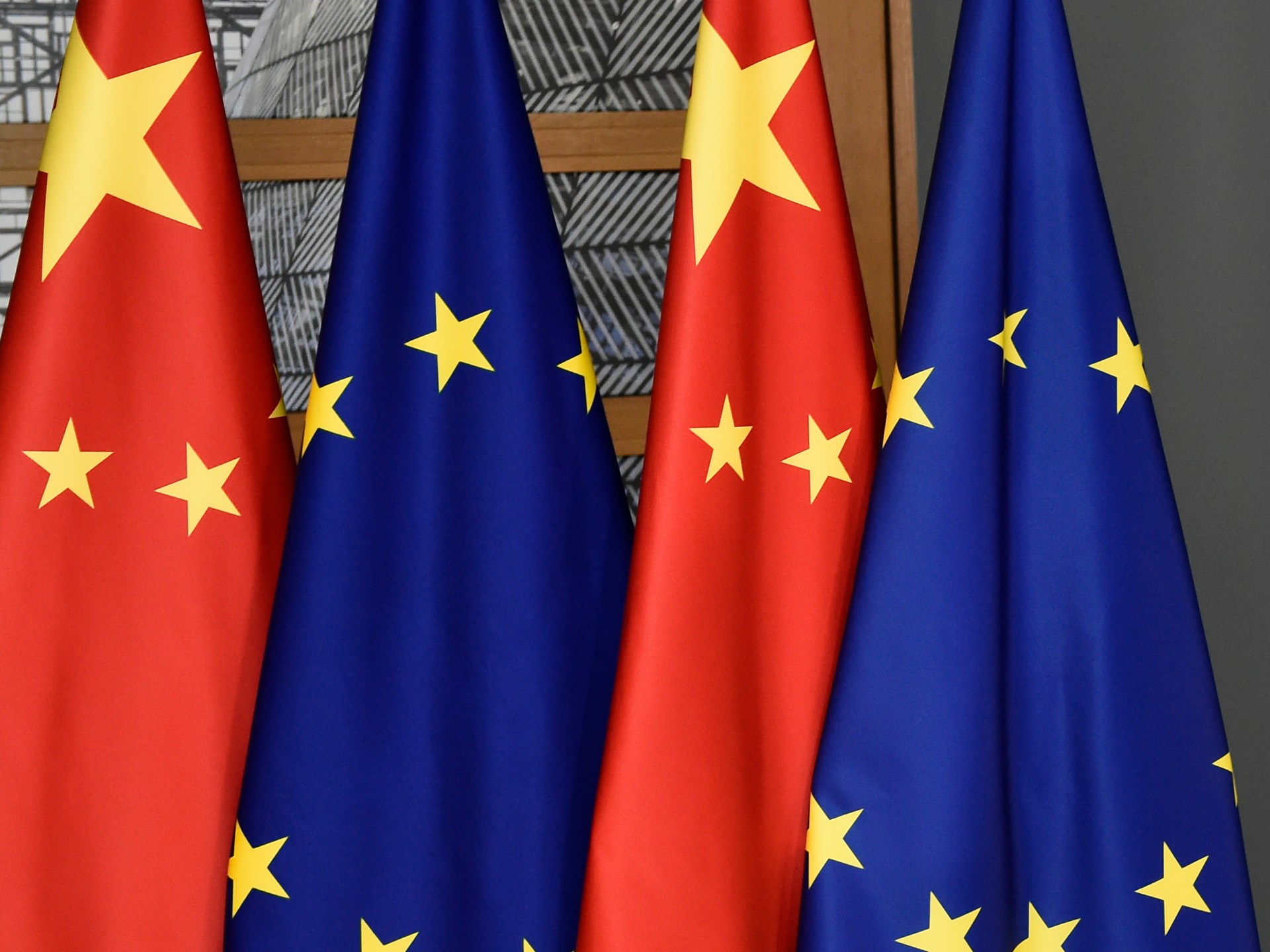
The EU’s strategic interests may no longer be best served by its alliance with the US – especially under Trump’s increasingly dangerous agenda.
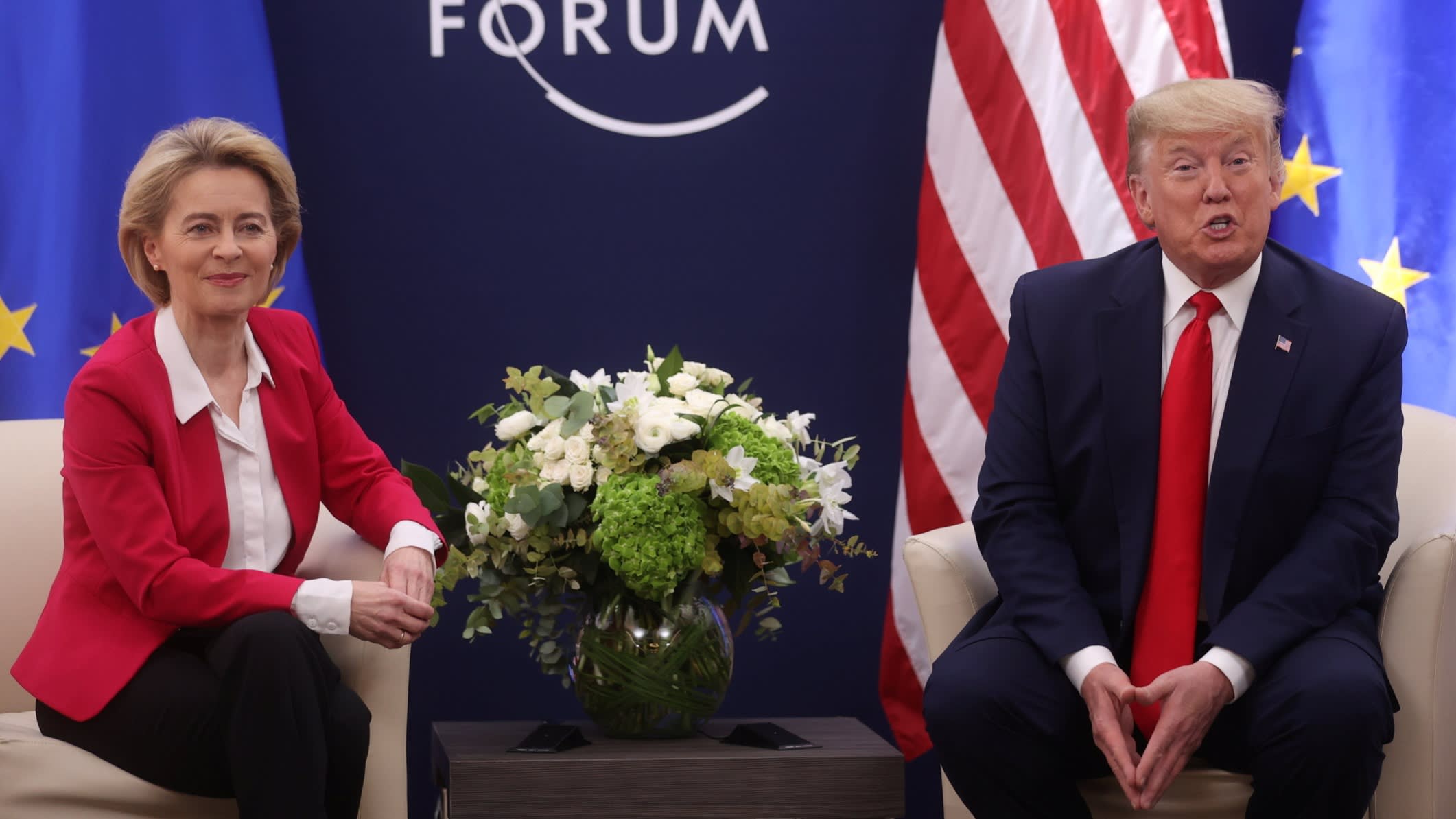
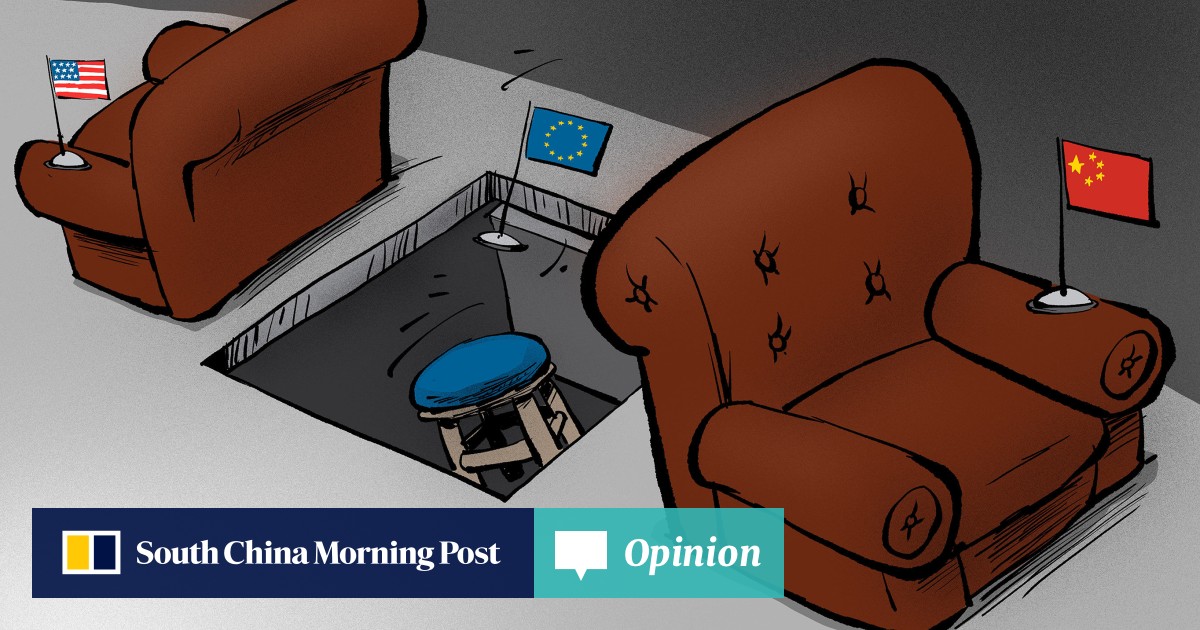
As Donald Trump barrels through his second term in the White House, Europe faces a question it has long avoided: Should it continue clinging to its alliance with the United States, or is it time to chart a new course – perhaps one that leads eastwards?
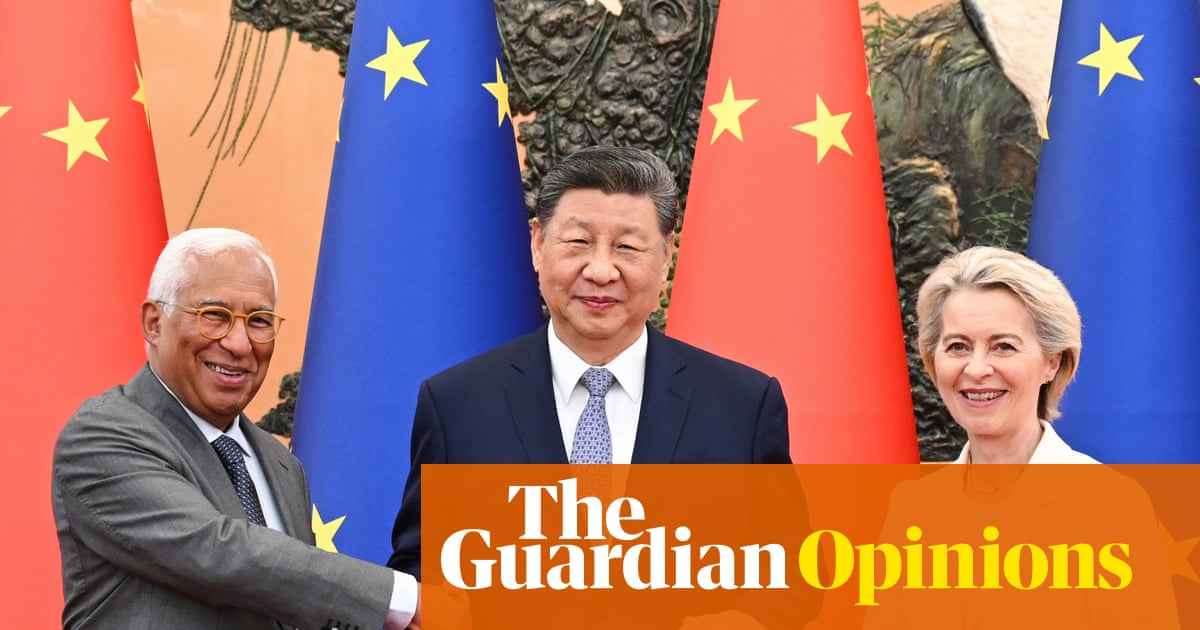
In April, Chinese President Xi Jinping urged Spanish Prime Minister Pedro Sanchez to encourage the European Union to “resist together” against Washington’s “unilateral coercion”. This coercion is not limited to trade; it extends to politics, culture and global strategy. For Europe, the question is not simply whether the US remains a powerful ally but whether it is still the right one.
A closer relationship with China now offers distinct advantages – an idea likely to be discussed at the EU-China summit in July. While European attitudes towards China remain cautious, as demonstrated by recent tariffs targeting low-cost imports from platforms like Temu and Shein, Europe’s strategic reflex still defaults to the US, especially in finance and defence. That reflex, born of history, is increasingly out of step with Europe’s long-term interests.