For years, the EU followed the US’s lead when it came to China. That is no longer an option and Beijing has other priorities
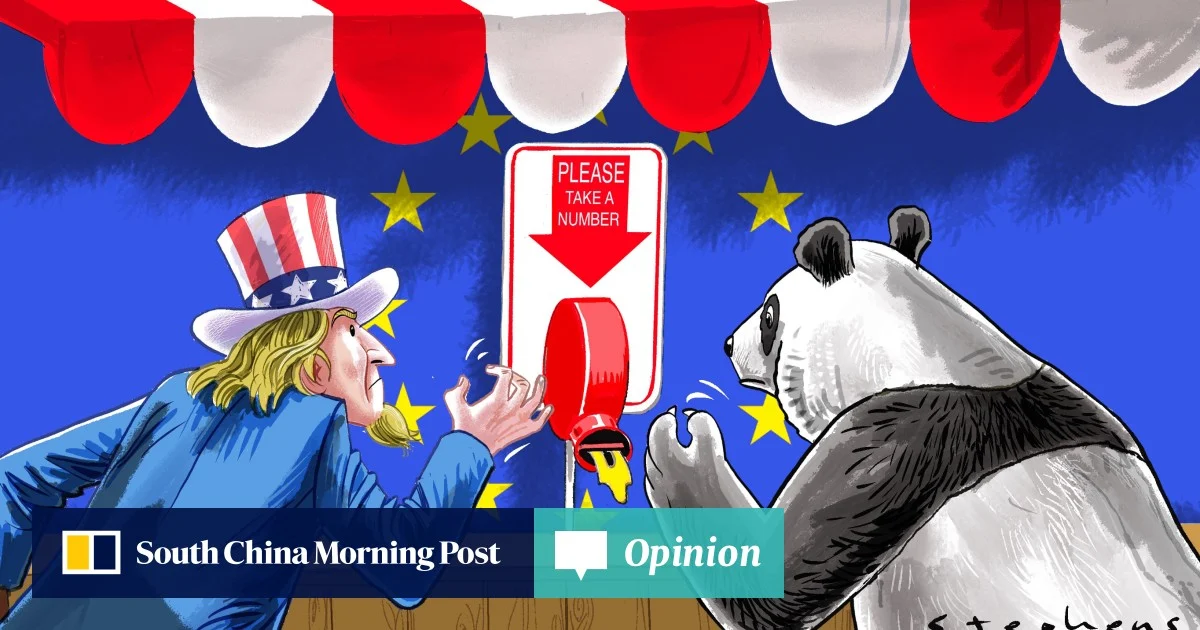
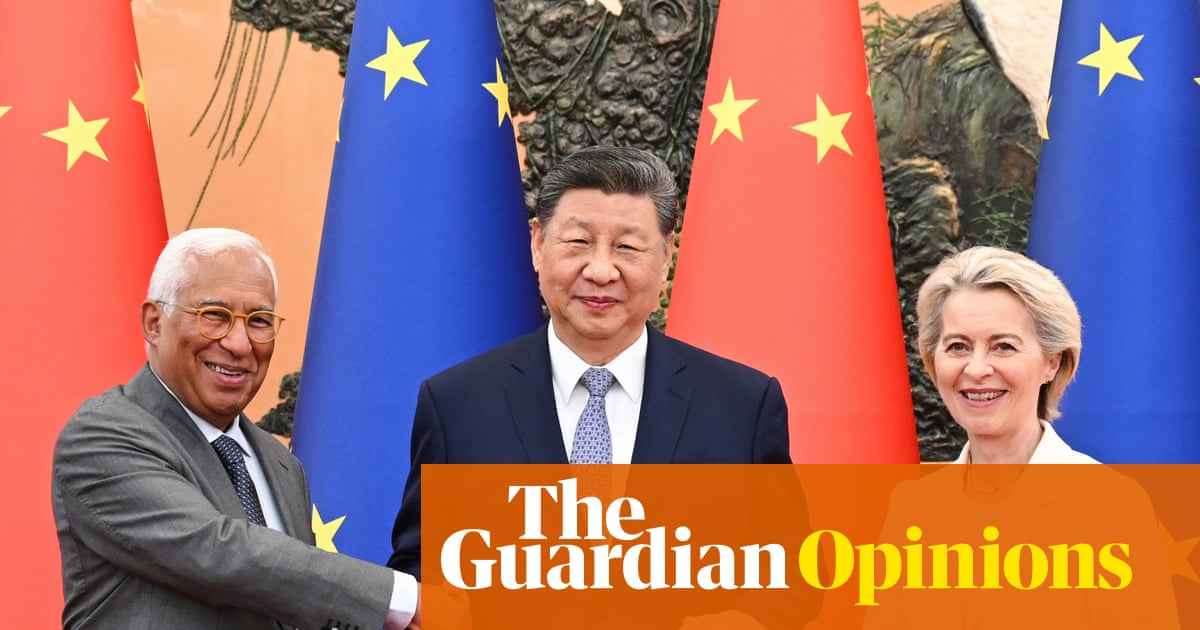
Europe’s relationship with the US is unmoored, but it has also lost its bearings with regard to China, caught by competing forces that pull and push in opposite directions.
Europe’s China policy used to be a function of Washington’s. When Barack Obama tried and then failed to pivot to Asia in 2011, sucked into turmoil in the Middle East instead, Europeans lulled themselves into the belief that their relationship with Asia could continue to be driven by trade, with security an afterthought.
Despite rising tensions in the South China Sea, the Korean peninsula and the Taiwan strait, European governments viewed Asia, including China, through a predominantly economic lens. China’s belt and road initiative was initially seen as a purely economic endeavour, lacking strategic edge. It was only as US-China relations soured, under the first Trump administration and then especially under Joe Biden, that Brussels switched gears.
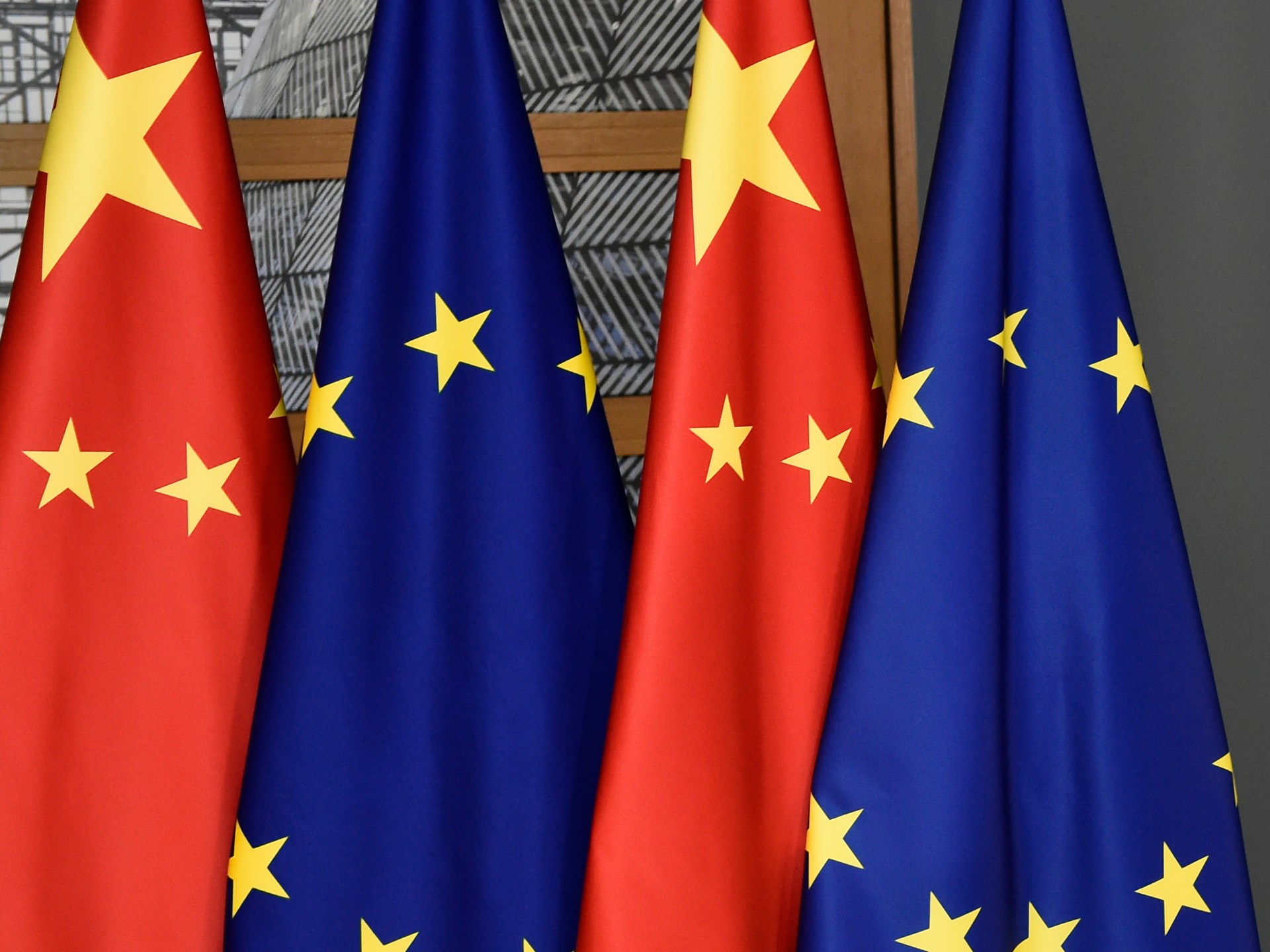
China was no longer seen only as a partner, but more warily, as a competitor and systemic rival. Investment screening, tariffs and export controls entered the European lexicon when talking about China. The link to the US was clear. While the EU rejected any decoupling from China, considering it undesirable and impossible, it began advocating “de-risking” instead. Once unpacked, this is no different from other trademark European concepts such as strategic autonomy and economic security. But the timing and the framing of Brussels’s more hawkish line made it clear that its north star on China was Washington.