https://arab.news/98rcv
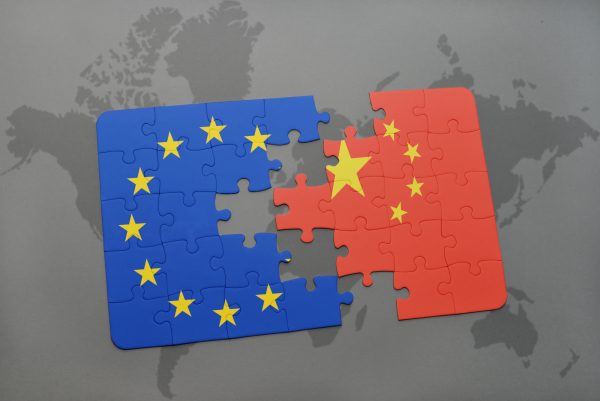
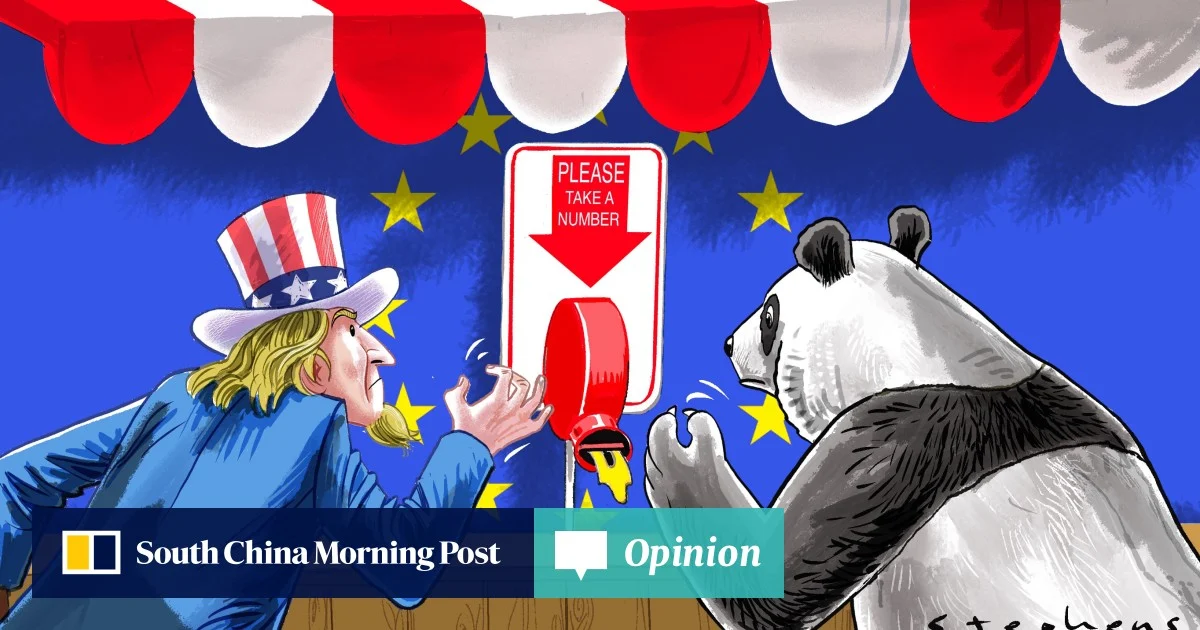
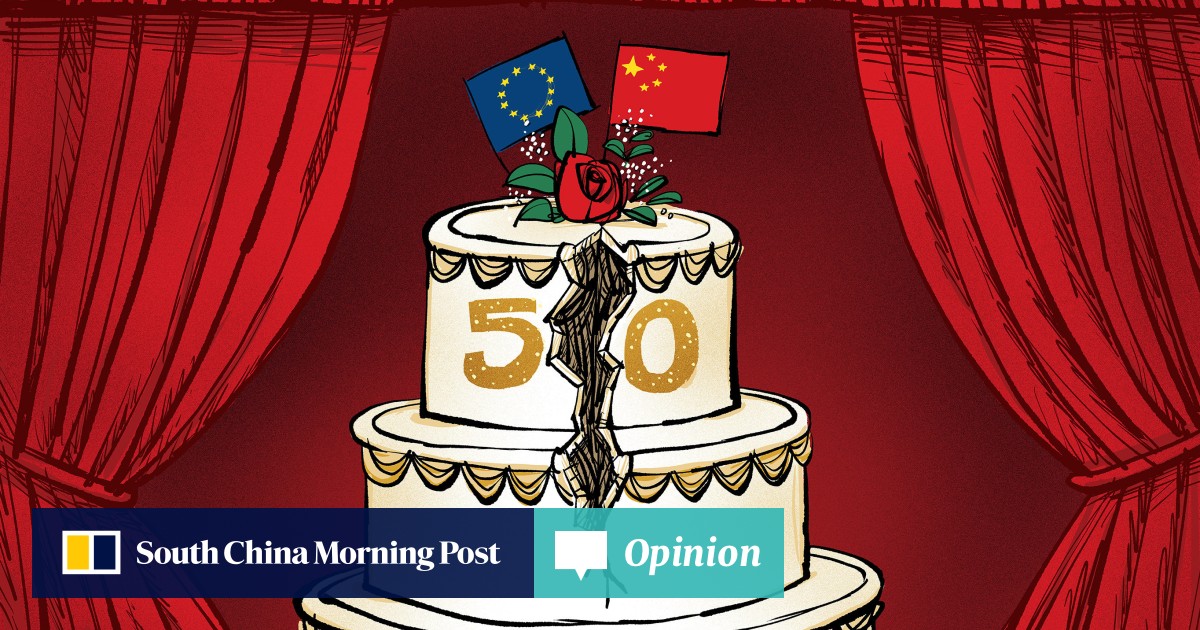
The worsening US-EU relations witnessed in 2025 have led many to believe that European-Chinese ties could flourish to redress certain geostrategic and economic imbalances. But a close look at history, as well as the recent political, social and economic postures of both sides, reveals that such a strategic shift is near-impossible due to the prominence achieved by Beijing and the systemic handicaps plaguing the EU that split its China relations into piecemeal chunks.
A report published by the Atlantic Council this week, which aims to explore how Europe is waking up to the China challenge, explains the shortfalls that make a China-EU rapprochement a long shot. The EU apparatus makes policymaking on China a tedious and complex process that, even if goodwill and trust were to prevail on both sides, could frustrate any efforts toward integration.
The report explains how EU policymaking involves a multilayered process in which institutions and member states pursue overlapping and sometimes conflicting interests. At the EU level, the European Commission, the European Parliament, the European Council and the European External Action Service play distinct roles in shaping policy. Meanwhile, member states work to develop their own national approaches that influence EU-level decision-making. The result, according to the Atlantic Council, is a complex and often opaque interplay of actors, issues and interests that rarely align and could interfere with each other when it comes to shaping the bloc’s approach to China.