T
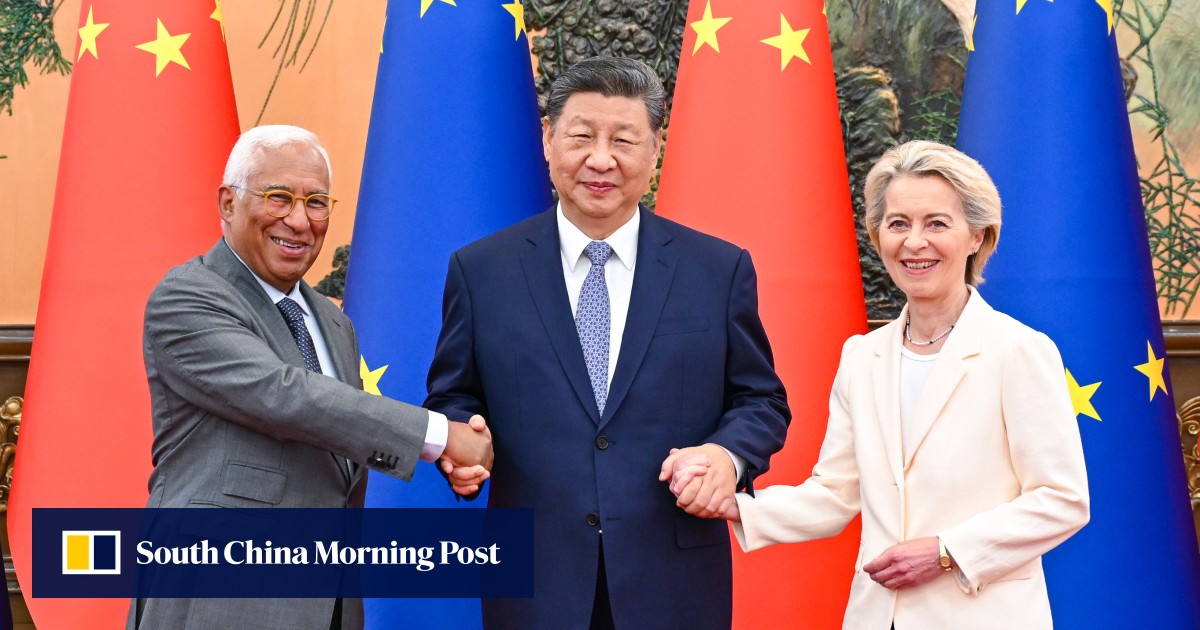
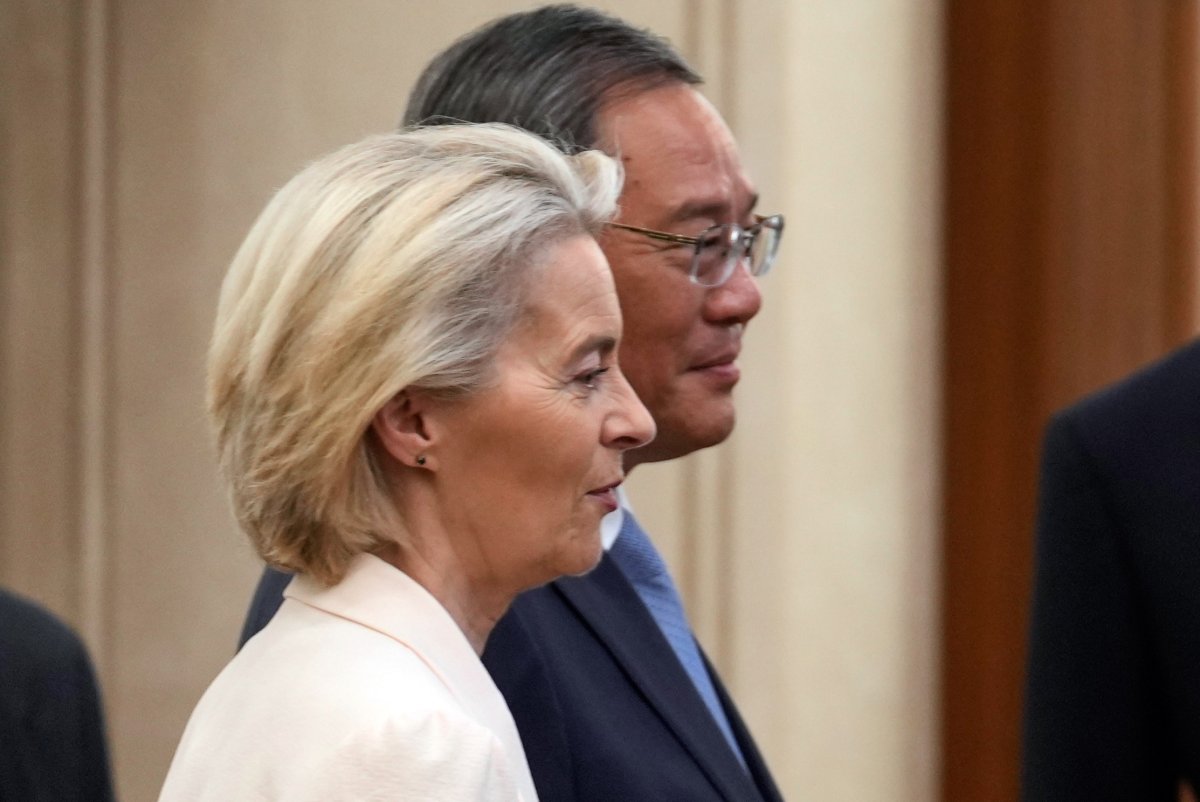
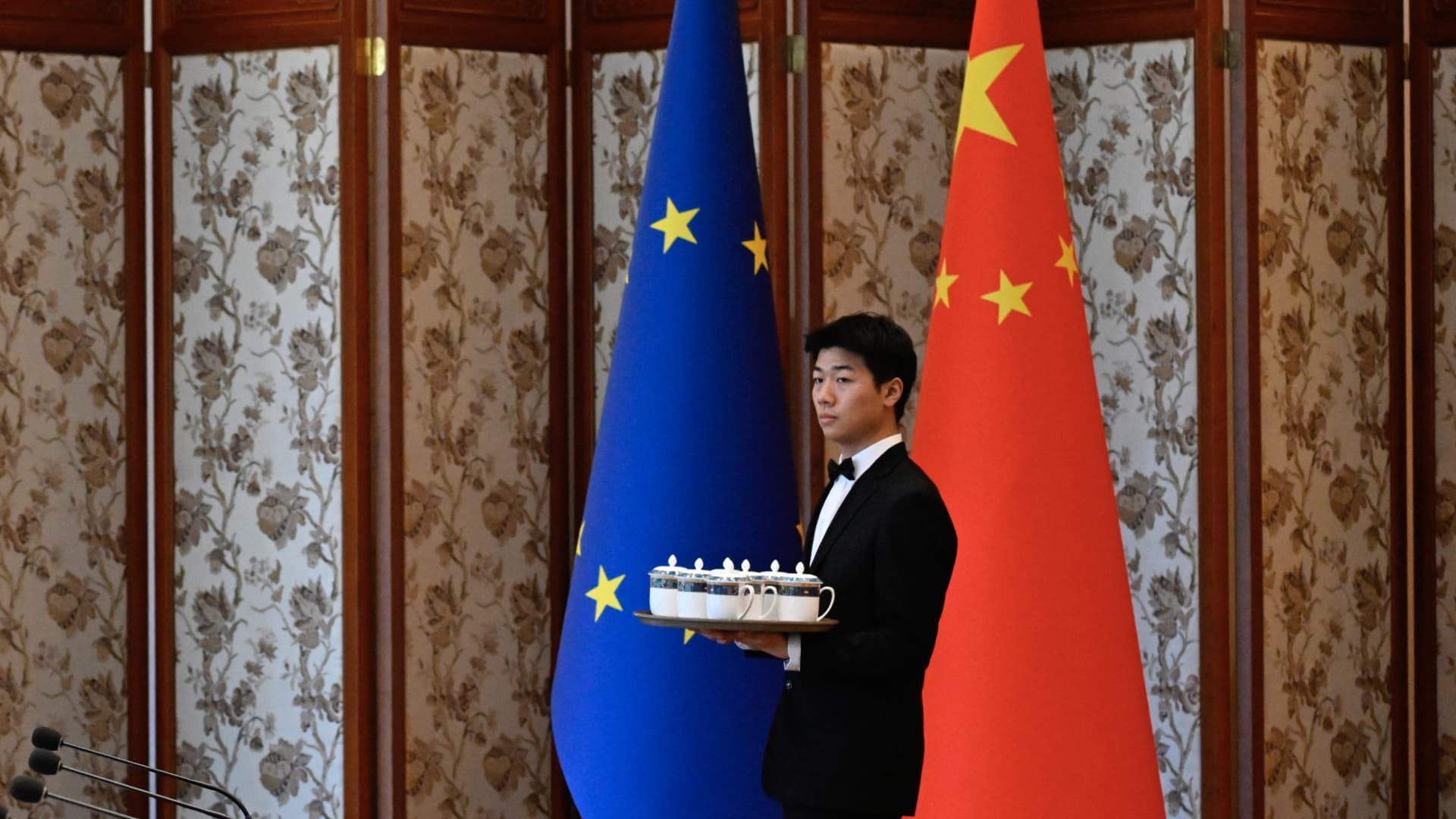
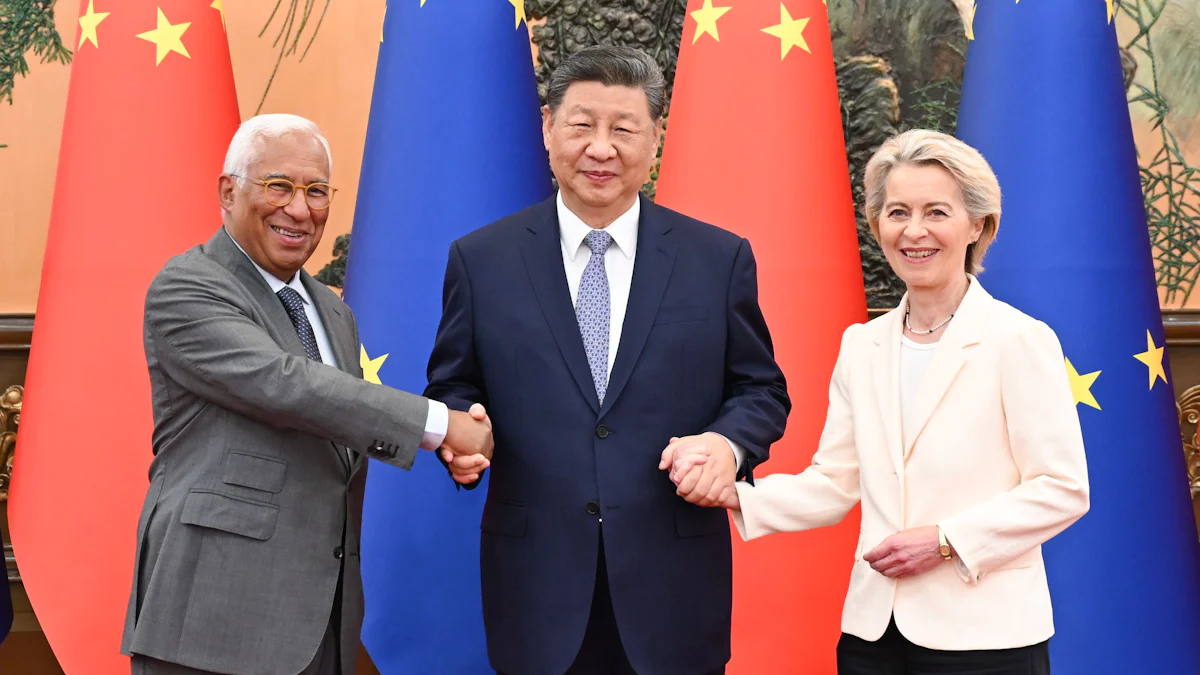
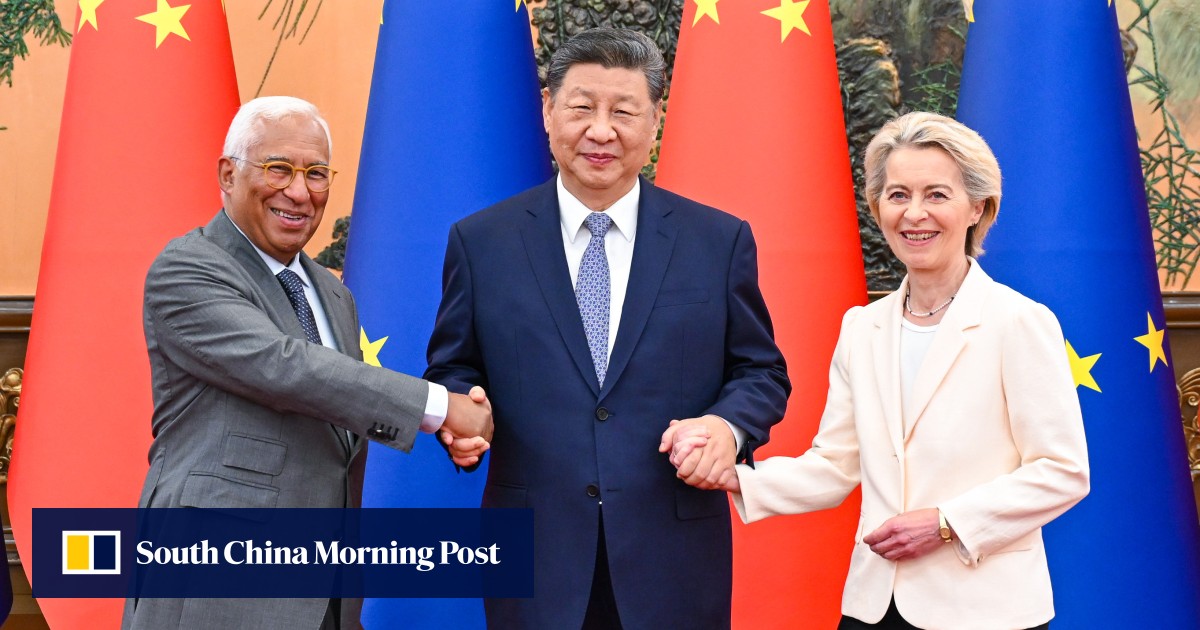
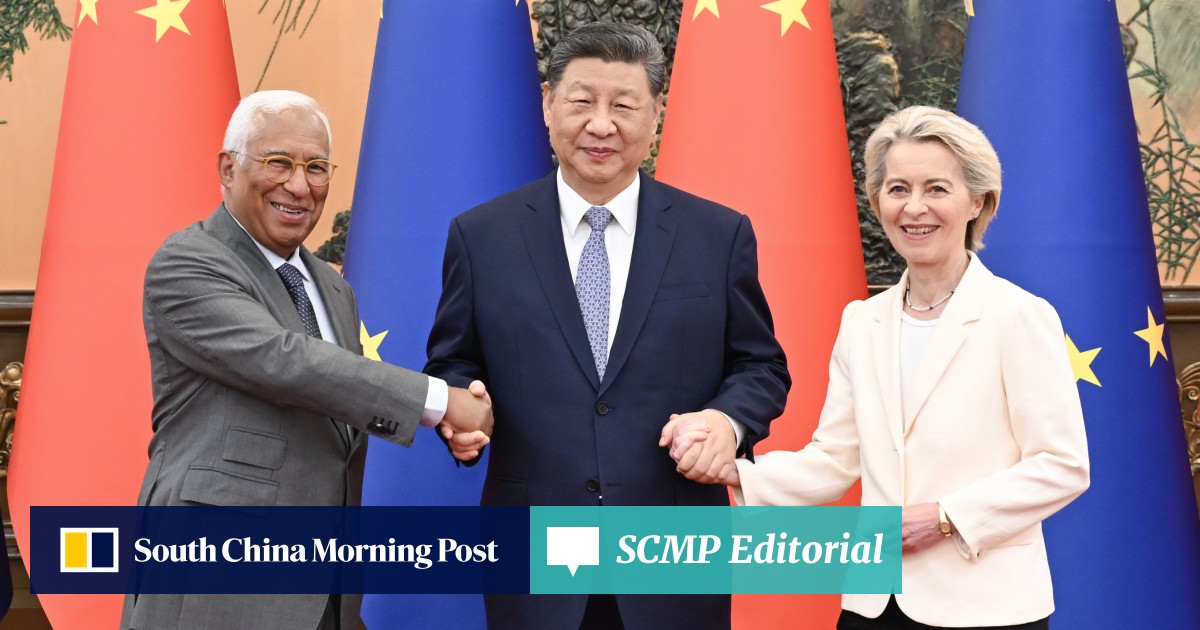
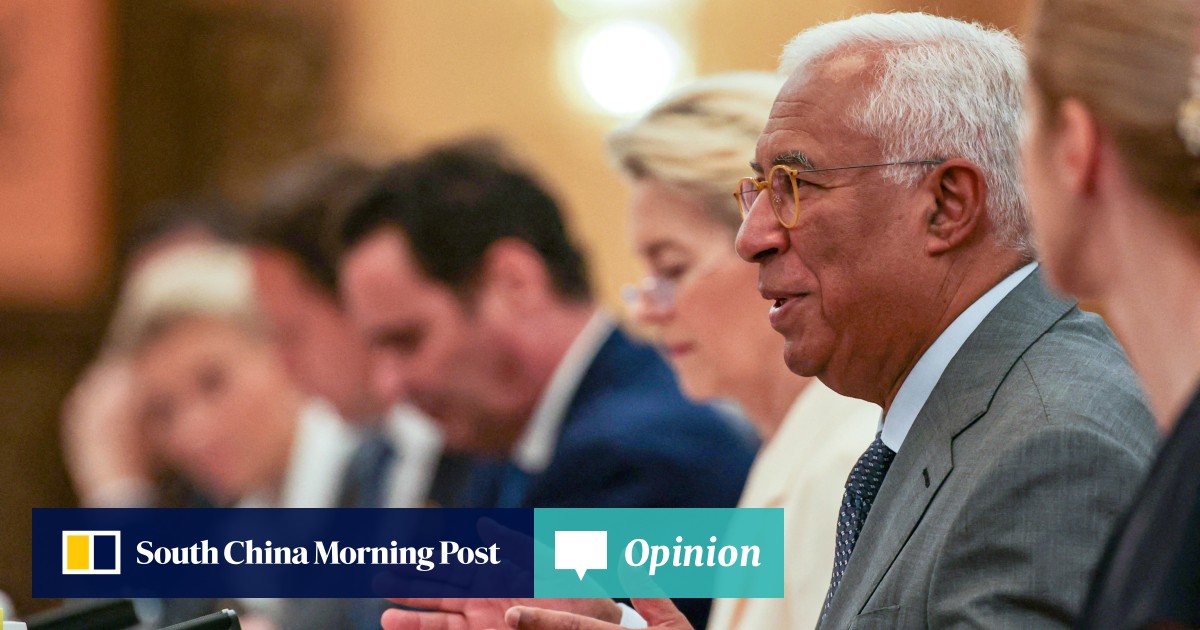
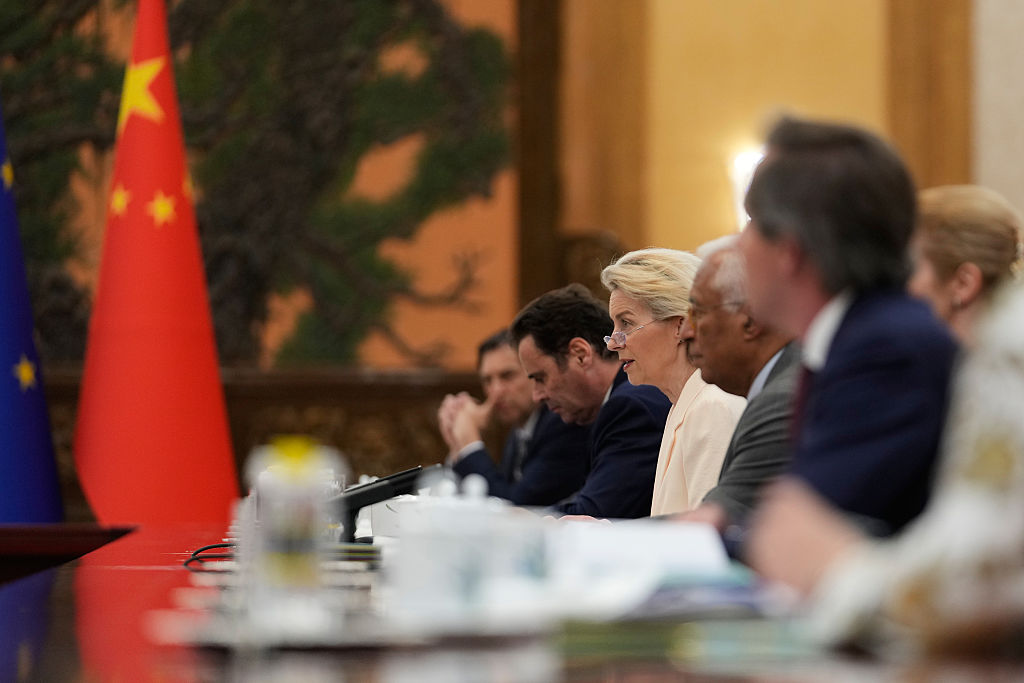
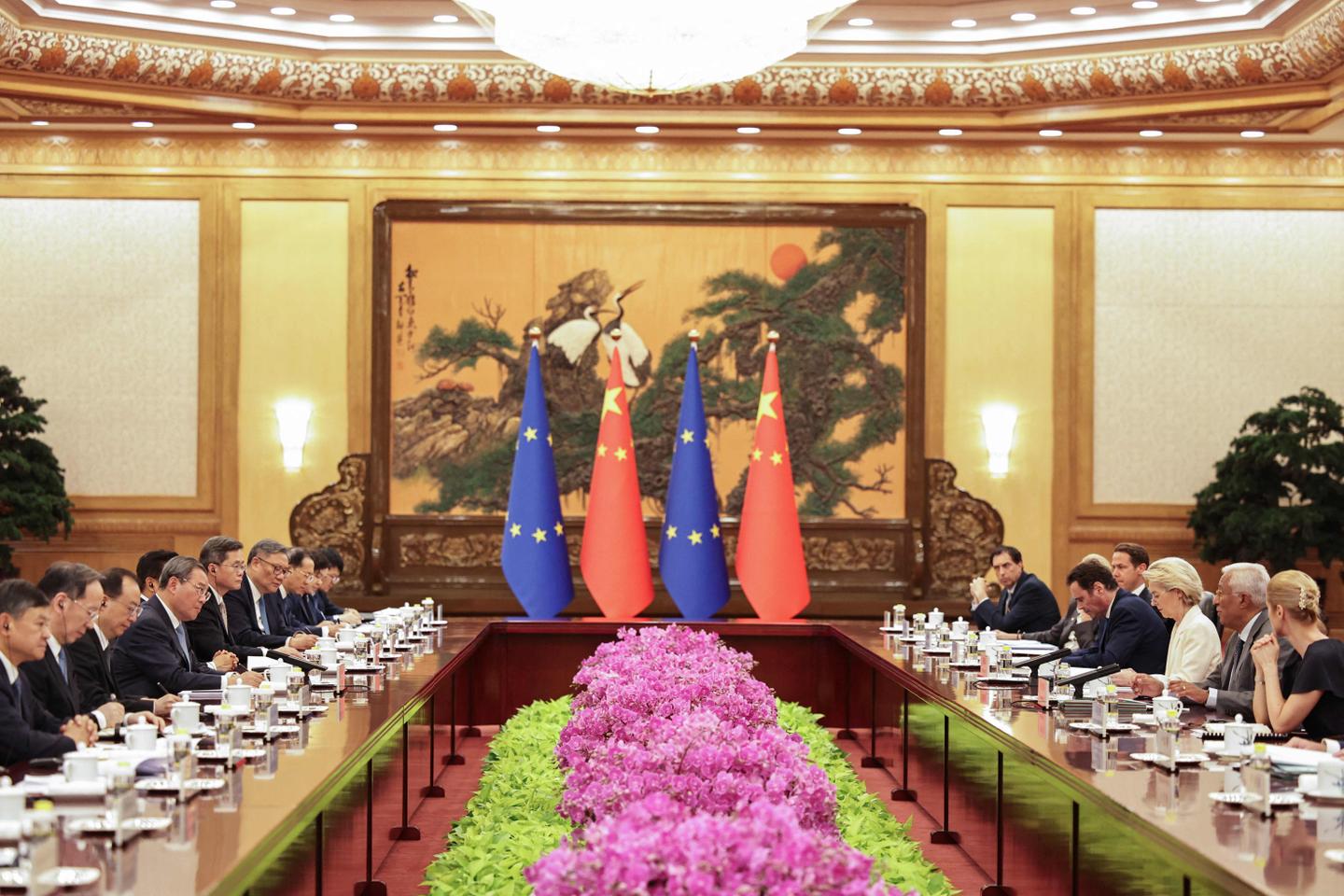
he 25th summit between China and the European Union (EU), held on Thursday, July 24, in Beijing, quickly turned into a dialogue of the deaf. Even on climate change, a topic on which China and Europe are supposed to stand out while the US has abandoned any ambition on the issue, it took considerable effort to reach a joint statement. On all other subjects, the divisions became glaringly apparent after just one day, rather than the two initially planned.
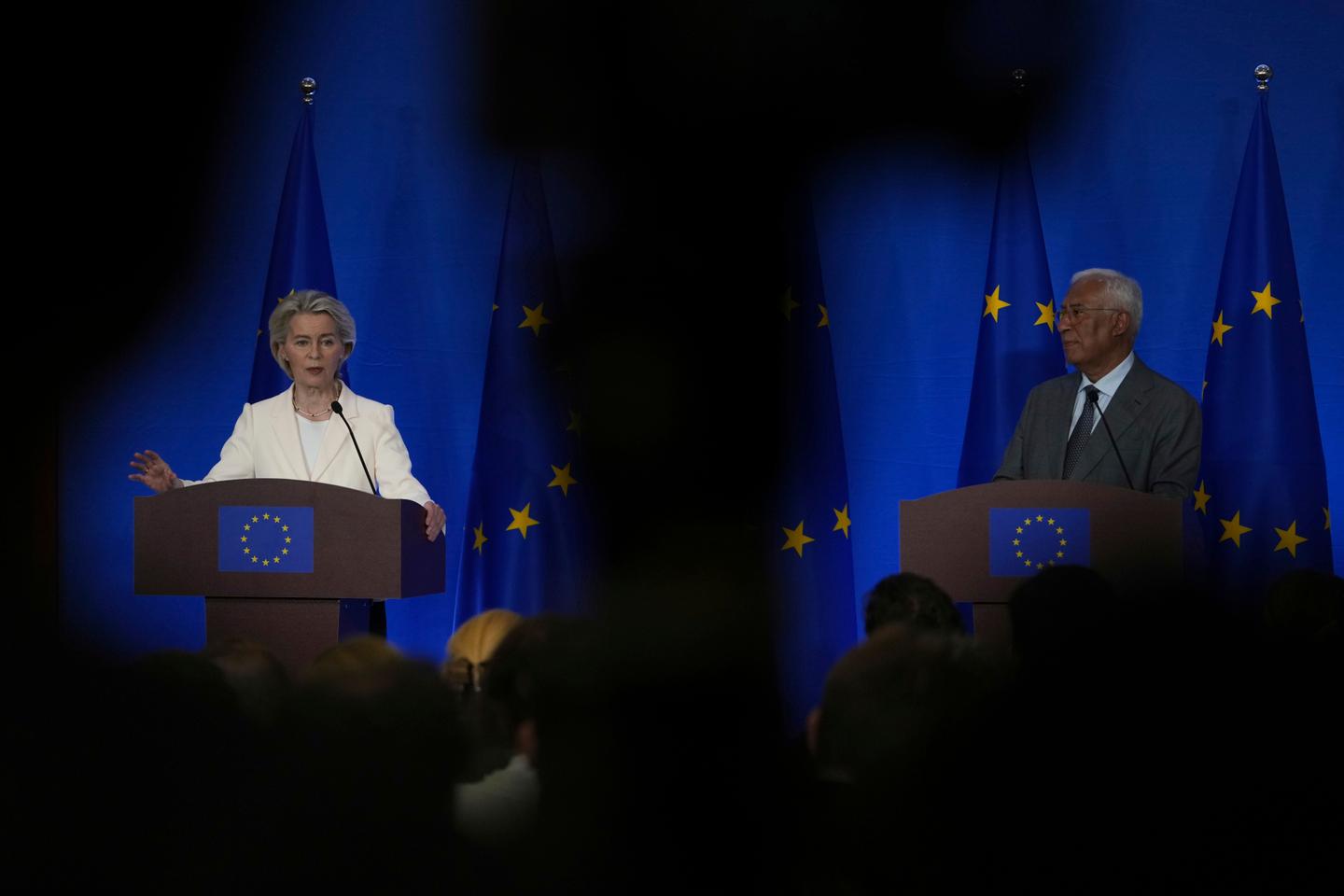
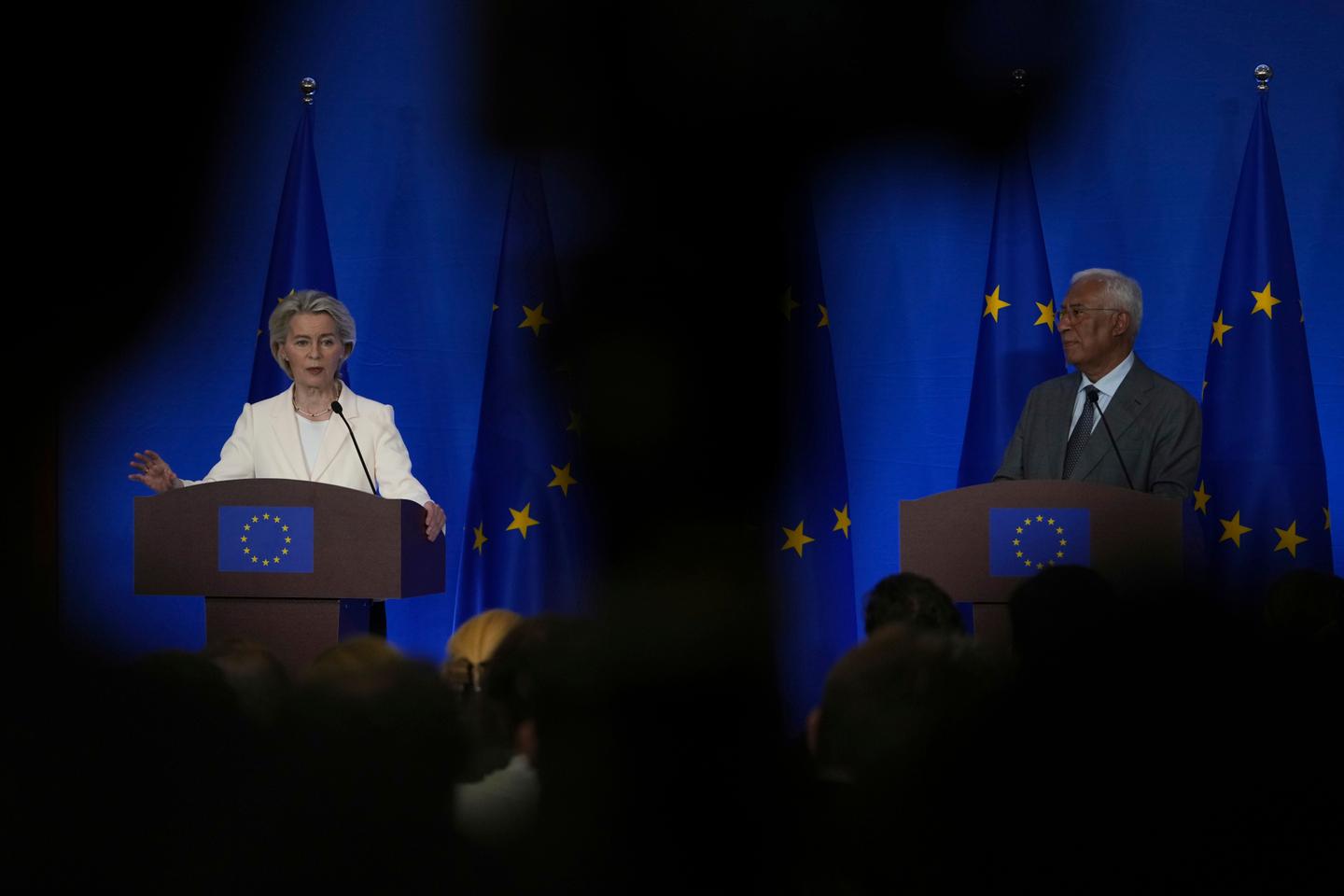
European Commission President Ursula von der Leyen and European Council President Antonio Costa had to resign themselves to traveling to the Chinese capital, as the head of the Chinese party-state, Xi Jinping, had made it known that he would not set foot in Europe. By contrast, he makes time each year to visit Moscow and celebrate his "no limits" friendship with Vladimir Putin. He was there again in May and will host the Russian president at the end of August for four days to once again formalize what Xi calls "great changes not seen in a century," a recalibration of the world order to the detriment of the West.
The US began to focus on the threat posed by China's rise much earlier than the Europeans, as Beijing's project is a more explicit challenge to American hegemony. Europe, led by German car manufacturers, saw only the promise of the Chinese market, while security concerns seemed remote and abstract. Only when Europeans were directly affected did they wake up to this risk.