I
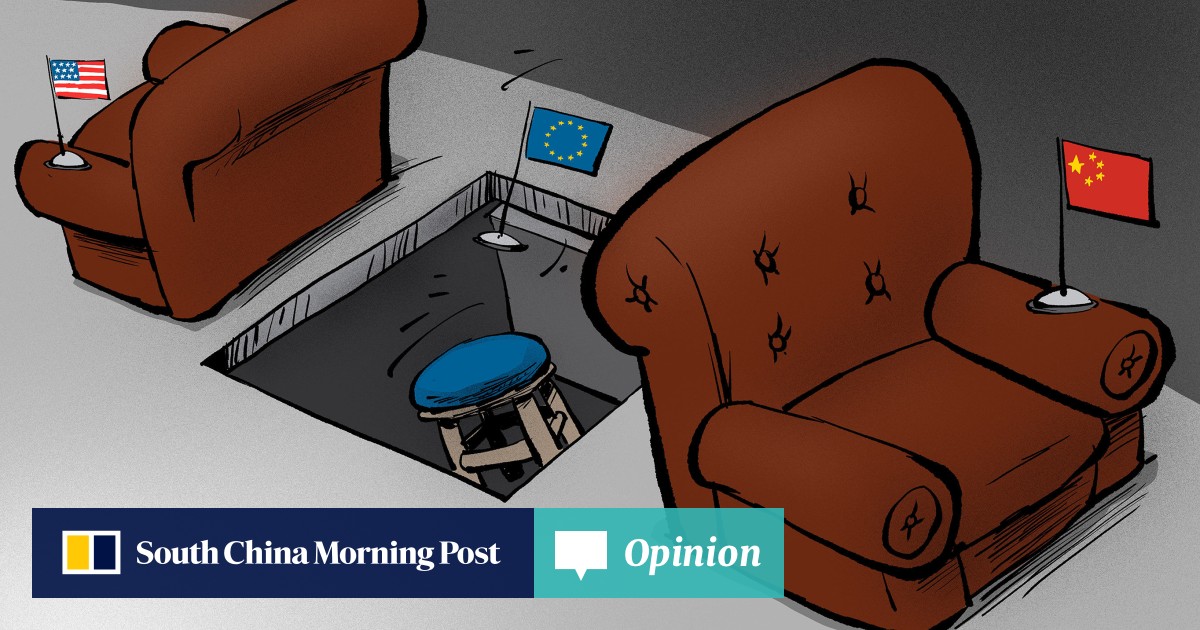
t has become a familiar pattern. Washington issues a strategic document. Russia welcomes it. China is quietly satisfied. And Europeans, treated with obsessive disdain that borders on outright hostility, protest, but only in silence. Although the Europeans' indecisiveness often works against them, they do have legitimate grievances. The "National Security Strategy," published on Friday, December 5, by the Trump administration, extols sovereignty while advocating heavy-handed interference in the affairs of Europe. It dictates what Europeans should accept or reject, and even whom they should elect.
Subscribers only
US national security strategy targets Europe and spares adversaries
The hardening of the transatlantic relationship has attracted attention since the unexpected publication of the strategy because the document formalizes the harsh rhetoric of Vice President JD Vance at the Munich Security Conference in February. Yet this is not at the top of Donald Trump's agenda. What comes first, in fact, is an unabashed neo-imperialism toward Latin America and a largely business-driven vision of the US role in Asia – one that can unsettle its allies in the region.