It’s a perplexing time in the world of luxury ingredients. Prestigious products have become inextricably tied to fast food. Caviar now adorns chicken nuggets; truffle features in supermarket hummus and Starbucks egg bites; wagyu beef is getting smashed into burgers and has made the menu at Burger King in the UK. Even lobster—bright red and festive—has gone from attention-getting centerpiece to mac-and-cheese mix-in.
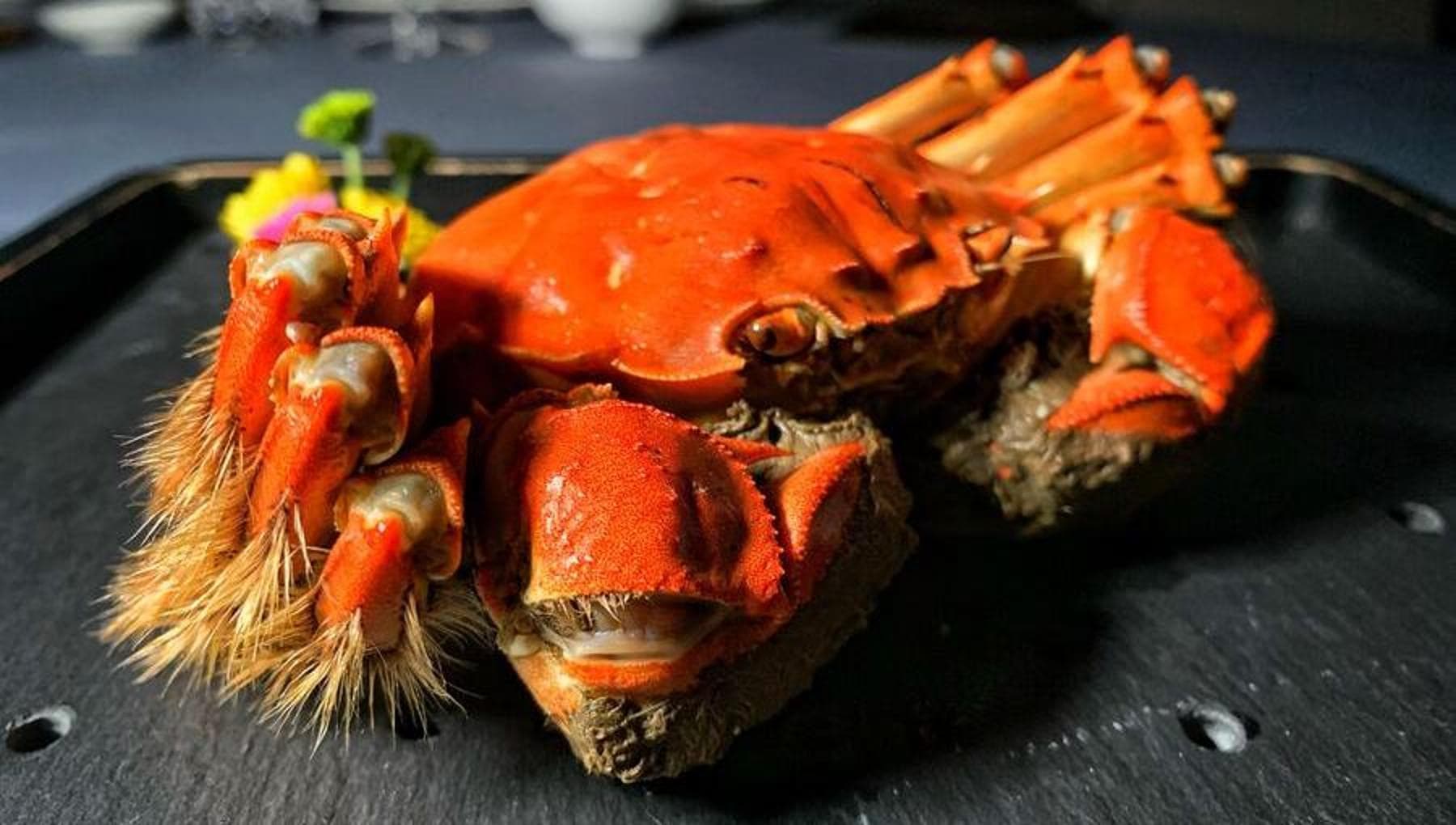
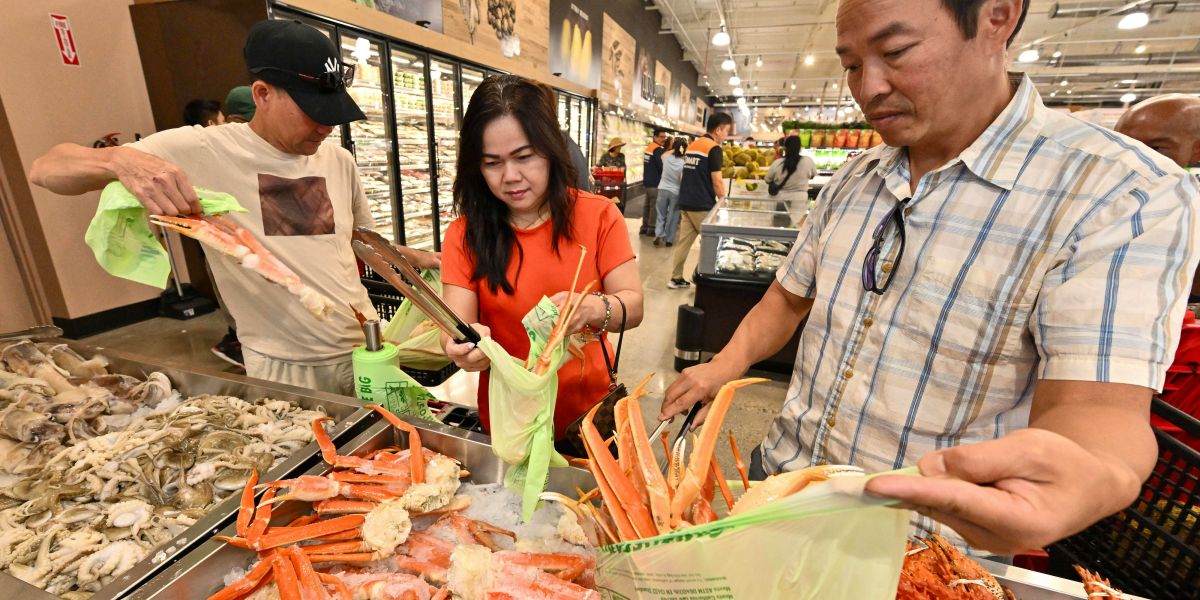
Yet crab retains its mystique. It’s beloved for its delicately flavored, finely textured meat—and for its fatty, rich roe and tomalley, culinary categories unto themselves. Now large, live specimens from the far corners of the world, like snow crab from Japan and red king crab from Norway, are this season’s luxury signifiers.
“Even the cheapest crab that we sell is typically double the price of what Maine or Nova Scotia lobster costs,” says Ian Purkayastha, founder of Regalis Foods. “King crab pricing is definitely at an all-time high.” Because their stocks and availability have been harshly affected by political and ecological upheavals, the crustaceans now wholesale for $70 to $85 a pound, he said. Retail consumers could spend upward of $1,200 to have a single, live 10-pound Norwegian red king crab delivered to their homes from Regalis. That, believe it or not, is the good news, he adds: “It’s just going to continue to go up and up and up in price. It’s not like you can farm a king crab.” He won’t be surprised if wholesale king crab prices top $100 a pound within five years.