B
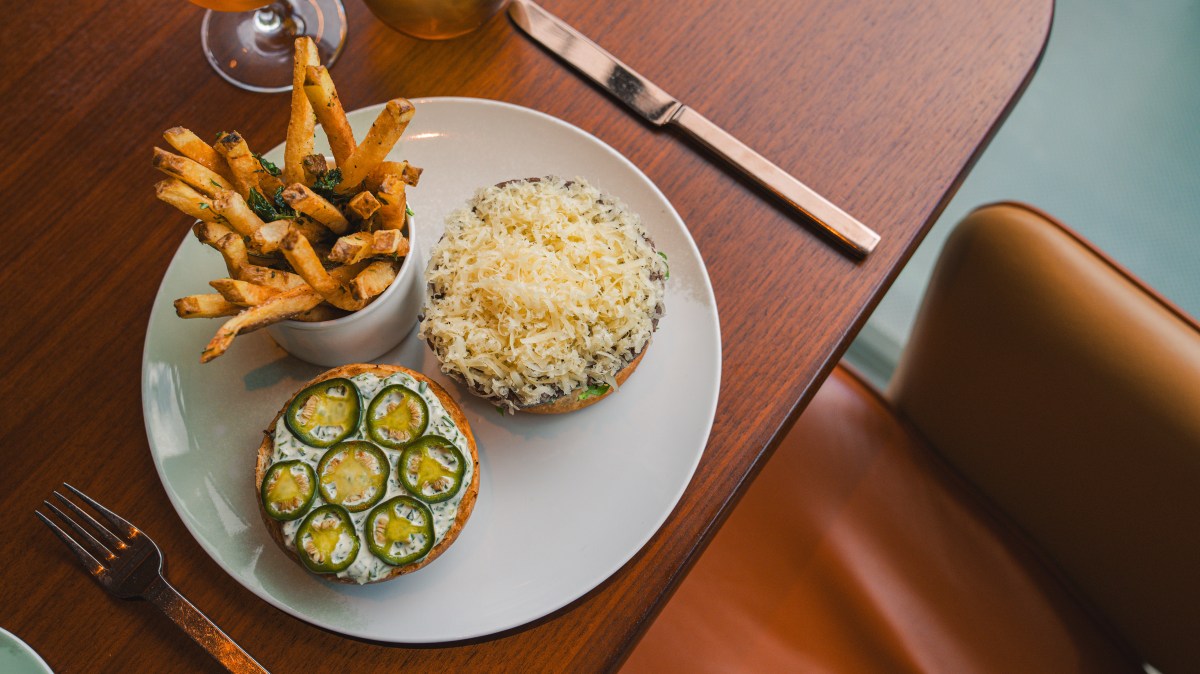
urgers come in all shapes and sizes, and the metrics for what makes a good one can vary. Not every burger is for every occasion, after all. Sometimes a fast food burger will give you exactly what you need, but other times the craving calls for something more considered — an expertly grilled Wagyu patty on a buttery-soft brioche bun ever so slightly toasted, for example.
The burger has been an object of culinary fascination since the 1st century AD, when the Romans experimented with a dish made from pine nuts and minced meat. By 1747 the “Hamburg Sausage” made of minced beef and served with toast was popularised. The dish made its way into the Oxford English Dictionary by 1802, although described as a “slab” of minced meat rather than a sausage. In New York in 1885, the Menches Brothers were the first to sell a minced beef sandwich, after their pork supplies ran out, and the same year Charlie Nagreen, or “Hamburger Charlie”, did something similar in Wisconsin. Following this our appetite for the burger has grown and grown.
Today, there are many sorts of burgers. As an American with a particular affinity for the form, I have a strong opinion of what constitutes a good one. It’s my view that you don’t want a burger with too much going on. The longer the list of accoutrements, the harder it is to pull off the perfect blend of texture and flavour. And perfection is what we are after, so we have toured the restaurants making the capital’s finest burgers, turning the simple sandwich into a fine-dining phenomenon.