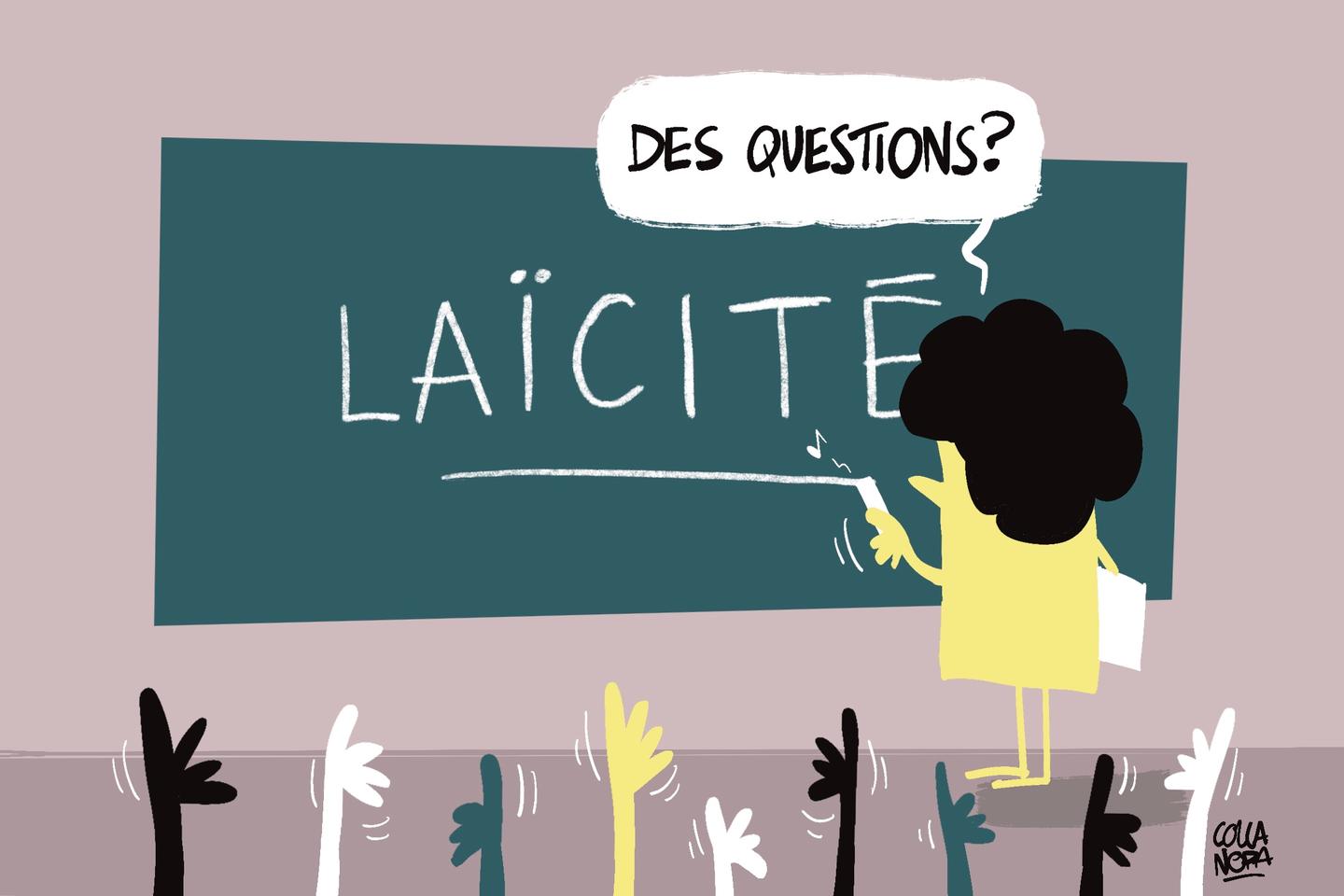
A teaches asks if students have any questions about laïcité, the French concept of secularism. COLCANOPA
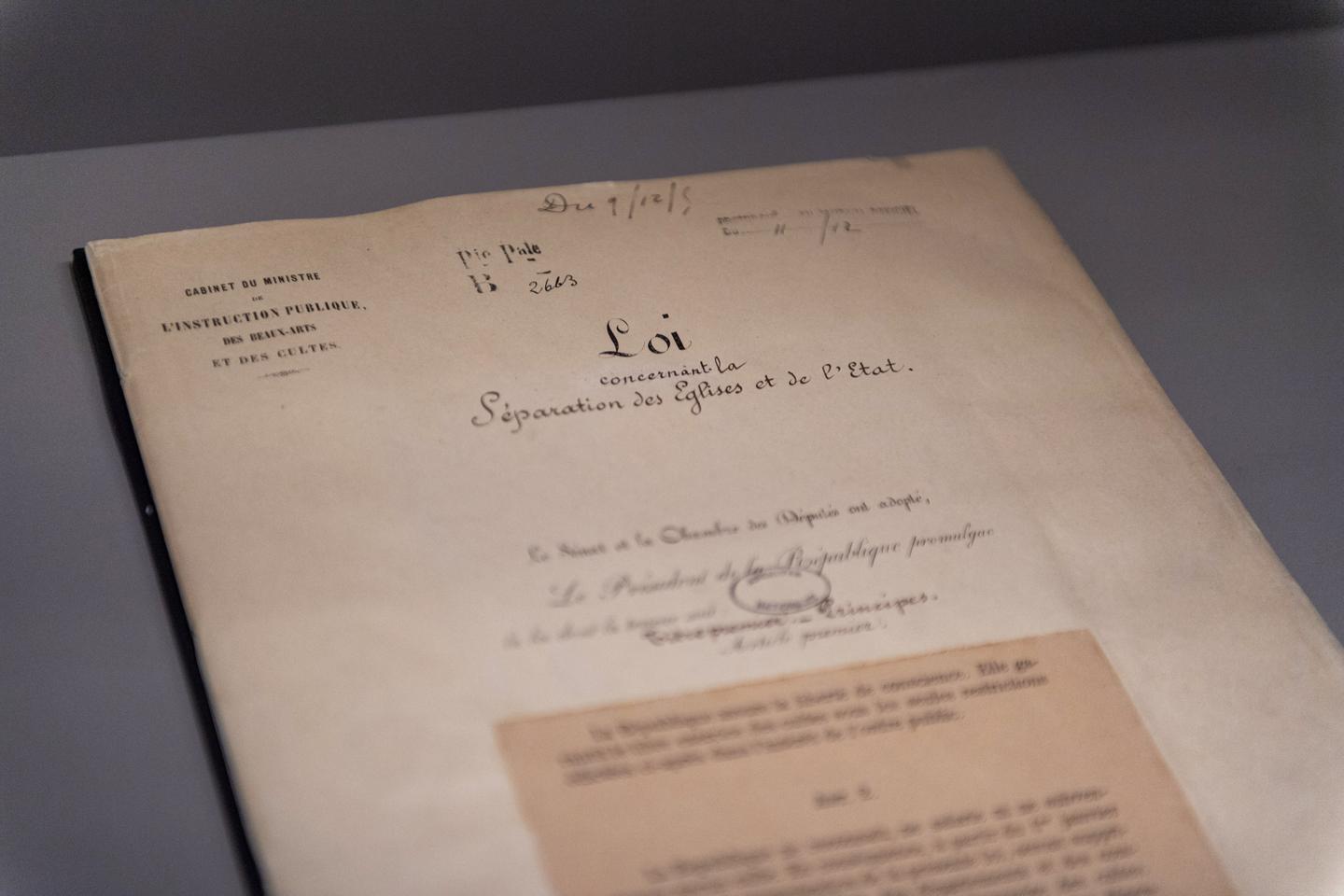
As French schools mark the 120th anniversary of the 1905 law separating churches and state, are 21st-century students less accepting of laïcité, the French concept of secularism, than earlier generations? Teachers across France often share a nuanced view: Today's youth possess a deeper knowledge of the concept, along with a greater willingness to challenge it.
A 2020 study by school research institution CNAM-Cnesco focusing on "assessing the civic attitudes of middle and high school students," demonstrated the solid understanding of French youth, which it described as the "European champions of laïcité." According to this study, which surveyed 16,000 students, "73% of ninth-grade students believe that the neutrality and independence of the state in relation to religions somewhat or completely support democracy."
The younger generation knows what it is talking about, because it has been trained to do so. Since the Creil headscarf affair in 1989, in which two Muslim girls were expelled from a middle school for refusing to remove their headscarves, every time public debate has flared up around laïcité, the state has responded by strengthening the curriculum. As a result, "in the core curriculum for history, geography, moral and civic education, the words 'laïcité' or 'laïc' appear more than 20 times," historian Ismaïl Ferhat said. "There is a real permeation. Today's youth are more aware of the principle of laïcité than previous generations."