A
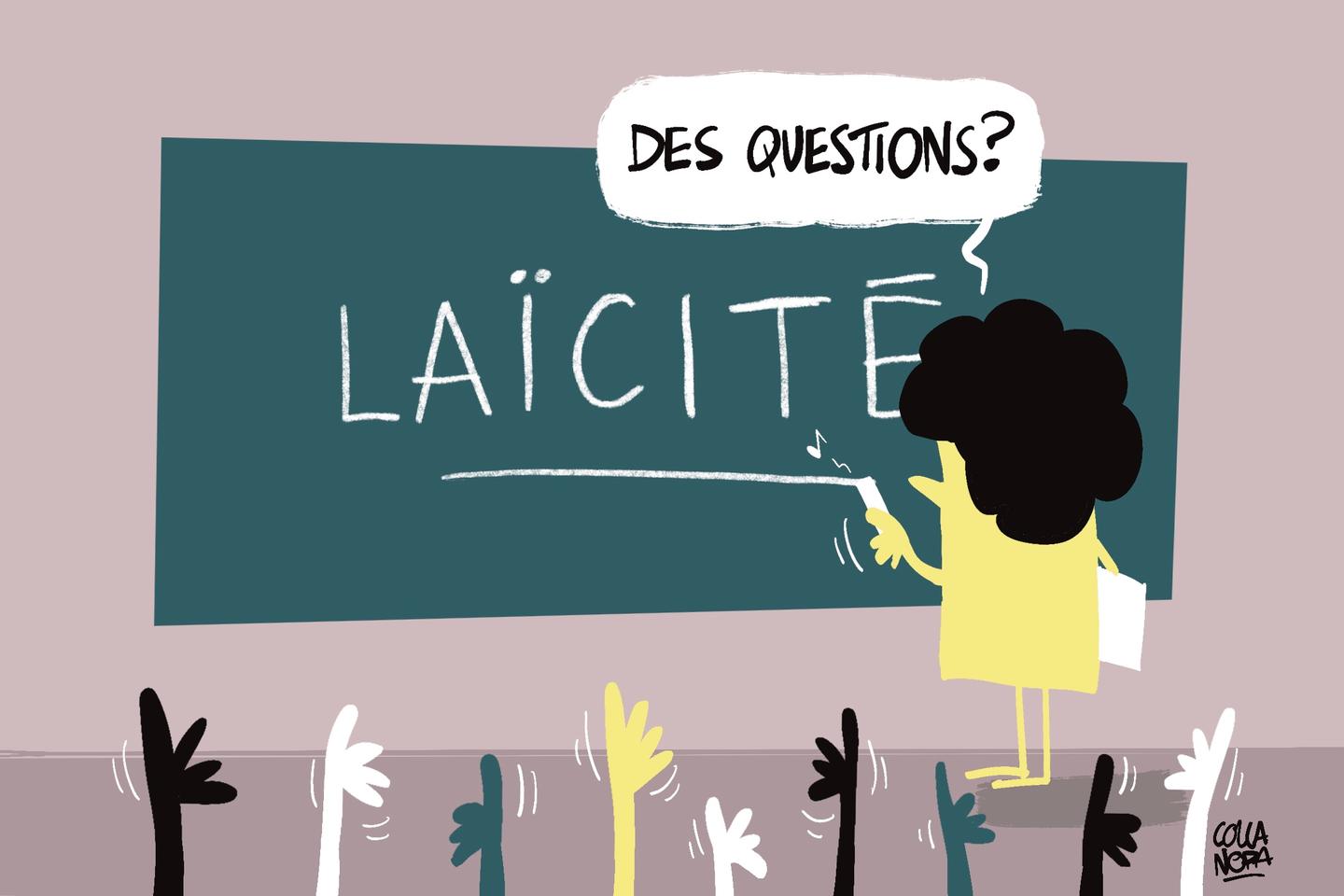
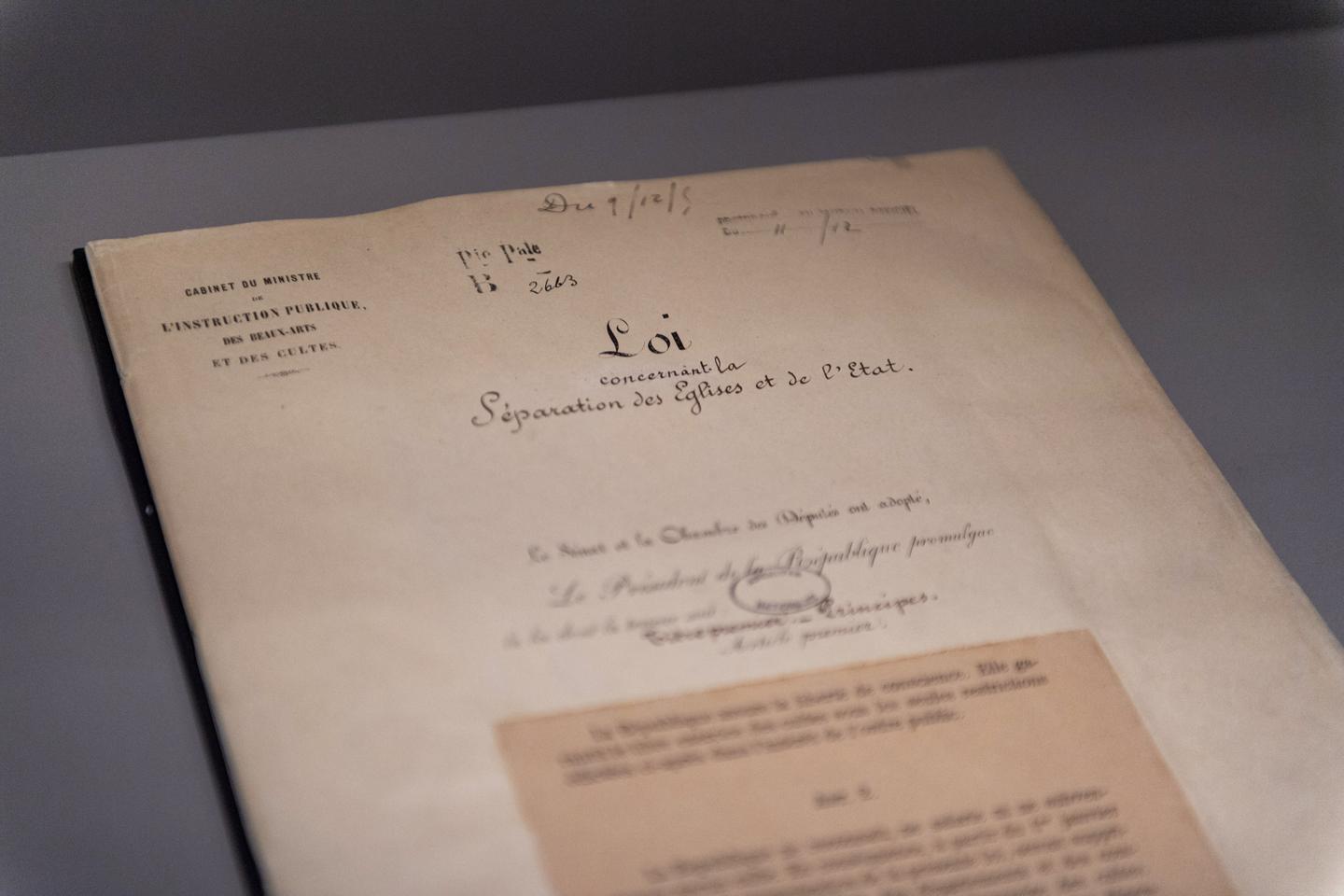
cornerstone of laïcité, the French conception of secularism (though the term itself does not appear in the text), the law "concerning the separation of churches and state," enacted on December 9, 1905, enshrined the Republic's consolidation in France. The principles it established – freedom of conscience, the freedom to exercise one's religious practices and the prohibition of state funding for religious groups – today seem self-evident, as the 120th anniversary of the law is being celebrated.
That was far from the case at the time it was adopted, when the Catholic Church actively opposed the Republic, which held anticlericalism as one of its ideological foundations. Did Pope Pius X not, at the time, describe the law as "profoundly insulting to God"? Yet, the liberal application of the legislation would not only resolve a historic dispute, one which dated back to the French Revolution, but also allow the French people, believers of all faiths and non-believers alike, to live in religious peace together. To commemorate this 1905 law in 2025 is, therefore, to celebrate a tremendous advance: The achievement of a fundamental freedom, the freedom to believe or not, and the civil peace that was made possible by its universal application to all citizens, without exception.