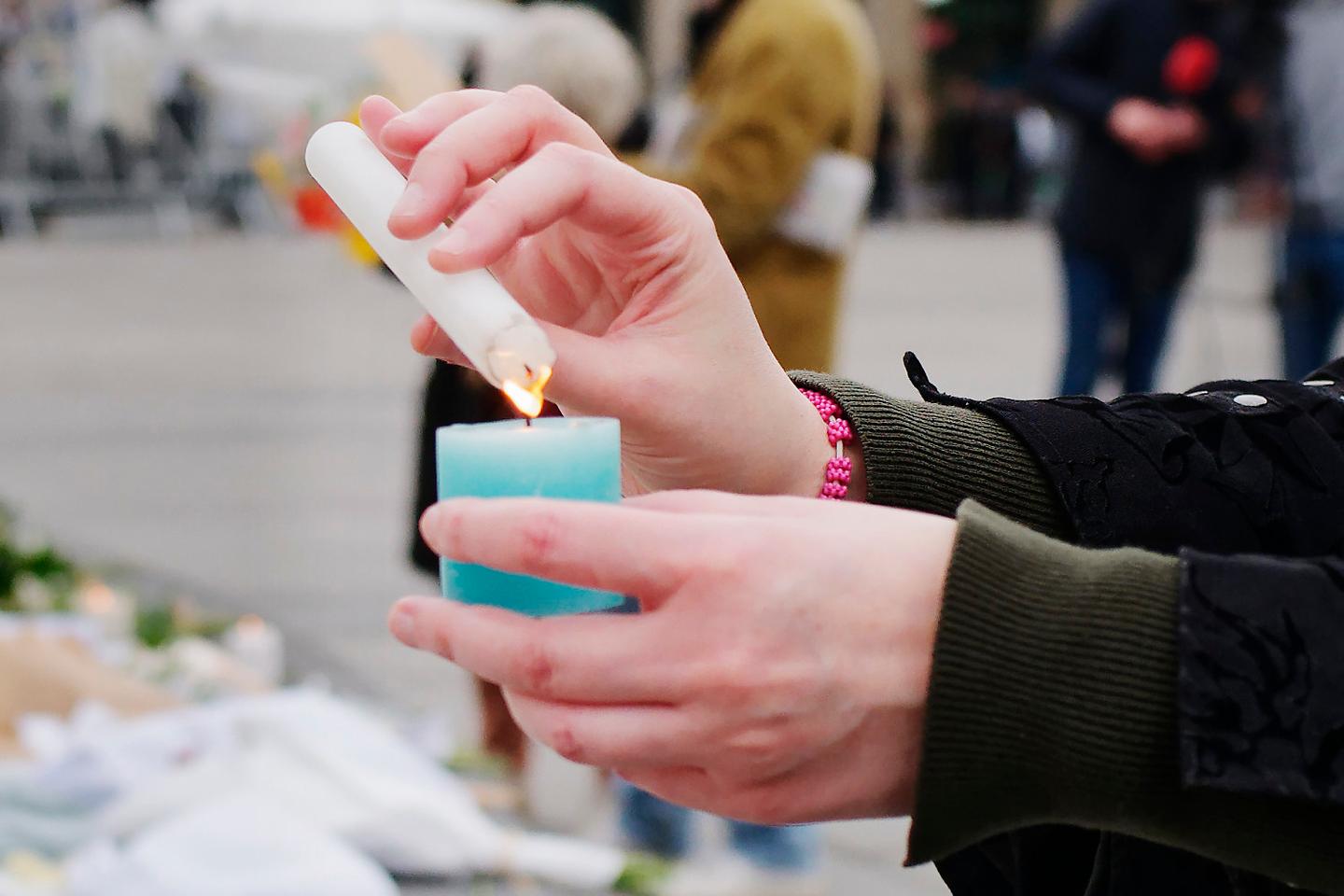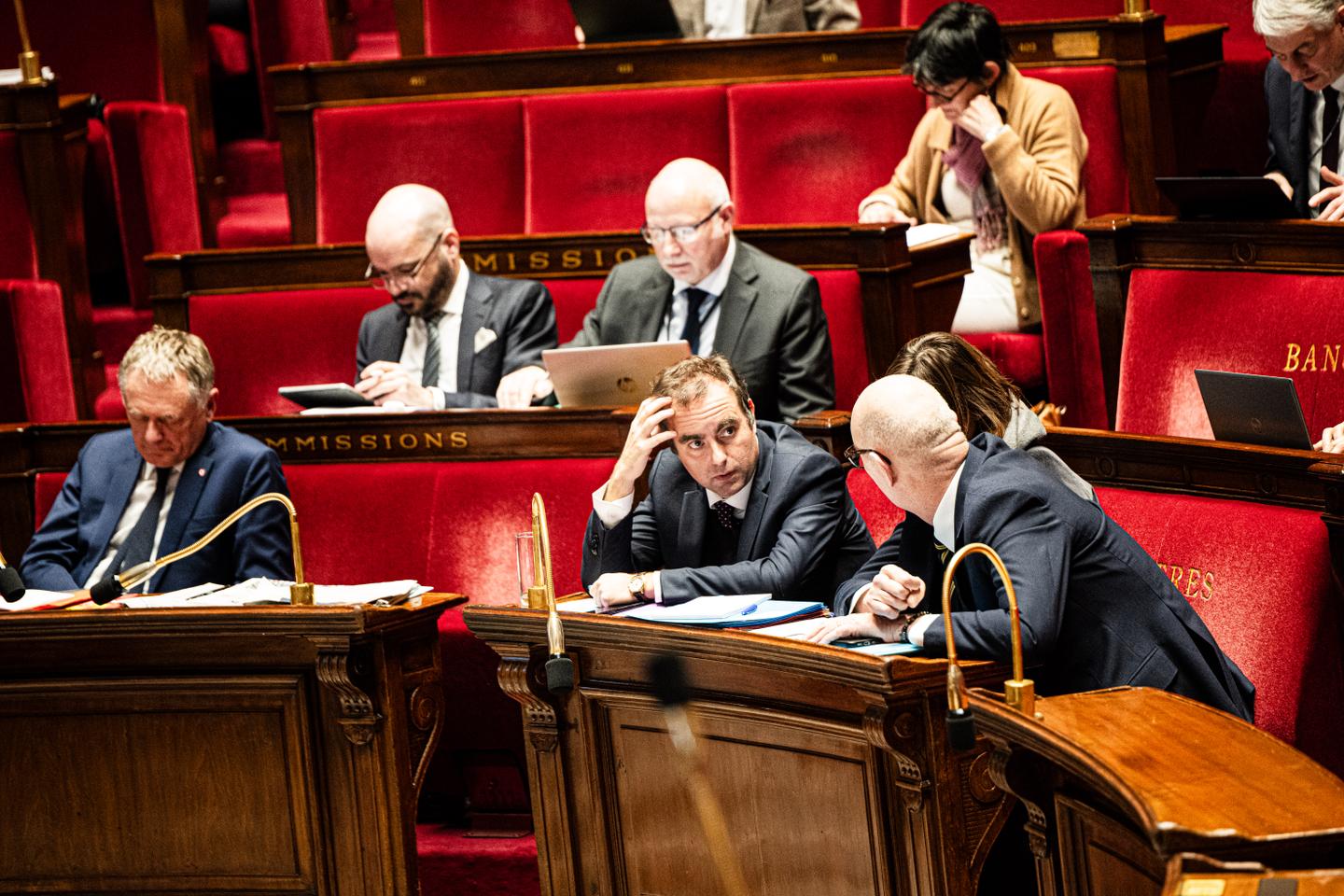
On November 16, 2015, the atmosphere inside the Congress Chamber of the Château de Versailles was heavy. Three days after the Islamist attacks in Paris and Saint-Denis (a suburb northeast of Paris), François Hollande urgently summoned lawmakers. In the vast amphitheater, the Socialist president (2012-2017) delivered a belligerent speech. "France is at war," he thundered before members of the Assemblée Nationale and senators. Confronted with the threat, Hollande outlined a sweeping array of security measures: a state of emergency, expulsion of foreigners, revocation of citizenship, intensified airstrikes in Syria. The left's shift toward security policy, which had begun earlier in Hollande's term with two anti-terrorism laws, was cemented that day.
The chamber stood and erupted in applause. "There isn't a day when I don't think about that tragedy," Manuel Valls, prime minister at the time (2014-2016), told Le Monde. "It remains a memory, a turning point, a trauma. With a determination never to forget the victims." The government's main concern was to contain the threat and maintain national unity. "The terrorists' goal was civil war," said Jérôme Guedj, a Socialist MP and, at the time, a party rebel.