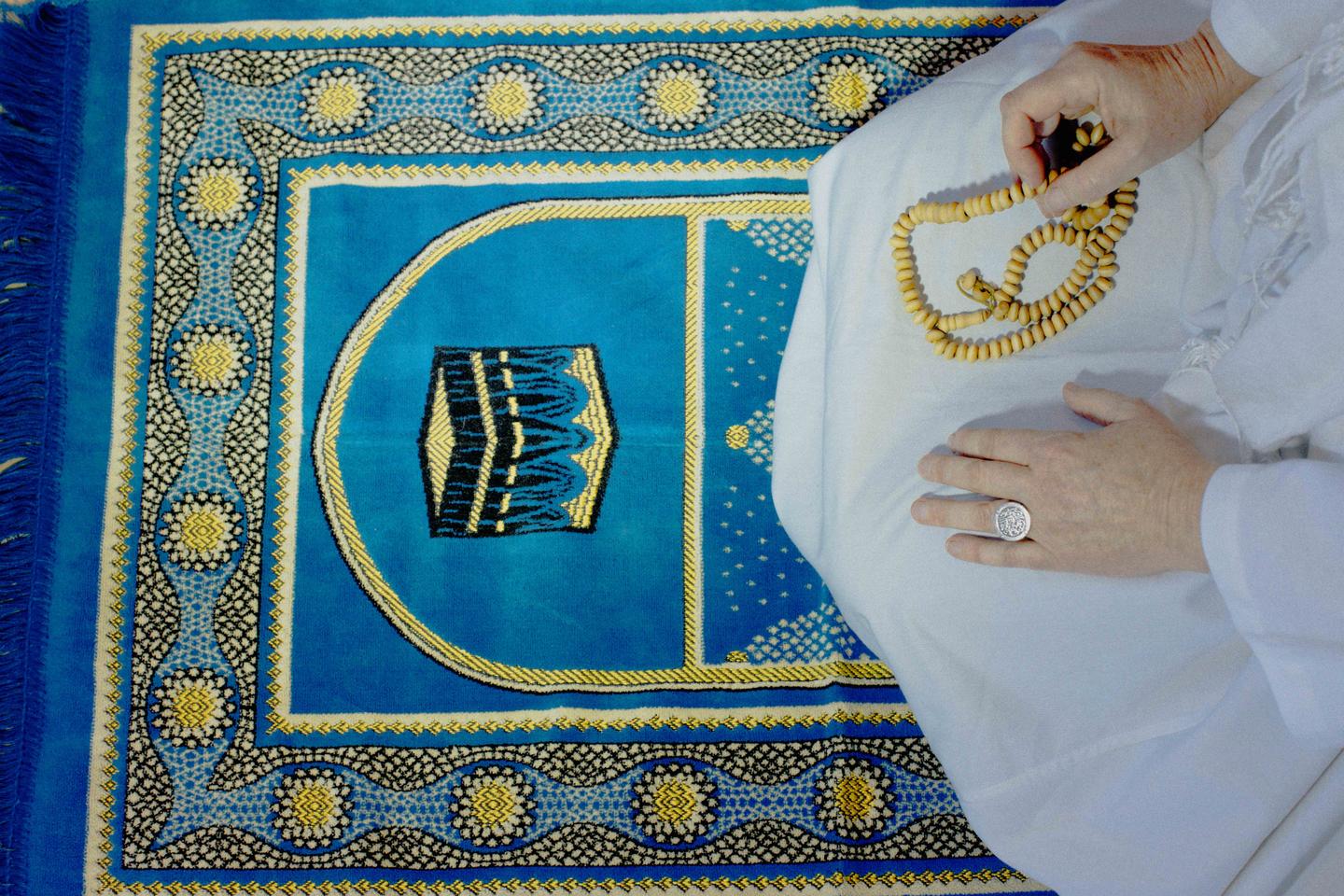
Ibtissem (she preferred not to give her last name), 18, inherited the Muslim faith from her family. For her, religion was more a matter of culture than spirituality. She had never taken much interest in religion in general or Islam in particular, she explained. "I was given a religious education, but I wasn't especially interested in the subject," said the student. Yet everything changed when she turned 15. "My high school was across from the Grand Mosque of Strasbourg. A friend, new to the city and unfamiliar with the area, insisted that we go. There, I discovered a whole new world," Ibtissem said.
She was drawn to a youth program with weekly meetings where anyone could ask questions and submit them to the imam. She attended once, then twice, and soon became an active member of the group, her practice growing ever more intense until she began to wear hijab. "There are differences between me and my parents," she readily admitted. "I'd say my practice is more orthodox than theirs."
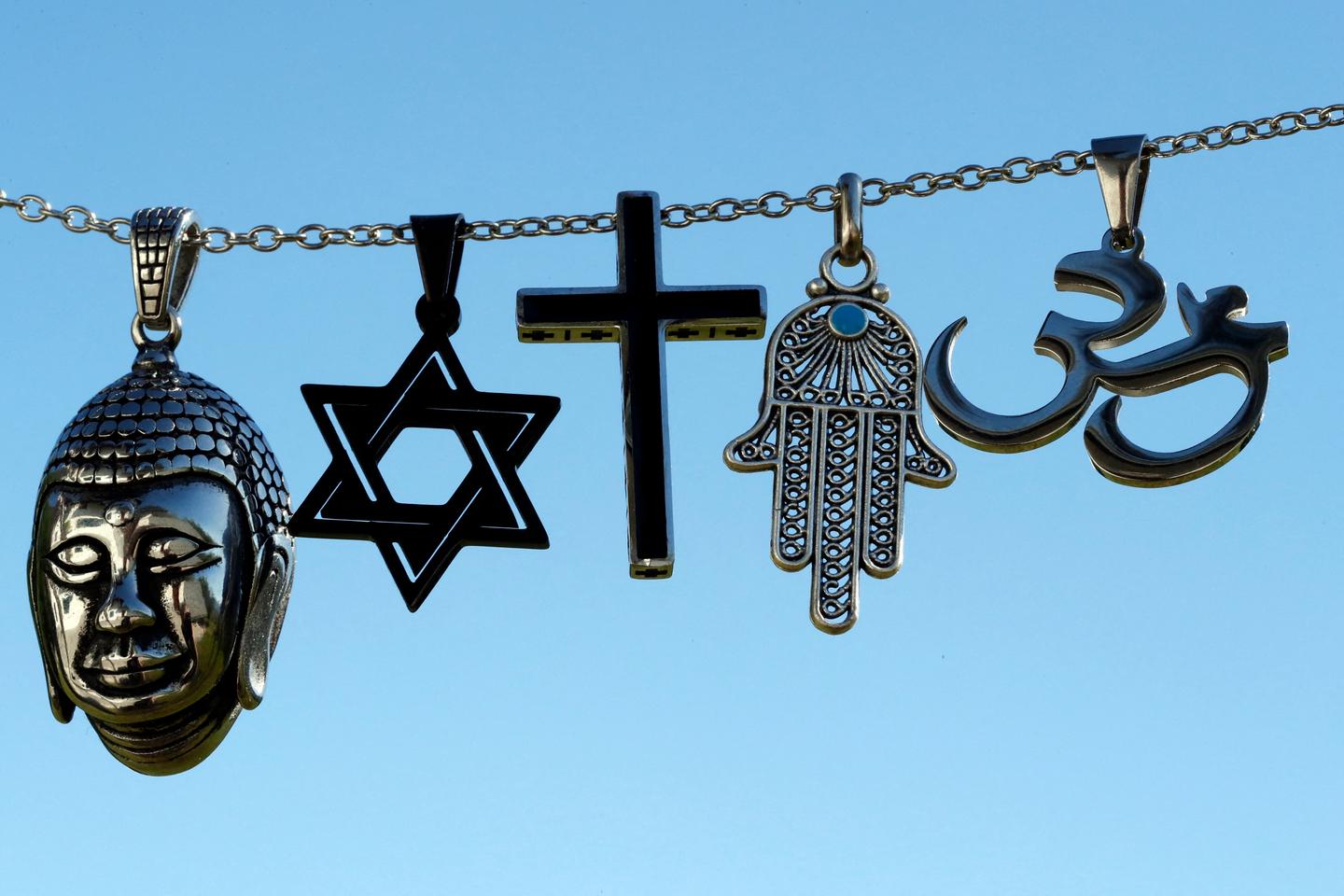
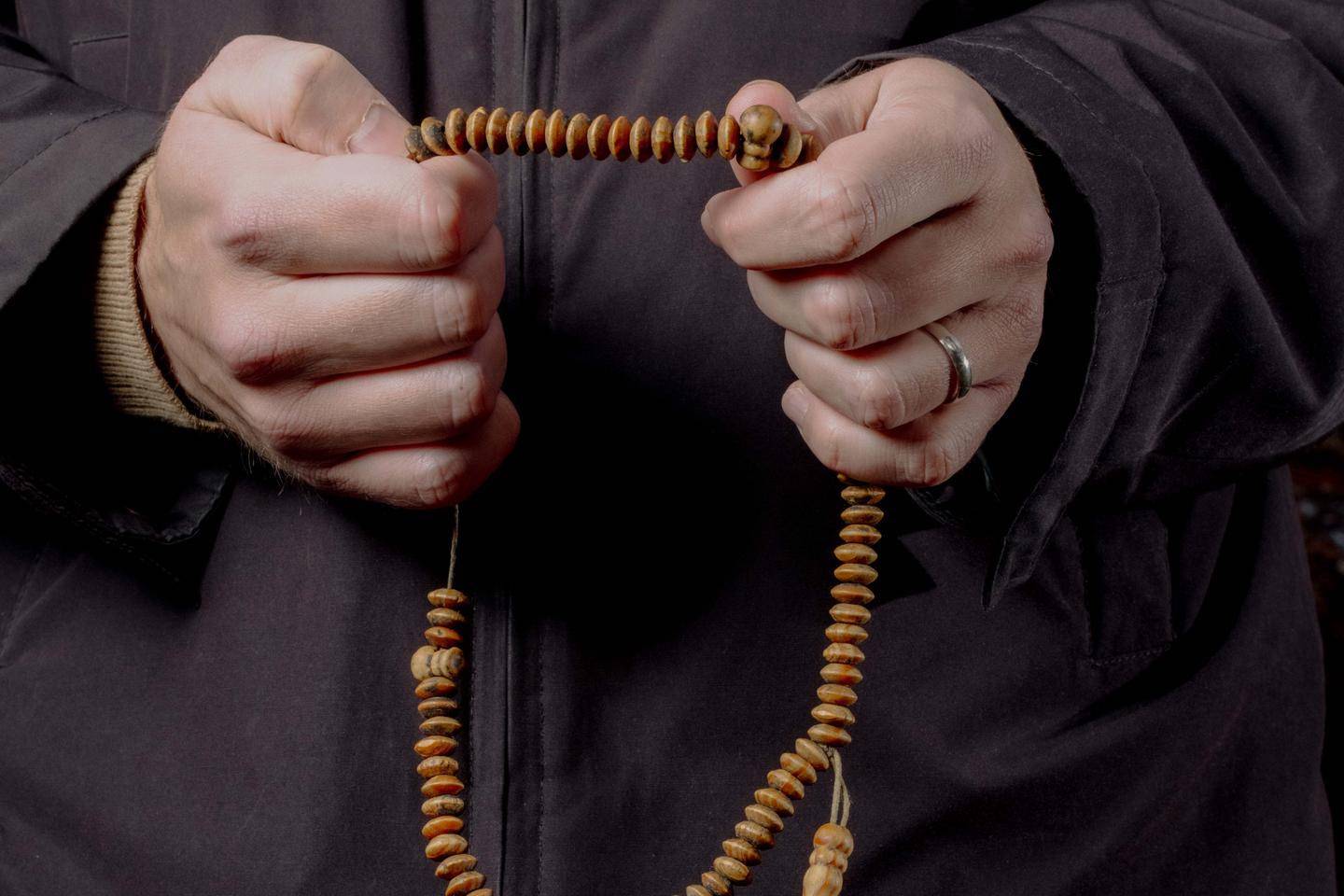
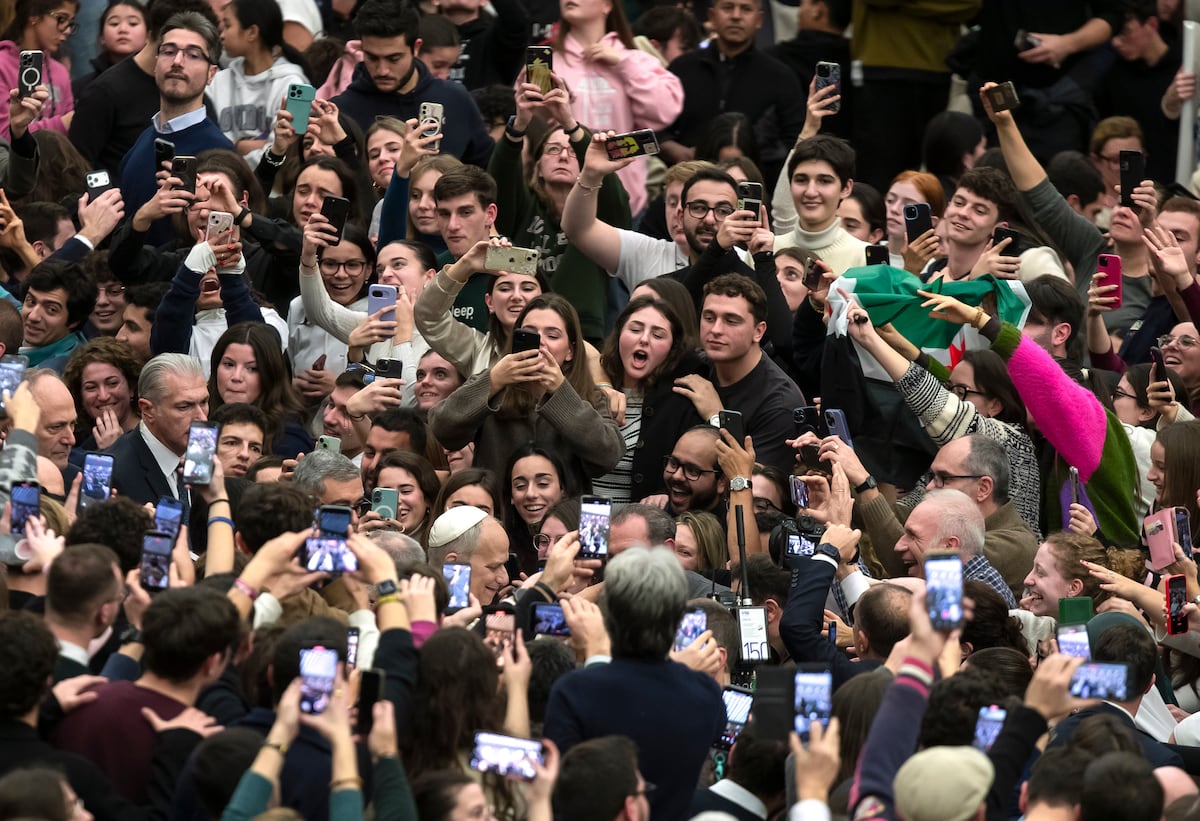
Ibtissem is far from alone. A segment of her generation is increasingly drawn to religion, often in a more radical or demonstrative way. Whether Muslim, Catholic or Jewish, young people have made a notable return to places of worship, openly displaying their beliefs and wearing religious symbols that older generations had set aside. In a society and a world that are trending toward secularization, some young people have chosen to go in the opposite direction, as sociologists and religious leaders have observed. This trend has prompted questions in a country especially attached to laïcité, the French conception of secularism.