T
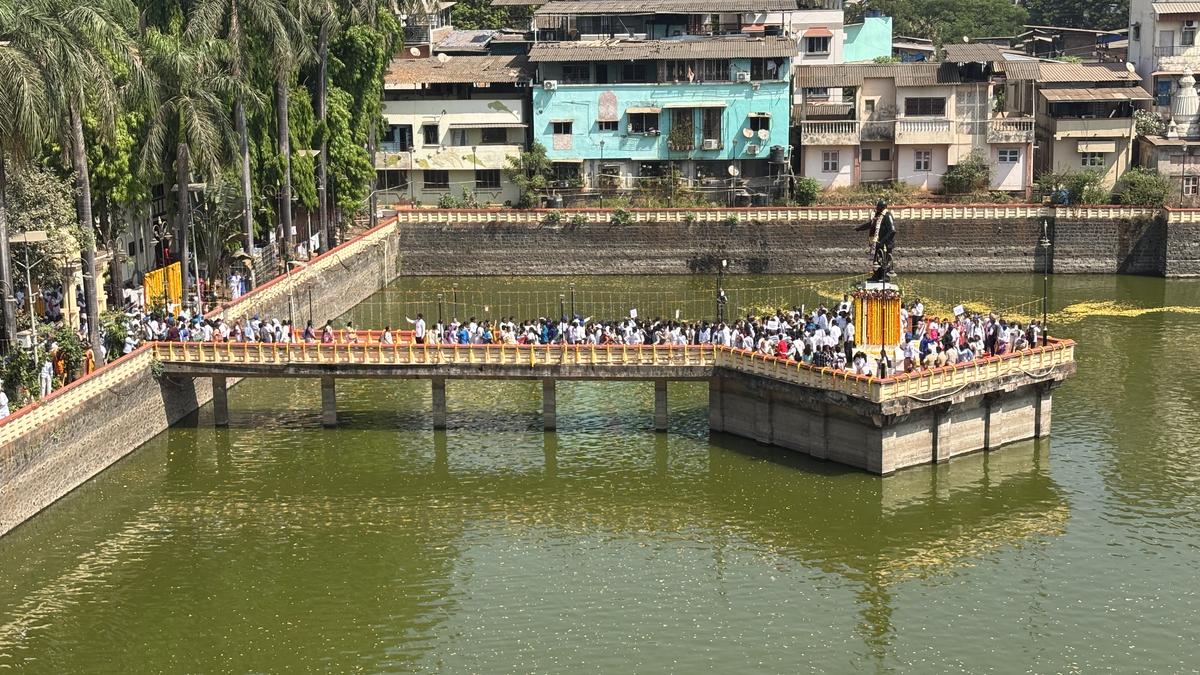
he Mahad tehsil, in pre-Independent India, was a part of the Bombay Province and a significant economic centre, providing labour to the industrial sector of the Bombay Presidency. In Mahad, imitation of caste norms led to widespread acceptance of caste discrimination, with high-caste individuals treating Dalits with contempt. Untouchability, a result of casteism, represents systemic social exclusion that reinforces the hierarchical nature of the caste system. In Mahad, the exclusion of Dalits was evident in their denial of access to drinking water from public tanks, such as the Chavadar Tank.
Mahad was a key site for one of India’s first rights movements, which paved the way for human rights discourse and its lessons absorbed in constitutional ethics.
Understanding the legacy
The movement for human rights and water democracy started with a resolution, passed in the Bombay Legislative Council in August 1923, initiated by S. K. Bole. It stated, “The council recommends that the untouchable classes be allowed to use all public watering places in dharamshalas, which are built and maintained out of public funds administered by parties appointed by the government or created by statute, as well as public schools, courts, offices, and dispensaries”.