T
hink of a child in school. He is thirsty. There is water in the classroom. But he cannot drink it. Not because the water is dirty. Not because there is a rule against drinking in class. He cannot drink because the peon who is supposed to pour the water into his cupped hands, from a height, so that the vessel is not polluted by his touch, happens to be absent that day.
No peon, no water
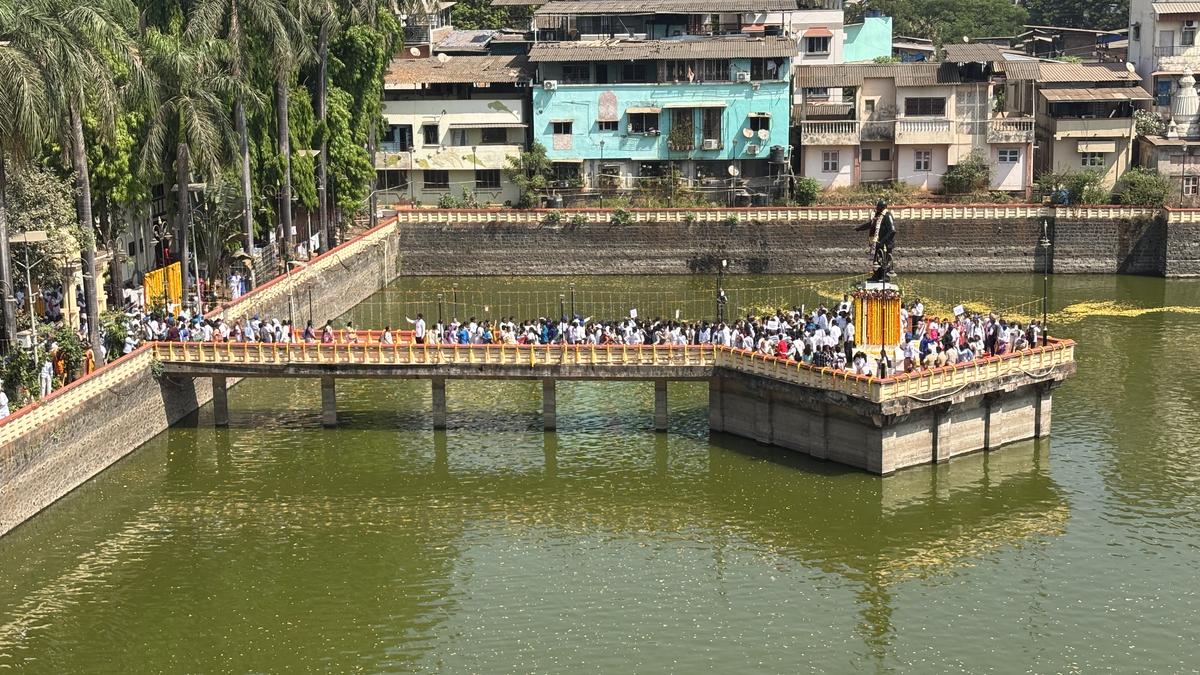
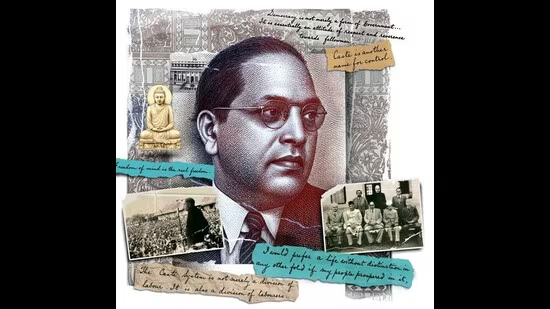
That was the rule that governed the childhood of Bhimrao Ramji Ambedkar. He wrote about it with quiet, devastating precision in his autobiographical essay Waiting for a Visa, and in the fragment known as No Peon, No Water. He and his siblings, travelling to meet their father, arrived at a railway station parched with thirst. No one would give them water. They were Mahars. They were “untouchable.” The public tap was not for them.
Let that image stay with you for a moment: small children, thirsty, surrounded by water, unable to drink. Not in a desert, but in a school. Not in a time of famine, but in a time of plenty.