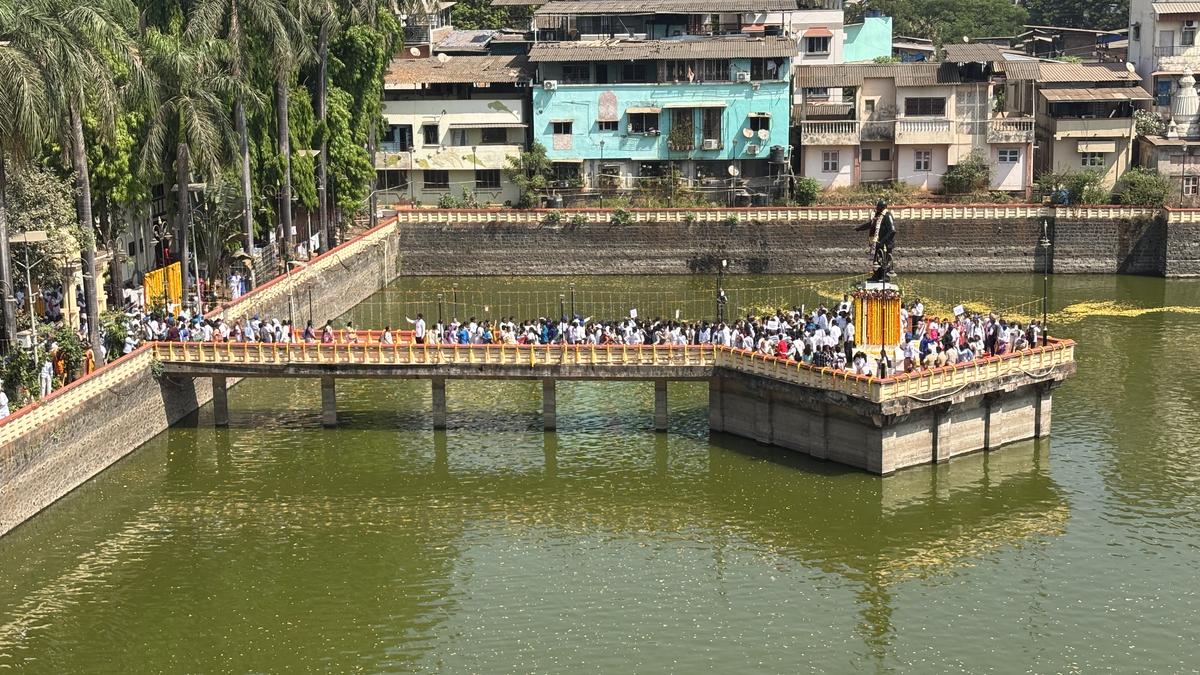
Shobha Dhone, a farm labourer from Marathwada’s Latur, travelled over 450 km to reach Mahad on Friday (March 20, 2026). On the steps of Chavdar Tale, she broke into a song in Marathi to recall how Dalits were once denied water from the public tank. “Cattle were allowed to drink water from the waterbody, but not the Dalits. He (Dr. Babasaheb Ambedkar) opened the doors to Chavdar Tale (lake) for us,” the song in Marathi meant.
Septuagenarian Taibai Dhonde from Nanded cut her off, saying, “Our people were suffering without water. He fought for the entire society, not for any particular community.”
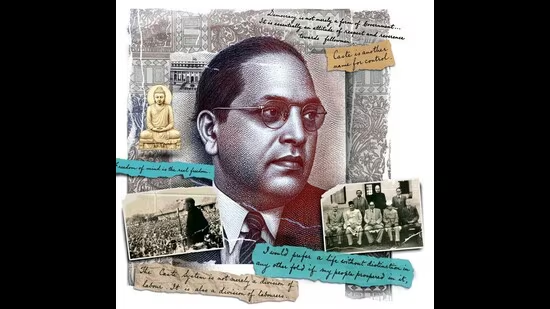
Ninety-nine years ago, on March 20, 1927, Ambedkar led thousands to drink water from the public tank, asserting the right of the then “untouchable” communities to use public facilities. This movement occurred three years before the Salt Satyagraha or Dandi march.
Before salt, there was water: why Mahad Satyagraha deserves its centenary
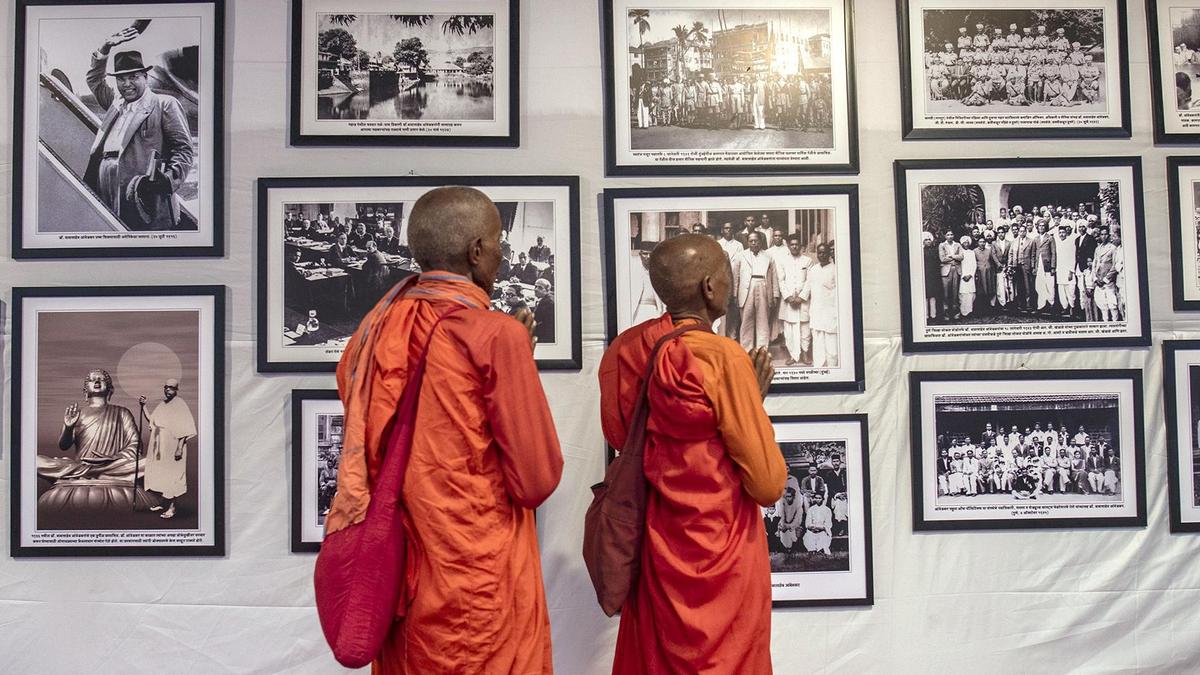
On Friday (March 20, 2026), the beginning of the centenary year of the historic Mahad Satyagraha, the small town in coastal Maharashtra’s Raigad resembled a pilgrimage site. Dressed in white, scores of families walked in as temporary roadside stalls sold statues of Gautam Buddha, Dr Babasaheb Ambedkar, jewellery, books and memorabilia.