In Bangladesh, over a million people in the world’s largest refugee camp depend on aid – and cuts mean new arrivals are not even given shelter
T
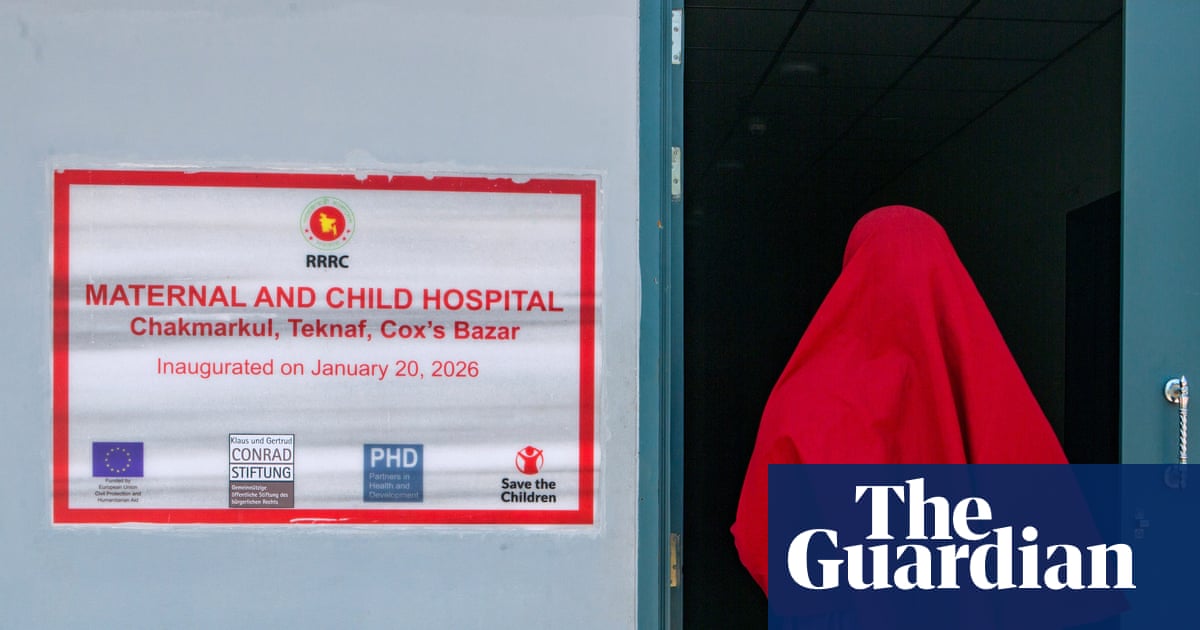
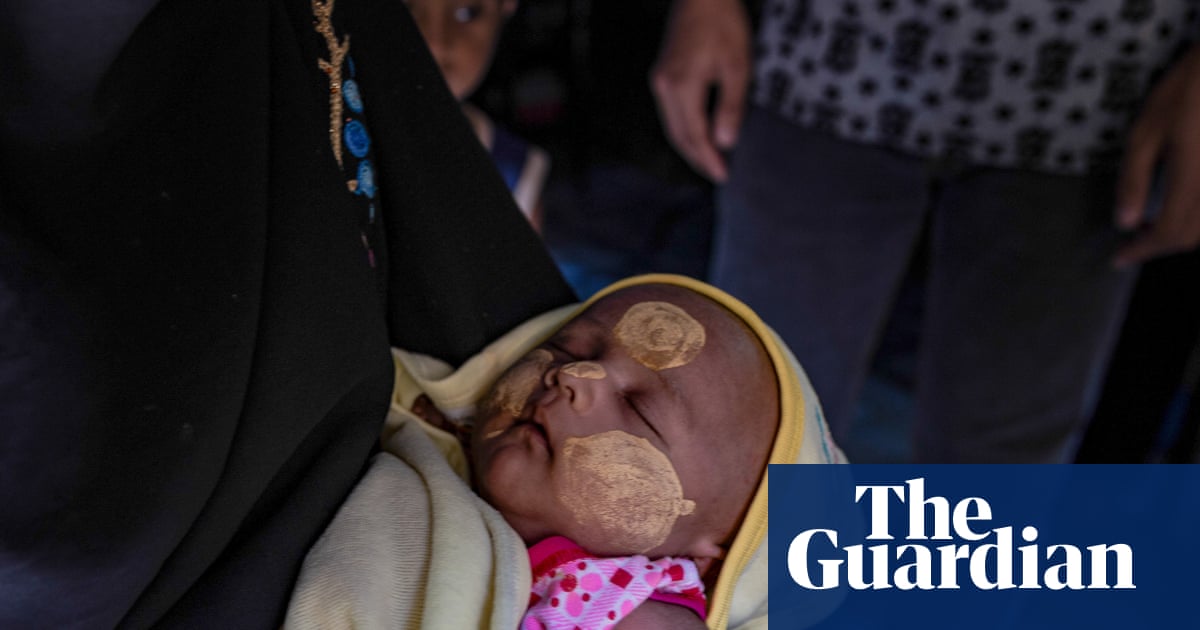
he light of a single lightbulb powered by a backup generator lasts just long enough for Noor and Sowkat to see the faces of their newborn babies for the first time. The two children were born on the same night on a crumbling foam mattress, its corners ripped to shreds by the thousands of women who have gone into labour here in Camp 22’s makeshift delivery room.
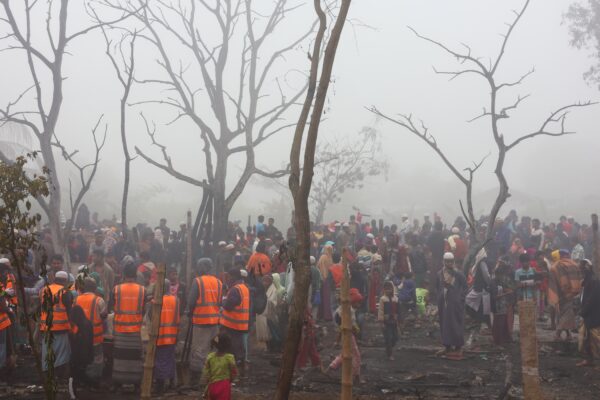
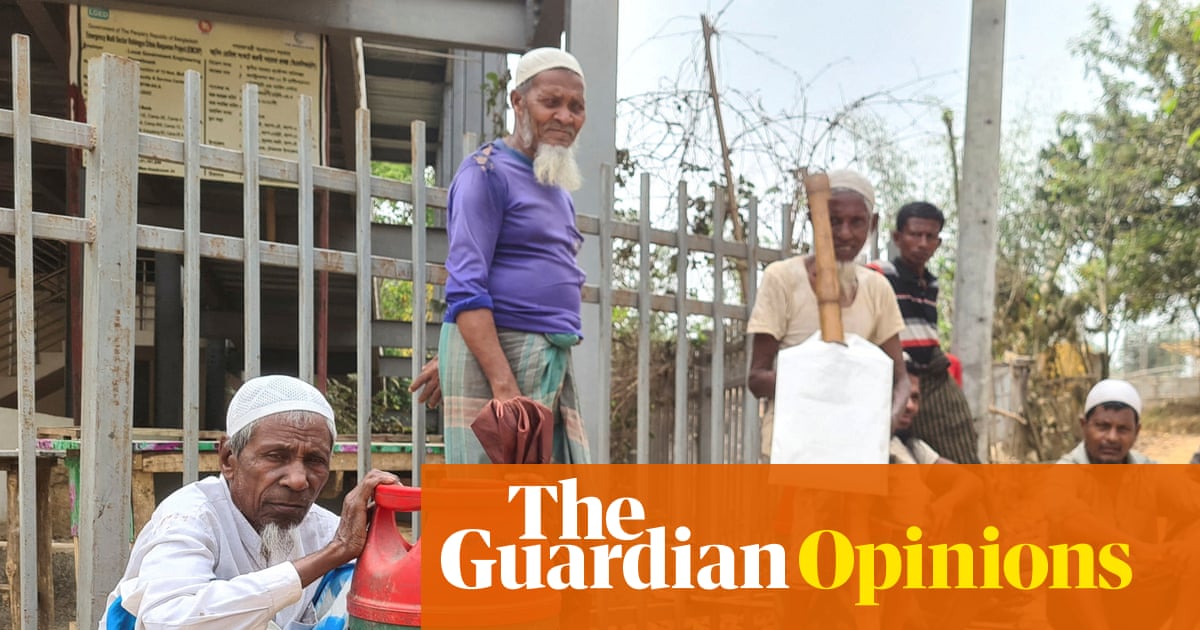
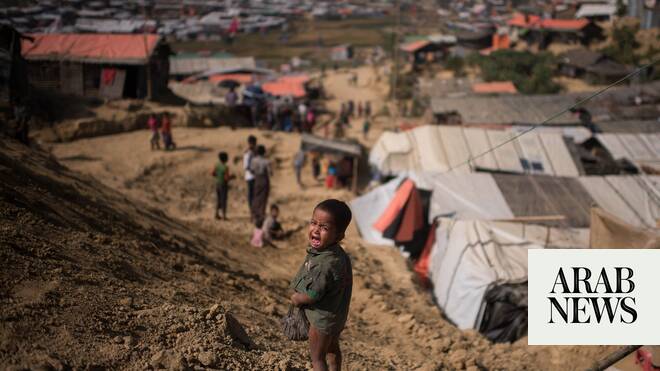
The newborns have just become the youngest residents of the world’s largest refugee camp, in Cox’s Bazar, Bangladesh, which is struggling to operate in the face of a 63% deficit in humanitarian aid funding.
In the cramped, windowless room next door, Rajuma, 30, waits nervously for the results of a prenatal test as machines beep in and out of action around her. Rajuma is eight months pregnant and knows that once her baby is born she will need to skip meals in order to feed her family; there has been a series of ration cuts this year.