https://arab.news/85x3u
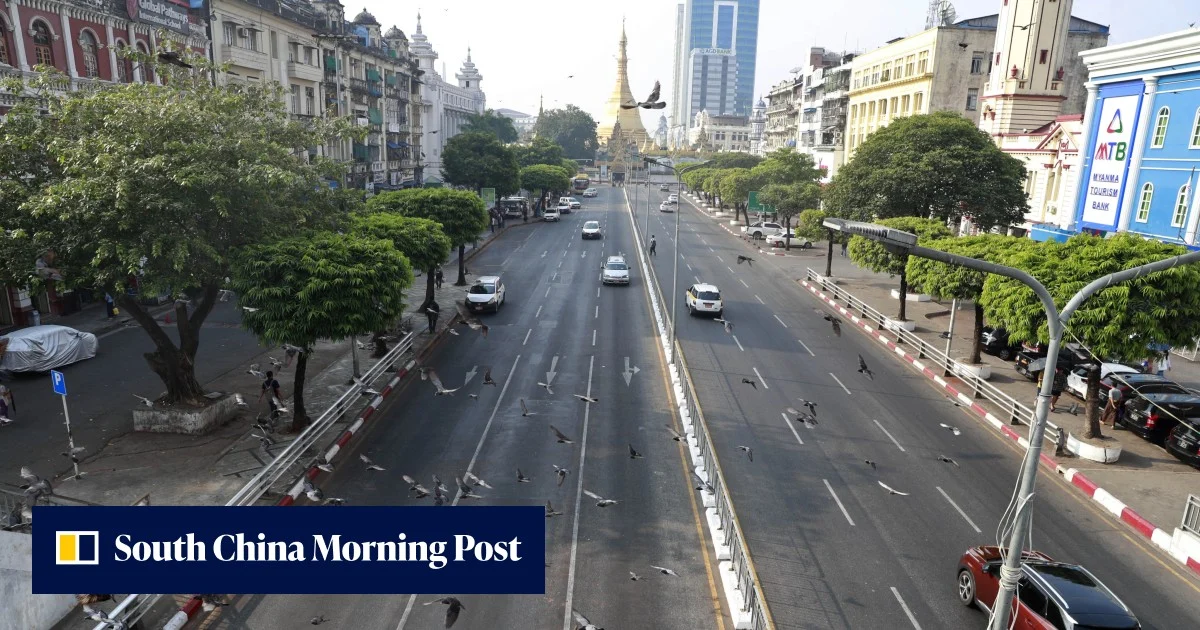
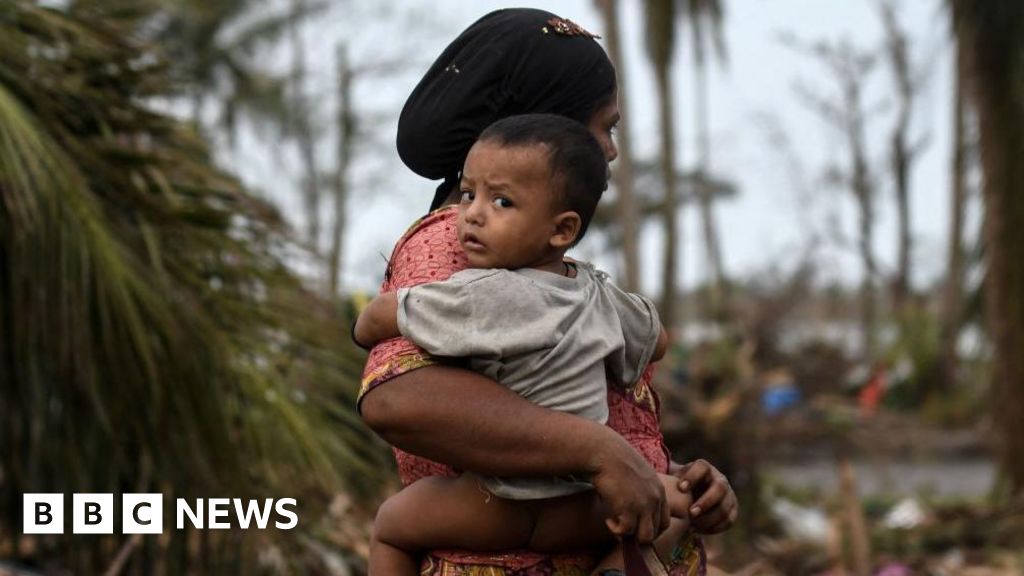
Myanmar’s economy is falling apart at a pace that even seasoned observers did not expect. The collapse is no longer gradual. It is a freefall driven by currency implosion, war economy dynamics, fractured supply chains and the junta’s inability to administer even the basics of statehood. For the Rohingya trapped in Rakhine State, this unfolding collapse is not an abstract macroeconomic story. It is a direct threat to their survival.
New market analysis reports show sharp rises in food prices across Myanmar, chronic shortages of staples in conflict areas and a breakdown in transport routes into northern Rakhine. These developments are converging into the makings of a humanitarian disaster. The Rohingya, already weakened by years of displacement, forced labor, restricted movement and systemic discrimination, will feel the impact first and most severely. Yet the international community and the region remain dangerously distracted.
The roots of Myanmar’s economic collapse are simple. The military cannot govern and cannot win its war against the resistance. The kyat has plunged to record lows relative to the dollar, foreign currency reserves are almost exhausted and the informal economy has overtaken the formal one. Trade routes through Yangon and Mandalay have fractured due to taxation, extortion and insecurity. The junta’s attempt to print money to cover its widening fiscal hole has only fueled inflation. The state’s ability to purchase imports, including food and fuel, has disintegrated.