https://arab.news/9ppet
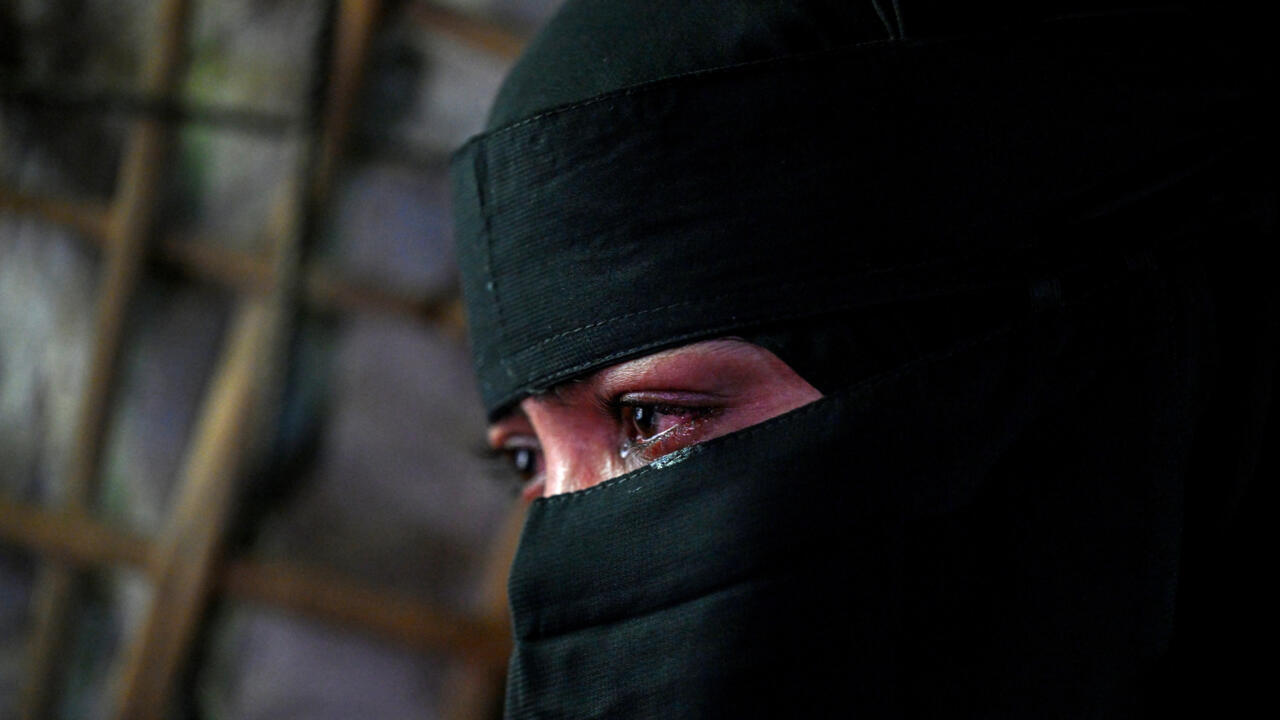
The world’s most persecuted minority is on the move again. Thousands of Rohingya refugees have begun taking to the seas in rickety boats, desperate to escape hunger, insecurity, and hopelessness in the camps of Bangladesh and the conflict zones of Myanmar’s Rakhine State. Many will not survive the journey. Those who do will face detention, exploitation, or deportation across Southeast Asia.
The Rohingya crisis, long viewed as a domestic issue for Myanmar or a humanitarian burden for Bangladesh, has now become a regional security emergency. It is reshaping migration routes, fueling organized crime, and threatening political stability from the Bay of Bengal to the Straits of Malacca.
This was entirely predictable and entirely preventable
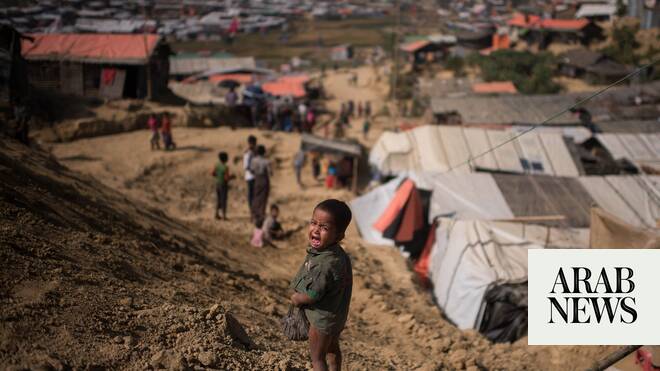
For years, Bangladesh has shouldered an impossible responsibility. It hosts nearly 1 million Rohingya, the vast majority living in the sprawling, overcrowded camps of Cox’s Bazar. When the first refugees arrived in 2017, Bangladesh was praised for its generosity. But eight years on, international aid has dried up, and global attention has shifted to other crises. Food rations have been cut by nearly half. Schools and health services are crumbling. Families are now trapped in limbo, stateless and forgotten.